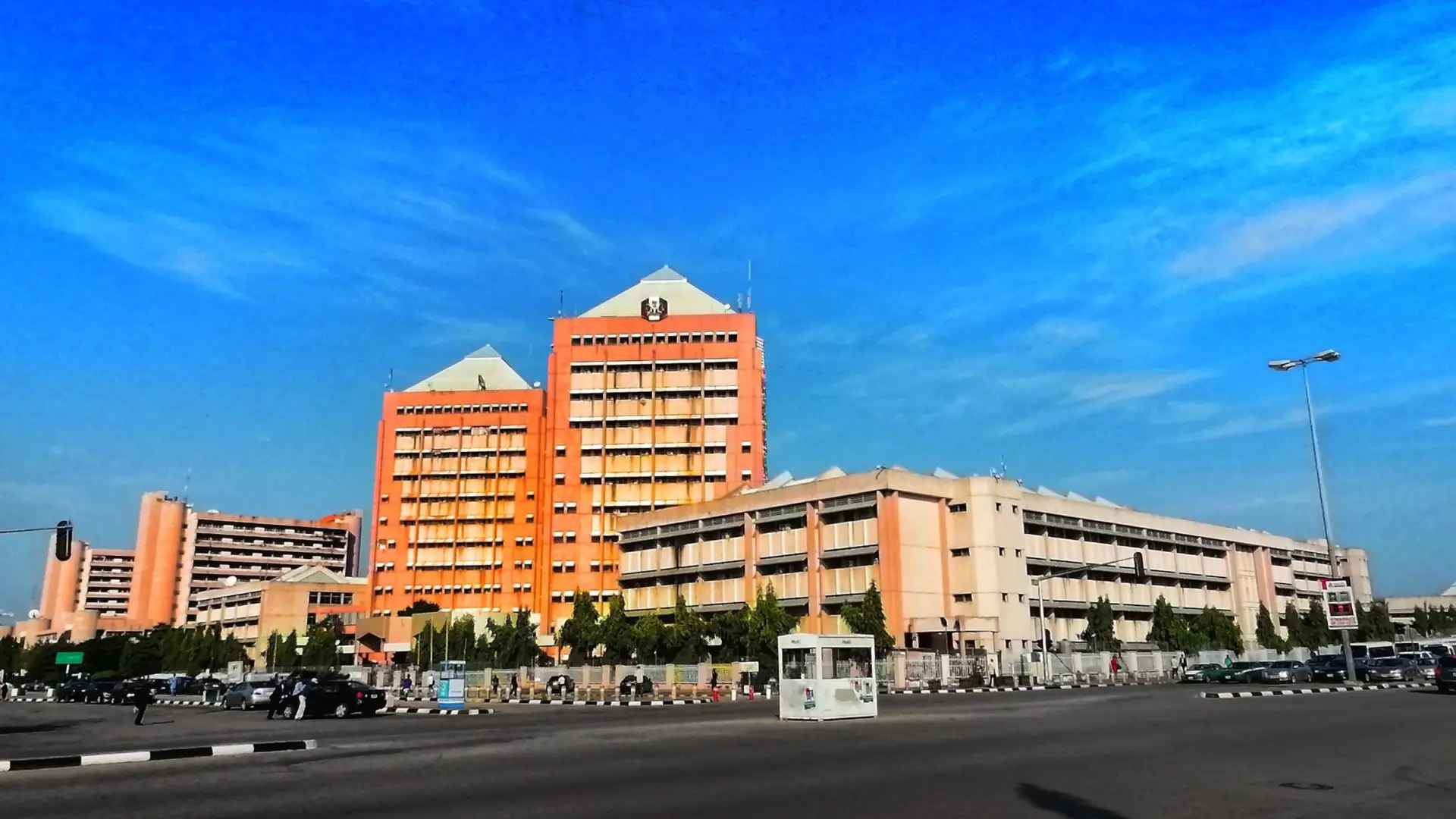
The National Assembly passed the 2017 Appropriation Bill on 11 May 2017, after months of deliberation. Passage offered a test of fiscal governance. The question was whether spending commitments could become completed projects and public services.
The 2017 budget carried the title “Budget of Recovery”, but its architecture did not say clearly what the recovery was from or towards. Nigeria was seeking to emerge from recession. The contraction was driven by collapsed oil revenues, a managed exchange rate policy and import compression, and a federal spending freeze linked to the budget delays of the preceding year. The recovery being signalled was a recovery of GDP growth. The structural vulnerabilities behind the contraction (heavy dependence on oil for government revenue, weak non-oil tax administration, infrastructure deficits that suppress private sector productivity) had not been addressed. They had been deferred.
This is not a criticism unique to the Buhari administration’s 2017 submission. It is an observation about a pattern in Nigerian fiscal governance that predates any particular administration and operates across party lines and electoral cycles. Nigerian budgets function less as instruments of economic transformation than as annual rituals of institutional performance. They signal intent and distribute political commitments across ministries without the institutional infrastructure needed to convert allocated naira into delivered outcomes. Implementation rates, the share of the capital budget actually disbursed and deployed in a given fiscal year, tell the real story. A budget allocated on paper is not a budget delivered on the ground.
A budget allocated on paper is not a budget delivered on the ground.
The five-month delay in passing the 2017 budget was not a procedural anomaly. It was a symptom of sustained friction between the legislature and the executive, and that friction has real economic costs. When the budget is delayed, capital project expenditure stalls. Contractors who depend on government procurement for revenue suspend operations. State governments, whose federally allocated funds shape their own spending capacity, operate under prolonged uncertainty. Budget delay in Nigeria is not a technicality. It is an economic event.
The deeper question the 2017 budget raised, as earlier Nigerian budgets had, is whether the architecture of Nigerian fiscal governance can perform the function a national budget is supposed to perform. A budget that allocates significant capital expenditure to infrastructure is only meaningful if procurement systems are efficient enough to turn allocations into contracts, contracts into construction, and construction into operational assets within the fiscal year. A budget that sets revenue targets on oil production assumptions is only credible if the NNPC’s operational and reporting systems are transparent enough to verify those assumptions. A budget predicated on non-oil revenue growth is only serious if the FIRS has the capacity, autonomy and enforcement tools to collect what the law requires.
The budget document reflects weaknesses in the institutions responsible for carrying it out. Those institutions (the procurement agencies, the project monitoring offices, the revenue services, the ministerial internal audit functions) are where fiscal governance either delivers or fails. Reforming the budget document without reforming those institutions is a performance of change, not change itself. Until that distinction is confronted directly, Nigeria’s annual appropriation cycle will keep producing budgets whose allocations do not become completed projects.



