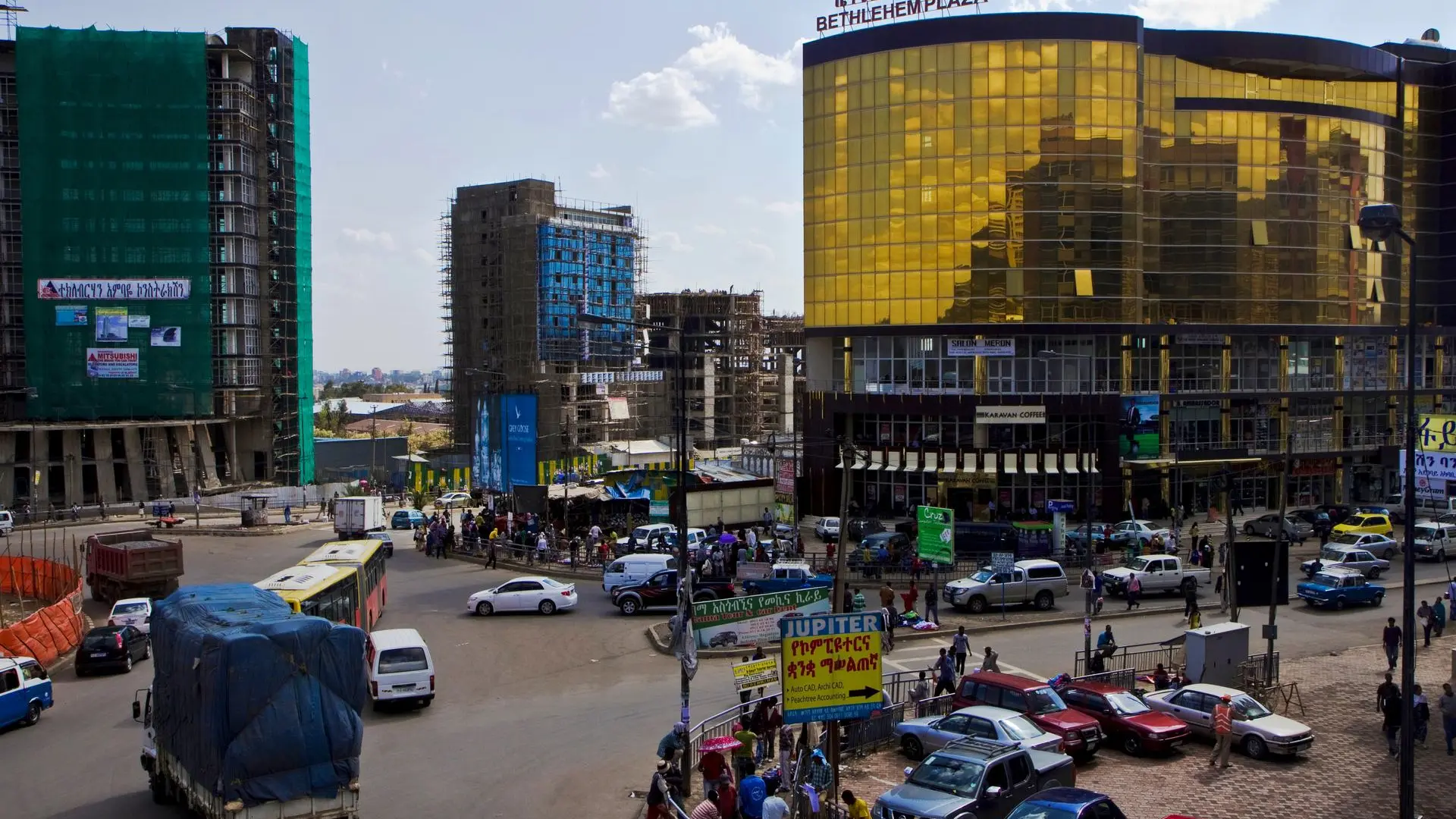
Ethiopia’s economic expansion has made it an important case for African policymakers. Investment in agriculture, infrastructure and services has helped change perceptions of a country long associated internationally with poverty and famine. The useful lessons concern how that growth has been produced and whether its benefits can be sustained.
Comparisons with neighbouring Kenya attract attention, but the size of an economy is only one measure of performance. Exchange-rate movements and statistical revisions can change a ranking without producing an equivalent change in people’s living standards.
Growth, household income and the distribution of resources therefore need to be examined separately. A relatively low income-inequality measure does not, on its own, establish that opportunities are fairly distributed or that poverty has been resolved.
Public investment has shaped development
The Ethiopian state has played a substantial role in productive activity and infrastructure. Agriculture remains central to livelihoods, while transport and other services influence the ability of producers to reach markets.
Ethiopian Airlines and investment in rail connections illustrate the economic importance of services and connectivity. Their contribution needs to be assessed through operating performance, costs and the activity they support, rather than treated as proof that every state-led project will succeed.
Agricultural development also requires more than expanding output. Farmers need dependable markets, suitable infrastructure and protection against severe shocks. Coffee’s importance to export earnings creates opportunities while exposing producers and public finances to changes in demand and prices.
State intervention can address gaps that private investors are unwilling or unable to fill. It can also create financial obligations and weaken competition where oversight is poor. Its effectiveness depends on institutions and results, not ownership alone.
Reform must address existing constraints
Ethiopia’s movement towards greater private participation should not be described as a privatisation programme beginning under the socialist government of the 1980s. The transition towards market reforms followed the change of government in 1991, with further reform plans developing over subsequent decades.
The IMF’s December 2019 account of the proposed reform programme identified foreign-exchange shortages, the management of state-owned enterprises and the conditions for private investment among the priorities. These are constraints to address alongside the record of rapid growth.
Selling an asset does not automatically improve its performance. Competition, regulation and the terms of a transaction affect whether reform benefits customers, employees and the public budget.
Foreign investment can bring finance, skills and access to markets. Low labour costs and incentives may attract an initial commitment, but lasting development also requires productive work, useful training and links with domestic businesses.
Growth must support better livelihoods
A large young population can expand an economy’s productive capacity where people have access to education, health services and employment. Without those conditions, population growth can intensify pressure on households and public services.
Ethiopia’s experience offers reasons to study the relationship between public investment and private enterprise. It does not provide a model that can simply be copied elsewhere. Countries differ in their institutions, resources and access to finance.
The priority is to identify which investments improve productivity, how their obligations are managed and who benefits from the resulting growth. Ethiopia’s achievements make those questions more important, rather than settle them.



