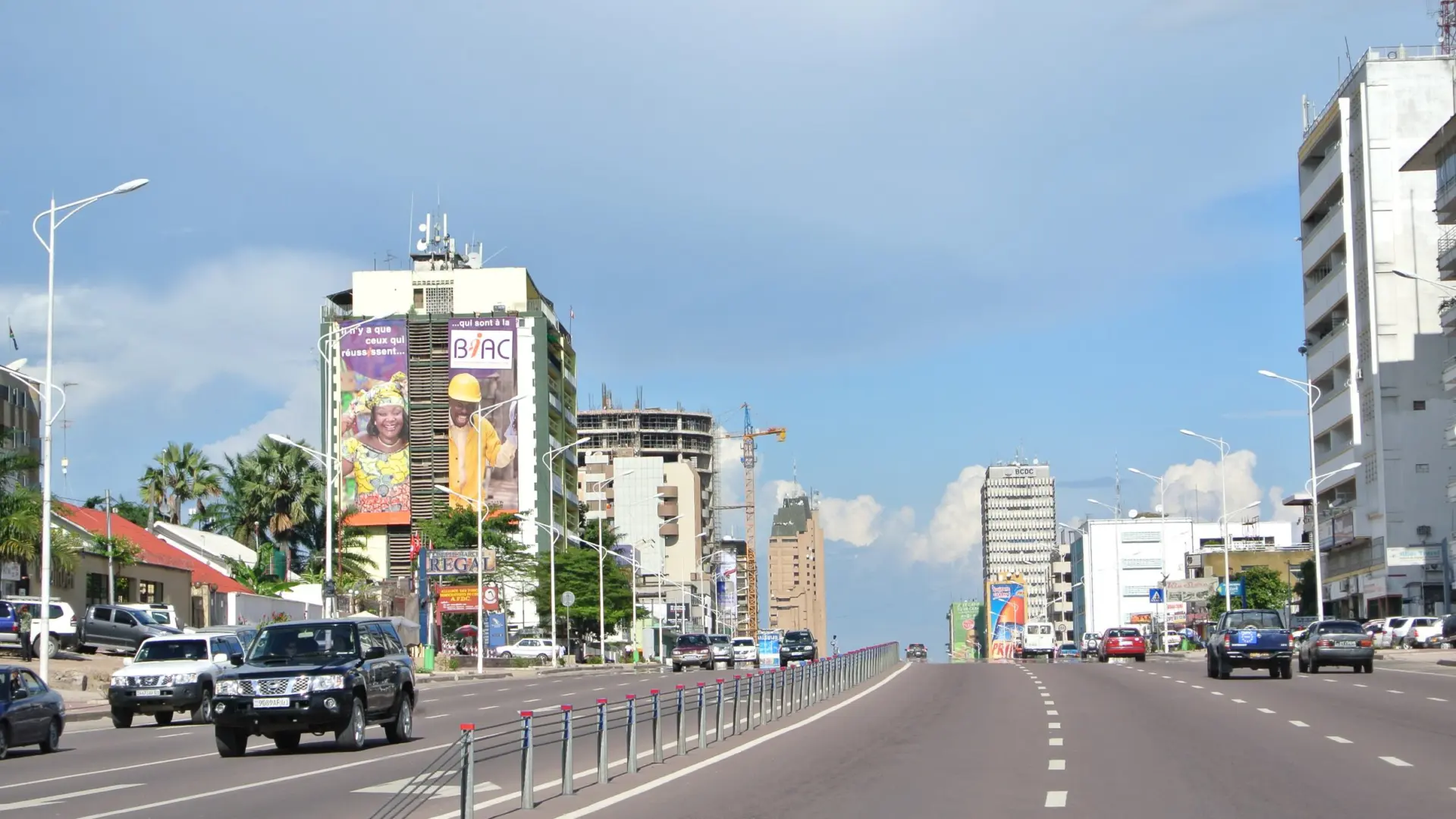
The Democratic Republic of Congo’s application to join the East African Community raises questions about the scale and direction of regional integration. Admission could expand markets and connections, but the benefits would depend on infrastructure, stability and the practical ability to trade across a much larger area.
As at July 2019, the EAC has six members, Burundi, Kenya, Rwanda, South Sudan, Tanzania and Uganda. Congo’s application is a proposal for membership at this point, rather than an accession already completed.
The prospect is significant because the region contains economies with different resources and needs. A larger common market can create opportunities while increasing the demands on the institutions intended to coordinate it.
Regional growth needs a precise definition
The African Development Bank’s 2019 East Africa outlook projected growth of 5.9 per cent in 2019 and 6.1 per cent in 2020. Its East African region comprises 13 countries, not only the six members of the EAC.
That distinction matters when using Ethiopia’s performance or conditions in Sudan to describe the outlook. Those economies can affect the wider region without being members of the community being assessed.
Forecasts also differ from outcomes and conceal substantial variation between countries. Strong regional growth can coexist with contraction, conflict or severe hardship in particular places.
For EAC members, the useful question is how integration can improve productive opportunities across that uneven landscape. A larger combined GDP is less informative without a clear account of the activity and services it supports.
Infrastructure shapes the opportunity
Kenya and Tanzania provide important maritime routes for landlocked neighbours. Roads, railways and border facilities determine how effectively those routes connect with businesses inland.
Plans need to consider operating costs and the compatibility of national investments. A proposed connection does not become an effective corridor simply because it appears on several governments’ maps.
Congo brings an Atlantic coastline and extensive internal distances. Its geography could widen regional connections, but an outlet to the sea does not automatically provide a convenient alternative route for every EAC country. Transport capacity and the location of markets matter.
Financing also requires careful scrutiny. Borrowing for infrastructure can support development where a project is useful and its obligations manageable. Competition between governments should not replace that appraisal.
Resources and people need supporting institutions
Congo’s mineral resources and agricultural potential are important parts of the membership discussion. Their contribution depends on the conditions under which production takes place and the share of value available to local communities and the public budget.
Arable land alone cannot guarantee food security. Producers need access to inputs, infrastructure, markets and secure conditions in which to work. The effects of conflict can interrupt all of them.
A larger population can offer a wider consumer market and a broader range of skills. It can also increase the demand for services and institutional capacity. Population totals should not be treated as a substitute for purchasing power or productive opportunity.
Expansion must support practical integration
The EAC faces continuing responsibilities around employment, poverty and cooperation between countries with different economic strengths. Additional membership would not remove those challenges.
Support for stability and workable institutions can help countries benefit from closer economic relations. The aim should be a region in which firms and households can make use of the opportunities promised by integration, rather than one that is larger only in its statistical totals.



