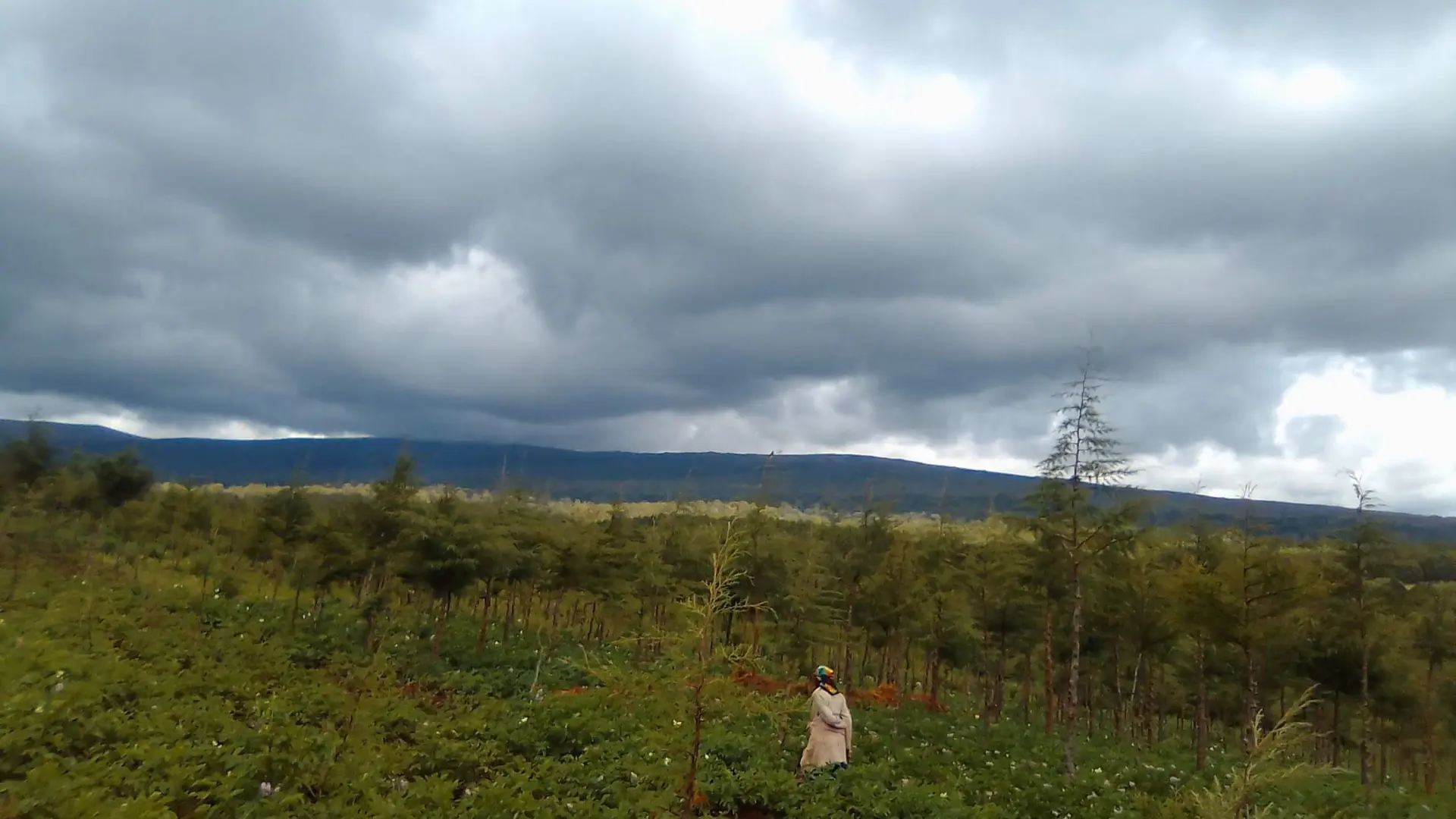
Atmospheric carbon dioxide continues to rise, driven by fossil fuel combustion and deforestation, and the natural systems that slow climate change are under growing strain. For Africa, whose tropical forests, savanna grasslands and coastal ecosystems hold some of the largest remaining natural carbon reservoirs on Earth, that strain is an economic question as much as an ecological one. It makes the continent’s ecosystems both a climate asset and a bargaining position, one that weak monitoring and unfavourable carbon market terms have so far left undervalued.
Sinks under strain
The natural carbon sink system, the capacity of forests, soils and oceans to absorb CO₂ from the atmosphere, has long functioned as an essential brake on the speed of climate change. Drought and fire can weaken land carbon uptake and release stored carbon, although a regional or single-year result does not show that natural sinks as a whole have stopped absorbing carbon. Monitoring-station readings and annual global averages also measure different things, so an isolated monthly reading cannot establish the annual global concentration. Ocean uptake continues but is driving acidification that threatens marine food webs and the fisheries coastal African communities depend on. Methane, a greenhouse gas roughly 80 times more potent than CO₂ over a 20-year horizon, now stands at approximately 265 per cent of its pre-industrial level. The feedback risk is clear: warming can weaken sinks, and weaker sinks can accelerate warming.
Africa’s position
Africa’s position in this process combines a structural injustice with a strategic opportunity. The continent holds approximately 25 per cent of the world’s remaining tropical forests; the Congo Basin alone is the second-largest tropical forest system on Earth. Its grassland and savanna ecosystems store significant quantities of below-ground carbon in soils that have not been systematically quantified for the global accounting frameworks that shape carbon credit markets. This means Africa is simultaneously undercompensated for the climate services its ecosystems provide and underequipped with the monitoring systems that would allow its governments to negotiate from verified data rather than estimated contribution.
Africa is simultaneously undercompensated for the climate services its ecosystems provide and underequipped with the monitoring systems that would allow its governments to negotiate from verified data.
The terms of carbon markets
Article 6 of the Paris Agreement created a framework for international cooperation, including transfers of mitigation outcomes and a crediting mechanism. These arrangements differ from voluntary corporate offset markets. African forests, community-based conservation projects and reforestation initiatives are significant potential suppliers of high-quality carbon credits in a market whose demand is growing as corporate net-zero commitments proliferate. But the terms on which African countries and communities participate, the split between project developers and local communities, the verification standards imposed by external certifiers, and pricing mechanisms that can undervalue African credits relative to those from better-monitored jurisdictions, remain often unfavourable and inadequately governed by African regulation.
What Africa should do
Addressing the carbon crunch from Africa’s vantage requires action on several fronts at once. Domestically, protecting existing forest cover and investing in reforestation and ecosystem restoration is both a climate contribution and a long-term economic asset: intact forests provide carbon storage, water and biodiversity benefits, although their future market value and the returns from alternative land uses are uncertain. Internationally, African governments need to coordinate more effectively on carbon market governance, setting continental standards for project approval, community benefit-sharing and pricing transparency, so that African carbon assets are not extracted on terms designed by external intermediaries. In climate negotiations, evidence of strain on the sinks should be deployed not only as a sign of urgency but in support of Africa’s claim to compensation for the ecosystem services it has been providing, at its own expense, to an atmosphere everyone shares.
The carbon crunch is a global emergency. It also reveals the terms on which Africa’s natural wealth has been absorbed by global systems without commensurate return. Reforestation, sink restoration and careful land management are not acts of environmental virtue. They are investments in Africa’s negotiating position in the most consequential economic transition of the coming century.



