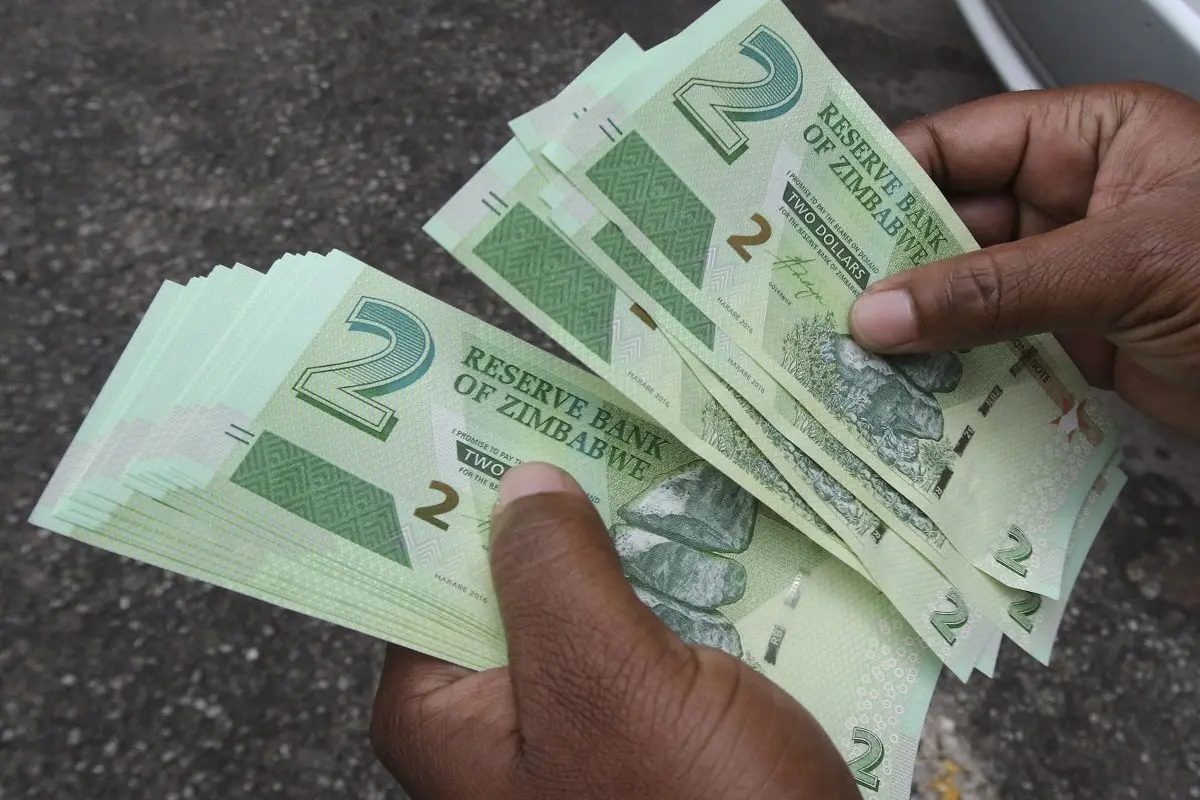
Zimbabwe’s return to a domestic currency has not removed the pressures facing its economy. Inflation, shortages of foreign exchange and interruptions to production continue to affect households and businesses. A currency can be given legal status more quickly than it can earn the confidence of the people expected to use it.
The monetary changes of 2019 involved several steps. The introduction of the RTGS dollar in February was followed in June by the move to make the domestic currency the sole legal tender for local transactions. Those decisions should not be compressed into the claim that an entirely new currency simply appeared in June.
The immediate challenge is practical. Workers need their wages to retain purchasing power, firms need to price goods and obtain inputs, and savers need a reason to hold balances in the local unit.
Shortages affect both prices and production
Power cuts and shortages of fuel can raise operating costs and reduce output. Drought adds pressure to agriculture and food supplies. These constraints can reinforce one another, making it more difficult for businesses to expand production even where demand remains.
Limited access to foreign exchange also affects imports. A firm unable to obtain an essential input may interrupt its activity, with consequences for workers, suppliers and customers.
Those conditions help explain why a monetary decision cannot be assessed in isolation. Changing the unit used for transactions does not immediately increase the availability of goods, electricity or foreign currency.
Confidence depends on the wider policy
People’s willingness to hold a currency is affected by expectations about inflation and the authorities’ policies. Where prices rise rapidly, households and businesses may seek another way to preserve value or express a price.
That behaviour can make stabilisation harder, but it should not be treated as the sole cause of a currency’s weakness. The supply of money, production conditions, fiscal decisions and access to foreign exchange all require examination.
There is no universal rule that a country must achieve exactly 7 per cent GDP growth or hold exactly six months of imports before introducing a currency. Such indicators can inform a judgement about readiness, but they are not fixed prerequisites that establish success or failure on their own.
Public finances must support stability
Government spending and borrowing influence the conditions in which monetary policy operates. Essential support for households during a drought may be necessary, while the method of financing it affects the pressure on prices and the currency.
Authorities need a credible account of expenditure, revenue and borrowing obligations. A projected budget deficit is not the same as the result eventually recorded, particularly where emergencies change spending needs.
The treatment of existing debts also matters. Obligations denominated in different currencies cannot be assumed to have the same cost or legal treatment after a monetary change. Clear information helps businesses and households understand what they are expected to repay and receive.
Recovery requires productive capacity
Restoring confidence involves improving the conditions under which people earn, save and trade. Reliable energy, workable access to inputs and policies that support production belong within that response.
Currency stability can assist recovery, but neither a decree nor a new banknote can guarantee it. Zimbabwe’s experience underlines the need to align monetary changes with credible fiscal decisions and the practical requirements of a functioning economy.



