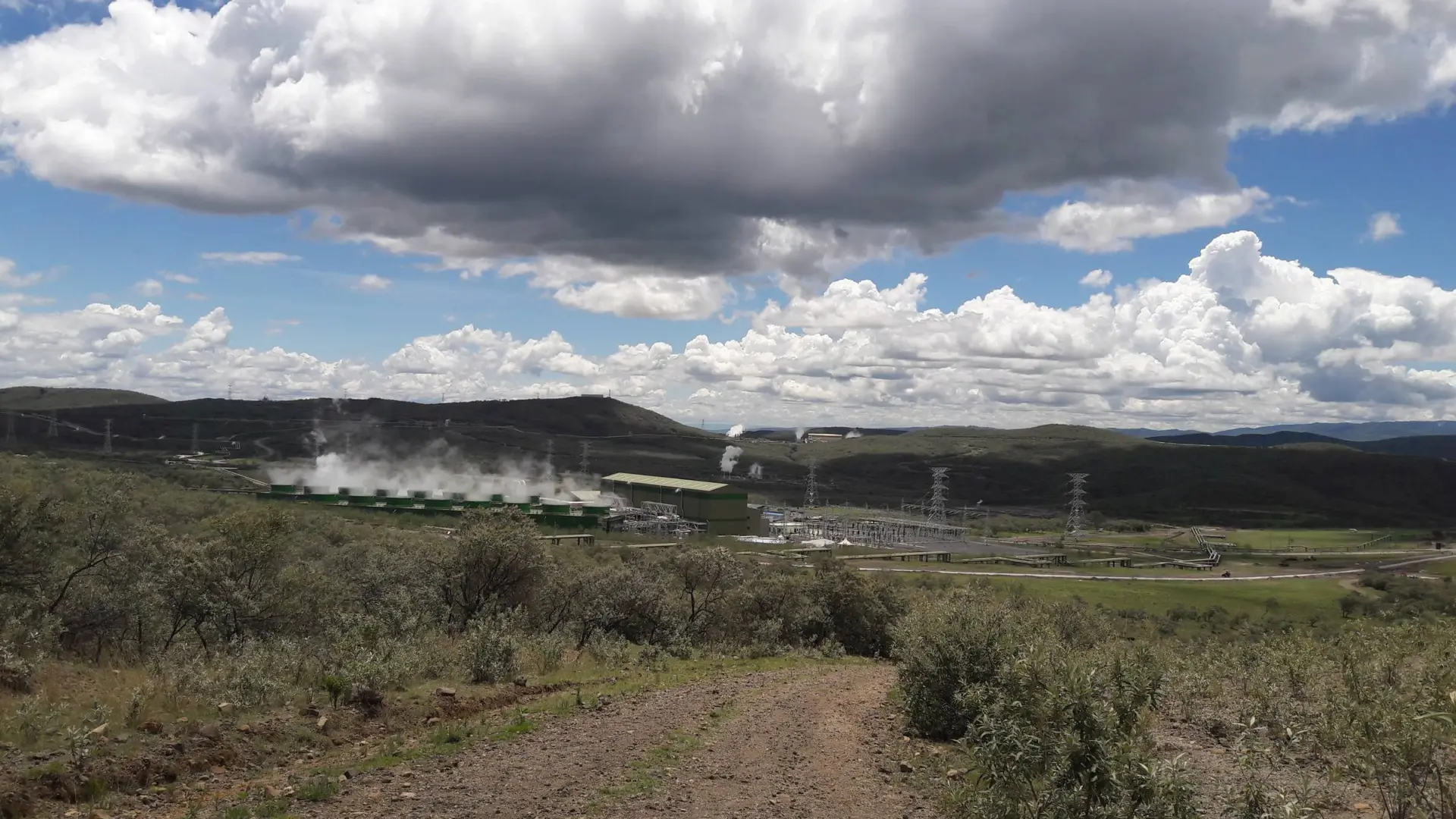
The most revealing technology story of the African year was not a launch. It was a suspension. Kenya, one of the continent’s most confident digital economies, put on hold a flagship billion-dollar data centre backed by Microsoft and the Emirati firm G42. The project would have demanded roughly a third of the country’s installed electricity capacity. The reason for the pause was not a shortage of ambition or capital. It was a shortage of power. That decision carries the argument most of the continent’s AI strategies have been reluctant to confront: sovereignty over data means little without the electricity to keep the data running, and Africa does not yet generate enough of it.
The electricity requirement
The debate on African digital sovereignty has concentrated on the visible layers. There is the data layer, where the argument is about where a continent’s information is stored and who can subpoena it. There is the model layer, where the concern is whether Africans train their own systems or rent someone else’s. There is the policy layer, the declarations and continental strategies, including the pledge made in Kigali to mobilise large sums towards African AI. All of these are real. But beneath them sits a physical layer that the strategies mention in passing. A data centre is, before it is anything else, a very large and very constant consumer of electricity. It turns power into computation and heat around the clock, without the option to pause when the grid is strained.
Africa’s position on that physical layer is stark. The continent holds a share of global data-centre capacity well under one per cent, while accounting for close to a fifth of the world’s people. The gap is not primarily about servers, which can be bought, or fibre, which is being laid. It is about generation and transmission, the grids that must deliver steady power at industrial scale. A hyperscale facility can require as much electricity as a small city, delivered without the brownouts and load-shedding that remain routine across much of the continent.
Questions about the Kenyan project
The Kenyan decision looks like a failure and is better understood as a disclosure. A country that let a single facility consume a third of its grid would be trading the reliability of supply to its hospitals, factories and homes for the uptime of a data centre. Suspension made the trade-off visible. It names the choice every African government courting hyperscale investment now faces. Does scarce generating capacity go to the compute economy, or to the broader economy that the compute was supposed to serve? Framed honestly, that is an energy-allocation question more than a technology one.
Digital independence, pursued without energy independence, relocates rather than resolves the dependence.
Power and the location of computing
Follow the dependency and the sovereignty question reappears one layer down. If African data must be hosted on African soil to be sovereign, but African grids cannot supply the power to host it, then the data migrates to wherever electricity is abundant and cheap, which today means facilities in the Gulf, in Europe and in North America. The continent’s information ends up governed by the jurisdictions that could keep the lights on, and the sovereignty pledged at the policy layer leaks away at the physical one. Whoever controls reliable, affordable power at scale controls where the compute is built, and therefore where the data lives and who can reach it. Digital independence, pursued without energy independence, relocates rather than resolves the dependence.
Energy and compute are therefore better treated as a single problem rather than two. A data centre with its own solar or geothermal supply does not have to compete with the national grid for every megawatt. Ethiopia’s hydropower, Kenya’s geothermal base and the solar potential of the Sahel are not merely climate assets. They are the precondition for a domestic compute industry that does not take power from the people it claims to serve. The strategies that invert the sequence, promising sovereignty before securing supply, are promising a building they cannot power.
Coordinating generation and computing
None of this is an argument against African data centres. It is an argument about order of operations. Build the generation, and the compute can follow onto a foundation that will hold. Build large computing loads without adequate supply planning, and grid reliability can suffer, and the flagship facility becomes a monument to a step that was skipped. The temptation for a government seeking a headline is to announce the data centre, because the ribbon-cutting is photogenic and the substation upgrade is not. The Kenyan suspension shows the constraint is real and binds now.
The continent has been told, correctly, that the twenty-first century will be shaped by who owns the infrastructure of computation. The lesson of the suspended facility is that the first infrastructure of computation is not the server. It is the power station, the dam, the solar field and the transmission line that carries a steady current to the machines. The way forward is more power, generated at home, before the servers are switched on.



