Opens in a new tab

Topic

Digital and data sovereignty

Data centres, cloud, AI policy, data governance

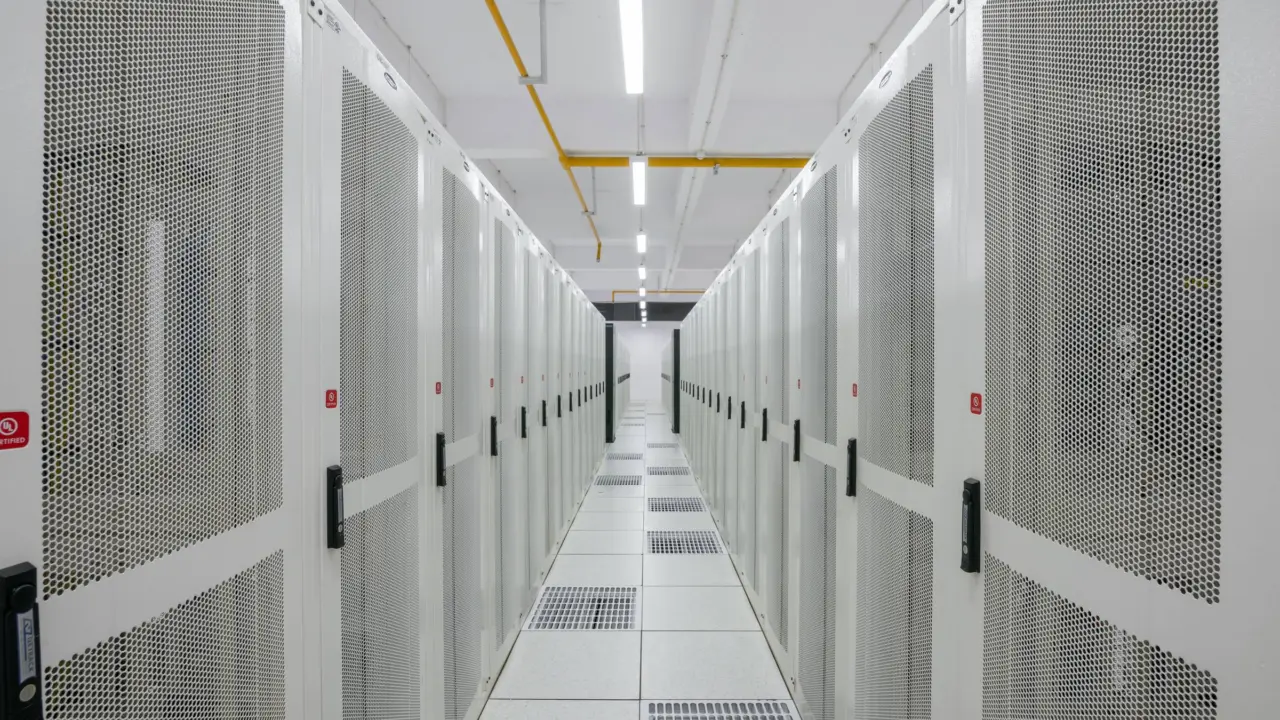
Rows of white server racks line an aisle inside the Pi Data Centers facility in Amaravati, India.

Technology

India’s digital infrastructure offer tests control of public systems

Indian digital public infrastructure such as MOSIP offers modular, open-source components for identity, payments and data exchange. Whether African governments keep practical control depends on procurement, code access, hosting, local engineering capacity and data-protection law, not on where the template originated.

By Kiraithe Daniel Mutemi · · 2 min read

Latest in Digital and data sovereignty

An aerial view of central Johannesburg's towers and rail yards under scattered cloud.

Technology

Lelapa’s 400-million-parameter model puts African-language data first

Lelapa AI's InkubaLM, a 400-million-parameter model trained on about 2.4 billion tokens across five African languages plus English and French, shows a small model can target scarce-data languages. Its released corpora may outlast the model, making their licensing a public-infrastructure question.

Victoria Akindele ·

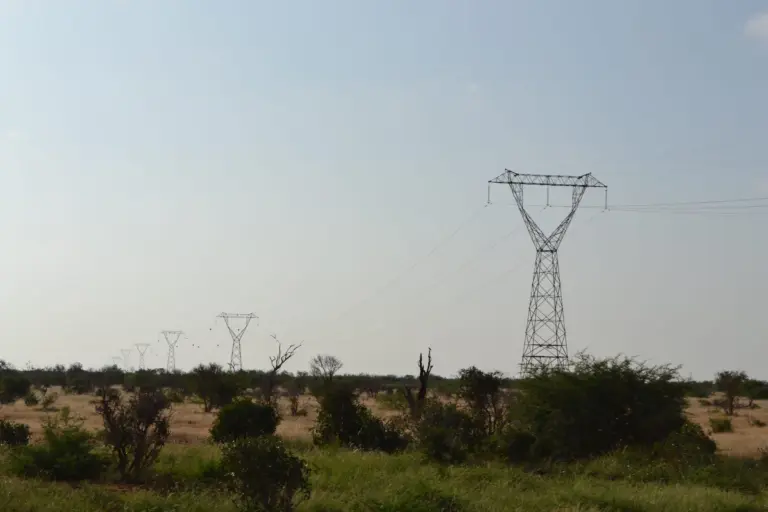
High-voltage electricity transmission line running across dry bush country in Tsavo East National Park, Kenya

Technology

Grid connection decisions shape Africa’s data-centre expansion

Africa has about 360 megawatts of active data-centre capacity and 656 megawatts planned, and power has overtaken connectivity as the main constraint. The decisive choices, interconnection queue order, firm capacity and curtailment ranking, are unpublished, and utilities and regulators should disclose them.

Kiraithe Daniel Mutemi ·

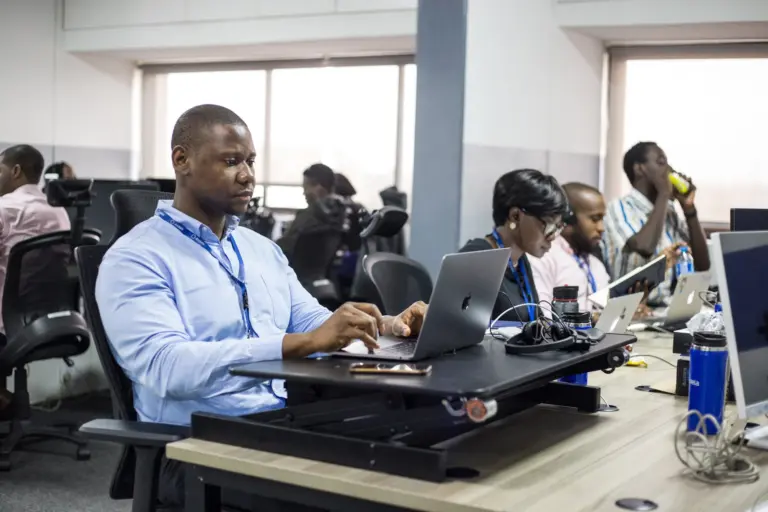
Software developers work on laptops at shared desks in the Andela office in Lagos, Nigeria.

Technology

Fifteen African startups building payments, logistics and data services

Sorted by the layer of the economy they occupy rather than money raised, fifteen African startups from Moniepoint to Lelapa AI show that payments, medicine, freight, retail credit and data infrastructure is being built cheaply, often outside the Big Four, and may not stay African-owned.

Kiraithe Daniel Mutemi ·

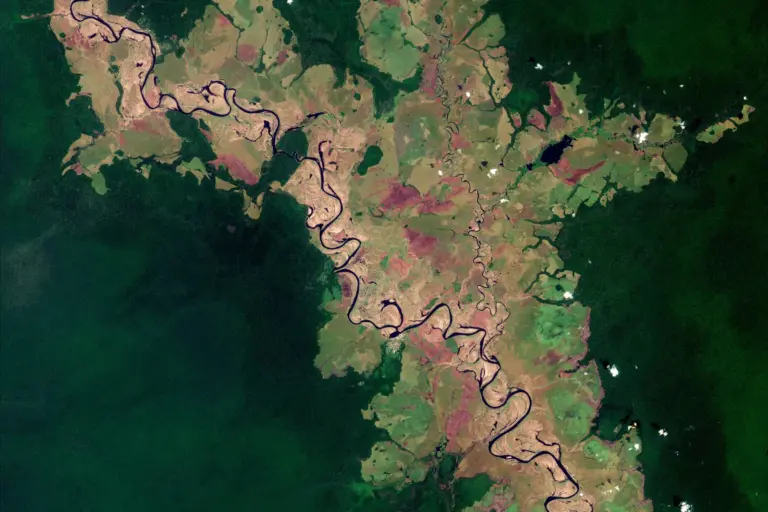
A satellite view of the Likouala-aux-Herbes river winding through cleared land and rainforest in the Republic of Congo.

Technology

Amini’s environmental data raises questions about risk pricing and access

Thin environmental observation across Africa is a priced uncertainty paid by farmers, insurers, borrowers and states, and as venture-backed firms such as Amini close that gap, African states should treat ground-truth data as strategic infrastructure with public access.

Kiraithe Daniel Mutemi ·

Olkaria V geothermal power station with steam pipes and plant buildings in Hell's Gate National Park, Kenya

Technology

Electricity supply constrains Africa’s data-centre plans

Kenya's suspension of a billion-dollar Microsoft and G42 data centre, which would have drawn roughly a third of national capacity, shows that African digital sovereignty depends first on electricity generation, and compute plans must follow power supply rather than precede it.

Victoria Akindele ·

Two flat Starlink satellite internet antennas mounted on a mast against a blue sky

Technology

Satellite internet tests Africa’s telecom licensing choices

African governments are licensing low-earth-orbit satellite internet in sharply different ways, from refusal to quick approval to partnerships with incumbents such as Airtel and Vodacom. Regulators keep leverage by treating market access as a negotiation over enforceable conditions on data, universal access and pricing.

Victoria Akindele ·

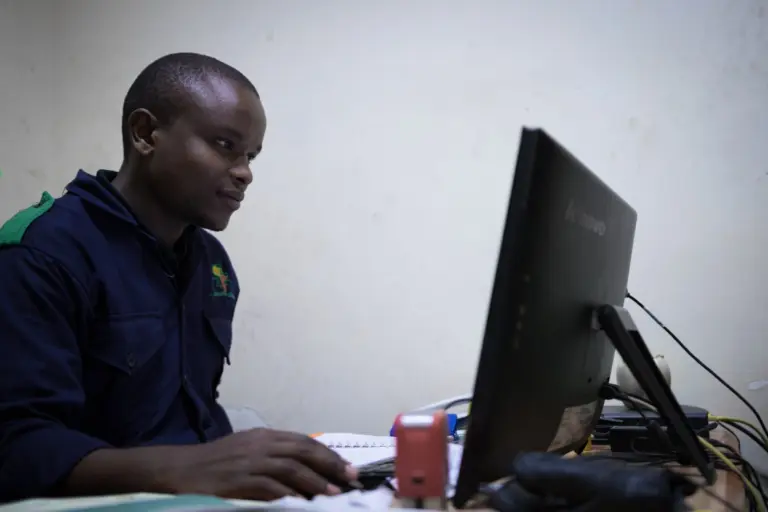
Young Kenyan man in a dark jacket working at a desktop computer in an office

Technology

Kenya’s AI data workers bear costs that contracts can obscure

Kenyan data workers employed through outsourcing firms such as Sama have reviewed traumatic material to train AI systems for low pay and limited support. The AI developer captures most of the value, and Kenya has yet to use its leverage to set protections for hazardous digital work.

Kiraithe Daniel Mutemi ·

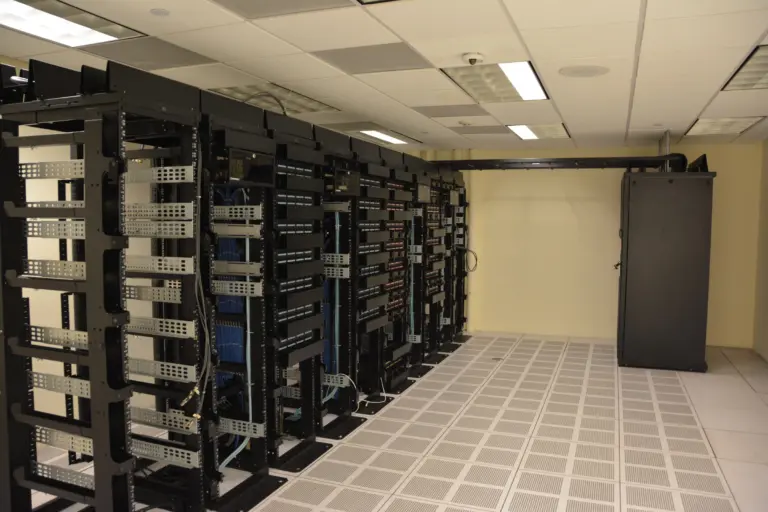
Rows of open black server racks with blue cabling stand in an empty data-centre room with a raised floor.

Technology

Africa’s cyber coordination needs technical capacity and accountable suppliers

Africa is assembling a continental cyber stack of response teams, Smart Africa coordination, the Malabo Convention and Interpol-backed operations, but the threat intelligence, security tools and cloud platforms behind it remain largely foreign. Cyber sovereignty depends on building African capability, not only coordinating institutions.

Kiraithe Daniel Mutemi ·

Earlier in Digital and data sovereignty

Africa’s AI strategy needs computing capacity and enforceable contracts

The African Union's Continental AI Strategy is undermined by the continent's small share of global compute. Sovereignty will be decided in the contracts African states sign with hyperscalers on data residency, lawful access and local capacity, and coordination can turn pooled demand into negotiating power.

Victoria Akindele

Telecom network APIs bring fraud checks and new oversight questions

Through standardised network APIs such as the GSMA Open Gateway, African mobile operators are becoming the verification layer for fintech, supplying SIM-swap, location and number checks. That makes them public-interest infrastructure needing fair access pricing, interoperability and data-protection oversight.

Kiraithe Daniel Mutemi

Starlink challenges telecom regulation across Africa

Starlink's satellite broadband reaches communities fibre and towers never did, but it decouples coverage from sovereign control, leaving African regulators facing a foreign network they cannot inspect, tax at source or restrict without cutting off connectivity their citizens want.

Kiraithe Daniel Mutemi

Africa’s data centres expand while cloud control remains concentrated

Hyperscale cloud regions in Johannesburg and Cape Town, colocation and new subsea cables have expanded Africa's digital infrastructure, but control remains concentrated. Data localisation laws in Kenya, Nigeria and South Africa have moved servers without moving power, because a few American firms still run the compute.

Kiraithe Daniel Mutemi

AI adoption depends on data, skills and reliable infrastructure

The AI readiness gap in African enterprises is less about access to tools than about the conditions that make them useful: structured data, technical skills and reliable power. Where those preconditions are weak, AI amplifies the weakness, and gains may concentrate in large firms rather than smaller enterprises.

Kiraithe Daniel Mutemi

RightsCon’s cancellation in Zambia raises concerns about participation

Access Now said RightsCon 2026 would not proceed in Zambia after organisers were told Chinese diplomats had pressured the government over Taiwanese participation. The episode points to a less visible dimension of digital sovereignty: control over who is allowed into the room where digital rules are debated.

Victoria Akindele

Foreign-currency cloud costs expose Nigerian digital businesses to risk

Nigeria's digital economy is building on infrastructure it largely does not own, with dollar-priced cloud costs and foreign-operated subsea cables. With the naira losing about seventy per cent of its value between 2021 and 2024, that dependency squeezes margins for businesses that earn in naira.

Victoria Akindele

Africa’s digital expansion raises questions about who controls the infrastructure

Sub-Saharan Africa handles two-thirds of global mobile money value, yet much of the digital infrastructure in Africa, from subsea cables to cloud regions and AI training data, is financed or run by foreign firms. Data laws in Nigeria, Kenya and South Africa exist; enforcement and coordination decide how much of Africa's digital sovereignty is real.

Victoria Akindele

Africa’s digital economy needs a closer accounting of ownership and value

Africa's digital economy risks repeating the oil trap, with users generating data while the platforms, cloud and AI systems that capture its value are owned abroad. Rwanda, Egypt and Nigeria have begun building the missing refinery, but infrastructure, platform, talent and diplomatic action must come together.

Kiraithe Daniel Mutemi

Ownership shapes Africa’s digital economy

Africa's digital economy is growing on cables, cloud, platforms and payment rails it largely does not own, so value flows out as usage grows. Data protection laws exist but lack enforcement, and the remedies are ownership conditions on investment, African institutional capital and the African Union's collective weight.

Victoria Akindele