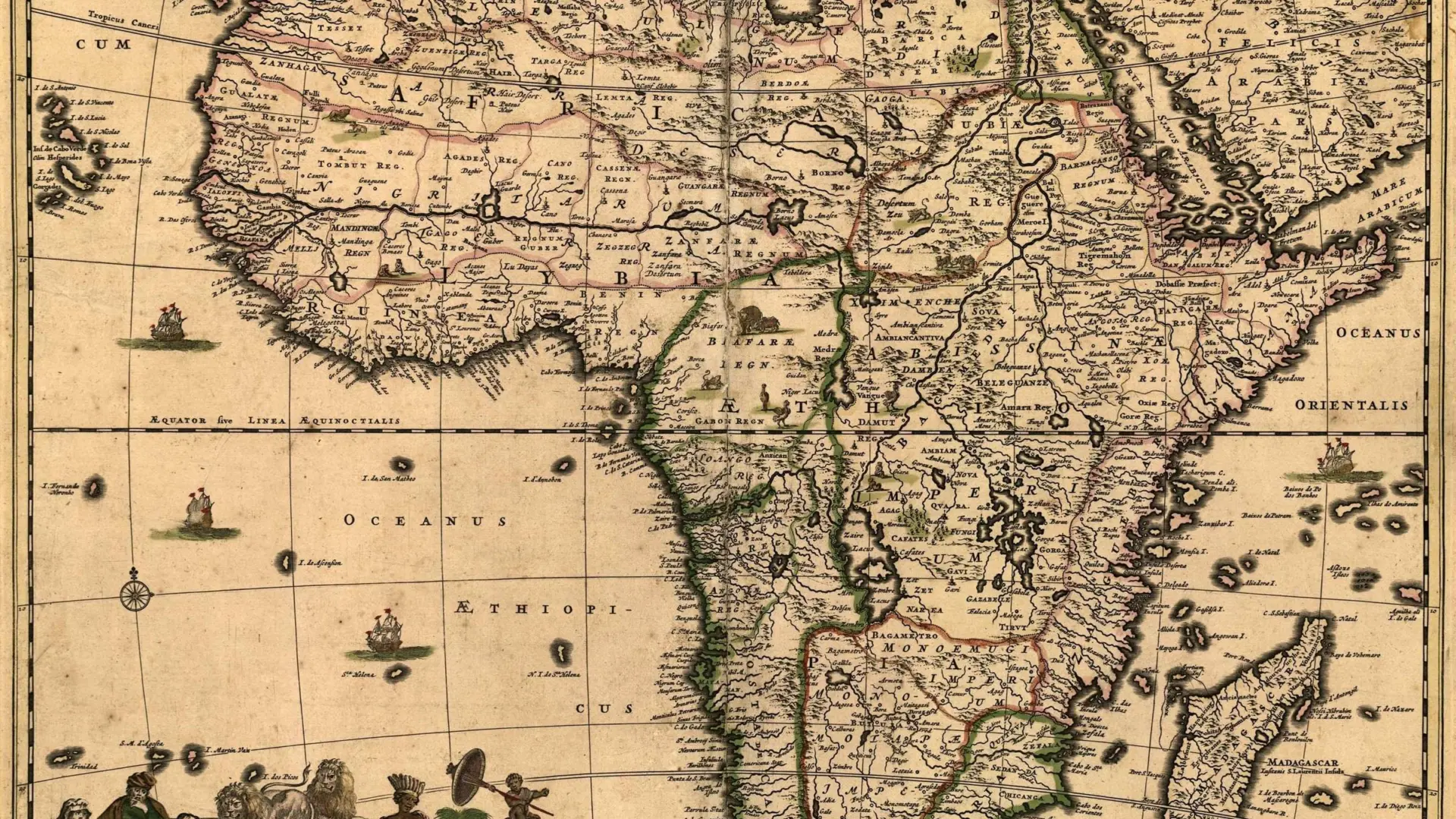
Africa contains 54 UN member states and a wide variety of histories, languages and political institutions. Treating the continent as a single country obscures differences that matter to reporting, policy and business. Country-specific evidence, not continental shorthand, should guide how those states are understood.
The phrase ‘Africa is not a country’ challenges that simplification. Continental patterns can be useful, but they should not replace attention to particular communities and states.
Single-country portrayals are inaccurate, and they feed stereotypes that shape foreign policy and economic decisions. Africa is home to many languages, vast ethnic and cultural diversity, and different and often mixed legal systems. Political models vary just as widely: Rwanda’s centralised development model, Senegal’s tradition of peaceful democratic transitions, Ethiopia’s ethnic federalism. There is no singular African way of governing, just as there is no singular African economic model.
Colonial rule often imposed political boundaries and administrative categories that grouped different communities while dividing others. Those histories continue to affect individual states in different ways. Describing them precisely is more useful than treating the continent’s borders or subsequent political problems as the product of one identical process.
The cost of generalisation
Development strategies can fail when they overlook differences in institutions, political interests and economic conditions. Reporting can make a similar mistake by subsuming local achievements into a vague continental trend. Crediting particular people, businesses and communities helps explain how change happens and whether an approach might work elsewhere.
Continental patterns should not replace attention to particular communities and states.
Broad continental narratives simplify policy and reporting, but that convenience carries a cost when it displaces country-specific evidence. An aid programme, investment assessment or diplomatic position needs to account for the institutions and interests it actually encounters. Country risk, likewise, should be assessed using country-specific evidence. Regional spillovers can affect markets, but claims of a single continental risk price require analysis rather than assumption.
Diversity and cooperation
Africa’s internal diversity is also a source of innovation. In literature, Chimamanda Ngozi Adichie (Nigeria), Tsitsi Dangarembga (Zimbabwe) and Ngũgĩ wa Thiong’o (Kenya) each draw on their national and cultural heritage to illuminate different aspects of the African experience. In entrepreneurship, Kenya’s fintech boom, Nigeria’s entertainment industry and South Africa’s green energy start-ups are each a product of specific social, political and market conditions.
Recognising that diversity does not weaken cooperation. Regional cooperation can strengthen bargaining without requiring every member to accept an identical diagnosis. Rejecting the myth of homogeneity opens the door to more effective partnerships, more accurate representation and accounts that recognise local agency. It calls for education systems, media reporting and policy frameworks that engage with Africa’s 54 nations as distinct states with their own intellectual traditions, challenges and triumphs, and for unity, resilience and sovereignty built on Africa’s own terms.



