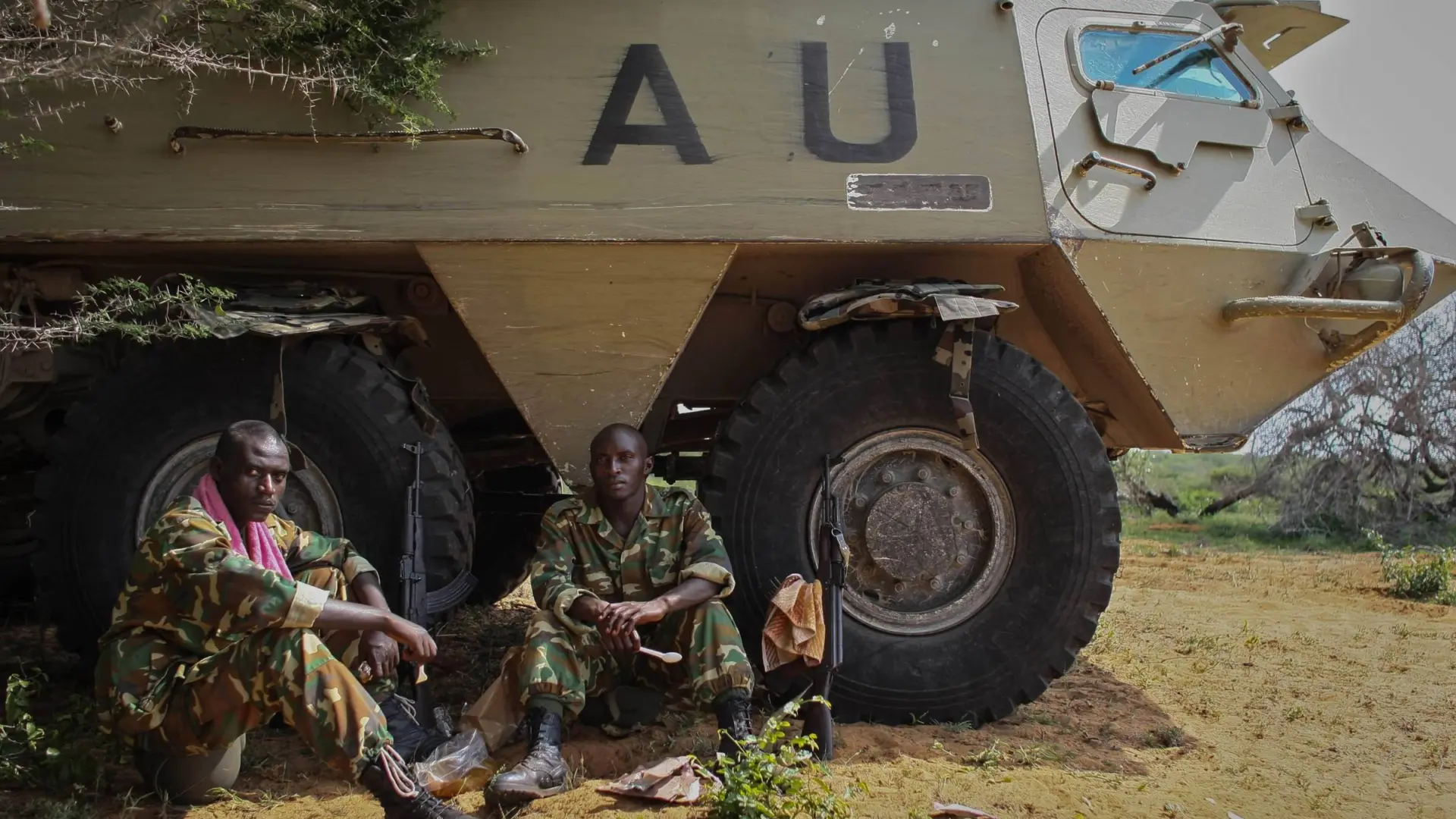
Count the blue helmets in almost any active United Nations peacekeeping mission and the pattern repeats with a consistency that should embarrass an organisation built on the language of equal member states. Ethiopian, Rwandan, Ghanaian, Senegalese and Tanzanian soldiers make up a large share of the troops deployed to stabilise conflicts in the Democratic Republic of Congo, South Sudan and the Central African Republic. Their mandates are set, renewed or ended by a Security Council on which no African state holds a permanent seat or a veto. African elected members vote on mandates, but many troop contributors are outside the Council when decisions affecting their deployments are taken. I do not think this is an oversight the international system has simply failed to correct. I think it is closer to the system’s actual design, and African governments have been too polite about saying so.
Troop contributions and decision-making
The numbers are not subtle. African troop-contributing countries have for years supplied a large share of personnel deployed under the UN flag, a fact repeated at African Union summits with a mixture of pride and grievance that never quite resolves into action. Pride, because it demonstrates real military and logistical capacity built by African states with limited resources. Grievance, because the countries whose soldiers carry the risk do not automatically receive a Council seat to decide whether a mission continues, expands or is drawn down for reasons having nothing to do with conditions on the ground. The Security Council’s five permanent members, none African, hold a veto that has been used or threatened to slow action on African crises when it suited their wider diplomatic interests, Darfur among them.
This is not a new complaint. The African Union’s Ezulwini Consensus, adopted in 2005, has for two decades formally demanded at least two permanent African seats on an expanded Security Council, with full veto rights, rather than seats without the veto. Every UN reform cycle since has produced sympathetic statements from Western capitals and no change to the Council’s composition. The permanent members have a structural incentive to keep the veto club small, and the diplomatic cost of continuing to say no to Africa specifically, as opposed to reform in general, has proven low enough to absorb indefinitely.
Africa supplies the labour of global peacekeeping. It has never been offered the leverage that would let it set the terms.
Why reform remains contested
The honest reason reform stalls is not procedural complexity, though that excuse is often deployed. It is that a Council seat with real veto power would let African states block interventions and sanctions regimes that affect the continent directly. That is exactly the leverage the current arrangement denies them. A Security Council that had to secure African consent before authorising or continuing an operation in Congo, Sudan or Mali would be a different, slower and less controllable body from the perspective of the powers that dominate it now. The absence of African permanent seats is not simply an accident of 1945-era diplomacy frozen in amber. It has survived eight decades and multiple reform attempts because it serves the interests of those with the power to change it.
How African governments use their influence
The symmetric part of this argument, the part African commentary too often skips, is that African governments have not always used the leverage they do possess with any discipline. Troop contribution can become a revenue stream, funding national militaries through UN reimbursement rather than serving a coordinated diplomatic strategy tied to reform demands. The African Union has spoken with one voice on Ezulwini for twenty years and has not, in that time, credibly threatened to withhold troop contributions as leverage for Council reform. That is the one card that would actually cost the permanent members something. A continent that supplies so many peacekeepers and never asks what happens to the missions if that supply is reconsidered has chosen not to use the only real bargaining chip it holds.
I am not arguing that African states should abandon peacekeeping, which remains one of the continent’s genuine contributions to global order and a source of hard-won military professionalism and regional stability. I am arguing that supplying the labour without ever testing what happens if the labour is withheld is not principled restraint. It is a bargaining position that has been tried, has failed for twenty years, and continues to be tried in the same form because raising the stakes carries domestic political risk for the leaders making the choice. The safe path (keep contributing, keep asking politely) has been safe for the individual government and costly for the continent’s standing collectively.
The Security Council’s permanent members will not offer Africa a veto because it has asked nicely for two decades. They will offer it, if they ever do, because the cost of continuing to refuse becomes higher than the cost of sharing power. African states hold more of that cost-raising leverage than they have chosen to use. Until troop contribution is treated as the diplomatic instrument it is, rather than a service rendered in exchange for reimbursement and goodwill statements, the arrangement will not change on its own. The world will keep asking Africa to supply the peacekeepers. Africa should stop assuming that supplying them is the same thing as being heard.



