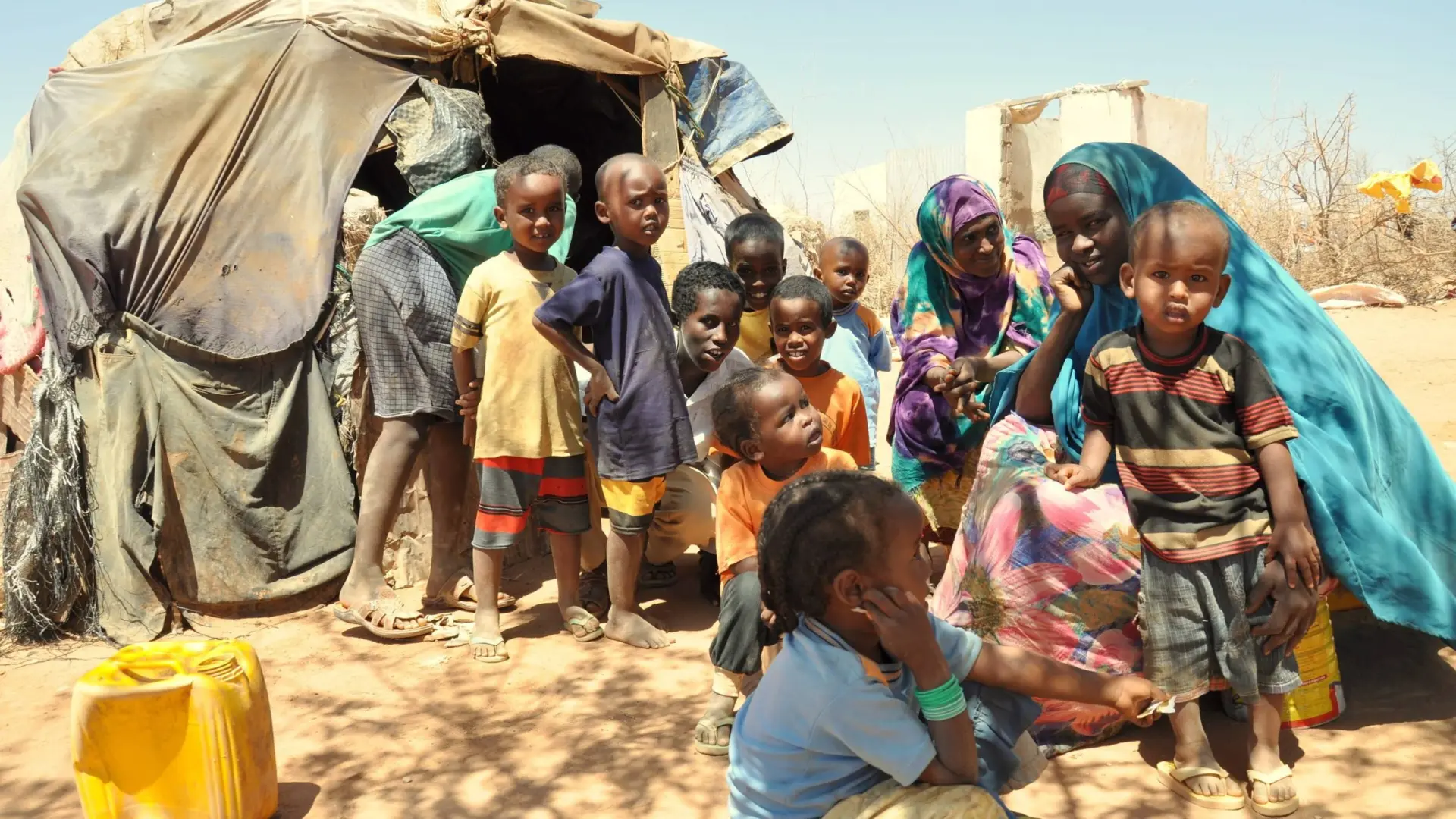
The World Food Programme warned on 8 May 2026 that its food assistance in Somalia could halt in July without urgent funding. It was a conditional warning about WFP operations, not a forecast that all assistance would end. But it exposes how little control a state whose population depends on external aid has over the calendar on which its survival is decided.
Humanitarian agencies have issued warnings on Somalia for years. This one landed differently because it tied a hard stop to a specific month. That carries different political weight from a warning about deteriorating conditions. It forces attention onto the sustainability of the aid system itself rather than the scale of the suffering it is meant to address.
A shrinking pipeline
The WFP’s reach has already been sharply reduced, with support scaled down from millions of people to a fraction of earlier levels. UNICEF has separately warned that nearly two million Somali children face acute malnutrition risks this year, while broader UN estimates place millions in severe food insecurity. What has changed is the growing sense that the international aid system can no longer absorb competing global demands without visible cuts in its capacity to respond.
The pressure is not emerging from within Somalia alone. International humanitarian systems are simultaneously absorbing conflicts in Sudan, Gaza, Ukraine and other crises competing for diplomatic attention and donor funding. Somalia’s warning shows how vulnerable heavily aid-dependent states become when global priorities shift faster than humanitarian need declines.
Survival decided elsewhere
Beneath the humanitarian framing lies a question of sovereignty that the aid vocabulary avoids. When the function that keeps a population alive is financed, staffed and timed abroad, the most basic attribute of statehood, the capacity to sustain one’s own citizens, has been outsourced. A budget meeting in a European capital, a donor’s domestic politics, a reallocation towards a louder emergency: each can move the July line without a single Somali in the room.
Somalia’s humanitarian architecture has kept emergency response running through repeated crises, and that continuity has also sustained a system that substitutes emergency response for the harder work of building resilience to recurring drought, conflict, commodity shocks and displacement. Emergency funding does not by itself resolve the conflict, climate and livelihood pressures behind those crises. July is therefore a test of whether the international system retains the political appetite and financial flexibility to sustain prolonged crises at scale, or whether competing emergencies have pushed Somalia down the list.
Regional stakes and strategic leverage
For African governments and regional institutions, the implications extend beyond Somalia’s borders. The Horn of Africa sits at the intersection of migration routes, Red Sea security pressures, climate vulnerability and counter-terrorism concerns. Food insecurity can become displacement, and displacement can become regional economic disruption and border pressure.
That strategic geography is also Somalia’s clearest source of leverage. Somalia matters to external powers because of where it sits, and aid is one of the instruments through which that interest is managed. Partners who fund the food pipeline also fund security partnerships aimed at weakening al-Shabab, so a narrowing food line is also a signal about where a fragile state ranks in their priorities.
The timing cuts against Somalia’s own trajectory. The country has spent recent years attempting a cautious institutional recovery through debt-relief negotiations, state-building initiatives and security partnerships, and humanitarian fragility undermines those gains. The danger is not only hunger in July. It is the exposure of a system designed to manage fragility rather than resolve it, at a cost and on a timeline determined by others.



