Three men (a revolutionary from Burkina Faso, a nationalist from the Congo and a Pan-Africanist from Ghana) articulated visions of African sovereignty that later governments have rarely pursued. The question their legacies now raise is not whether those visions were right, but whether the continent can afford to keep governing without them.
When Thomas Sankara took power in Upper Volta in 1983 and later renamed the country Burkina Faso, he was not performing symbolism. He was declaring a governing philosophy. Sankara cut public officials’ salaries, including his own, banned government perks, mandated locally produced clothing and food, led a mass vaccination campaign, planted more than ten million trees against desertification and rejected the foreign aid dependence he believed perpetuated African poverty. His stance against external dependency set him apart from many later leaders. In 1987, he was assassinated in a coup. The programme ended. The dependency remained.
Patrice Lumumba’s tenure as Congo’s first Prime Minister lasted less than three months after independence from Belgium in 1960. His commitment to dismantling colonial structures (to unity, national dignity and the sovereignty of a resource-rich state) made him dangerous to the interests that had controlled the Congo’s wealth. A mutiny in the army, the Belgian-backed secession of the mineral-rich Katanga province and Cold War geopolitics converged against him. He was arrested and executed.
Political independence without economic sovereignty was incomplete liberation.
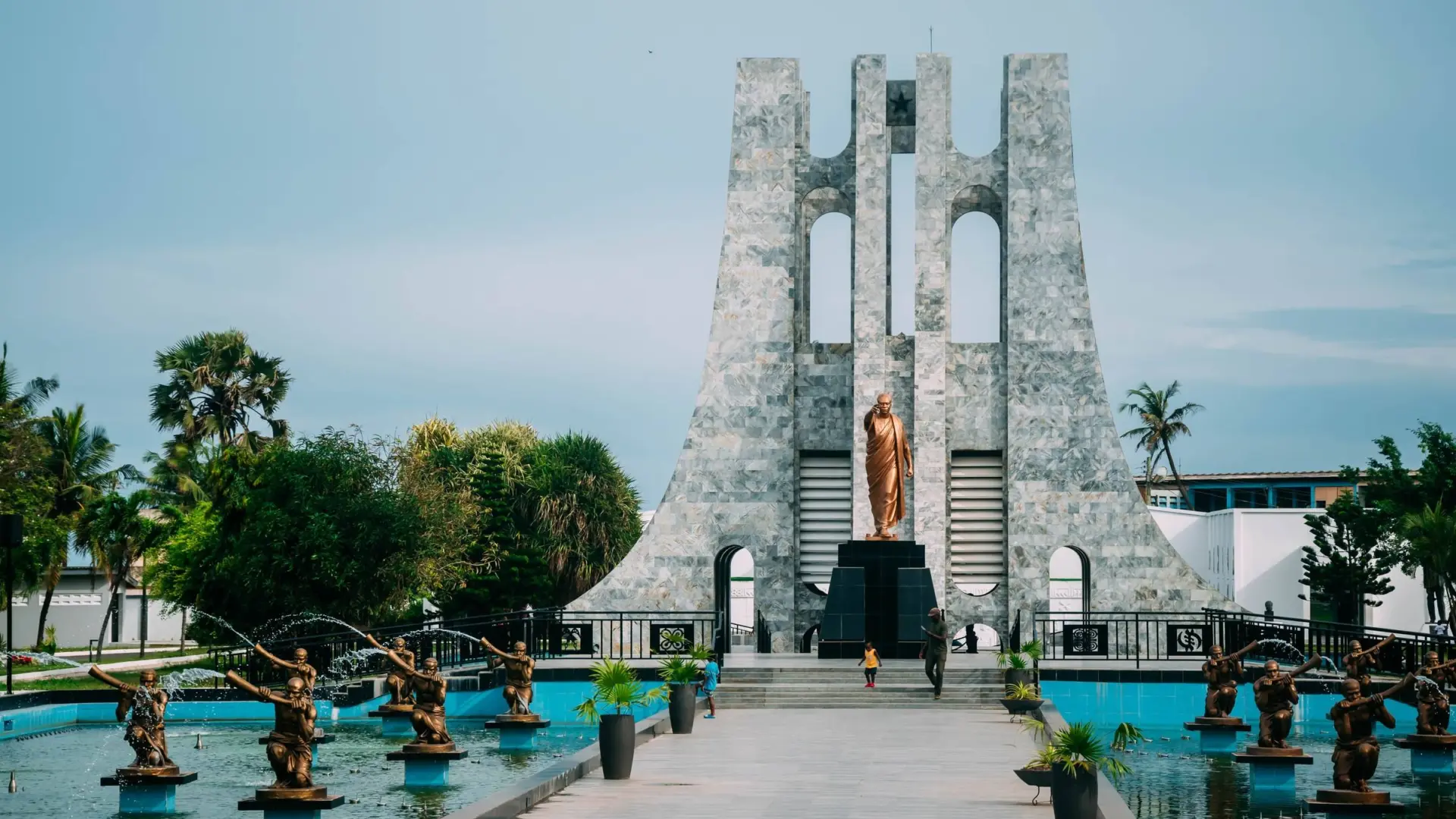
Kwame Nkrumah led Ghana to independence in 1957 and immediately turned his attention to a larger project. He understood that political independence without economic sovereignty was incomplete liberation. Pan-Africanism (the unified continental governance he championed) was not a romantic aspiration. It was a structural response to the reality that individual African states, fragmented by colonial borders and dependent on external financing, would never command the leverage required to negotiate on equal terms with the powers that had designed their disadvantage. His 1966 ouster, while he was abroad, ended the first serious attempt to institutionalise that insight. The African Union he helped inspire remains incomplete. The unity he prescribed has not been achieved.
Contemporary African leadership is frequently measured against these three men and found wanting. The comparison is instructive but also incomplete. The global economic structures that Sankara, Lumumba and Nkrumah confronted in the 1960s and 1980s have not been dismantled. They have been refined. Trade imbalances, debt structures and dependency relationships that disadvantage African economies are embedded not in individual bilateral agreements alone but in the architecture of global financial governance: the institutions, pricing systems and intellectual property regimes that determine the terms on which African states participate in the world economy. No single leader changes those terms alone. But leaders who refuse to acknowledge that they exist cannot begin to change them at all.
Africa carries a demographic opportunity that Sankara, Lumumba and Nkrumah could not have imagined. Its large young population is poised for a demographic dividend if governments choose to invest in education, healthcare and productive infrastructure rather than in self-preservation. The question is whether modern leaders will draw on the radical ideals of their predecessors or continue to govern as though those ideals expired with the men who held them. Self-reliance, national dignity and continental unity were not ideological luxuries. They were structural requirements. They remain so.



