Disruption to Red Sea shipping has consequences far beyond the region, as attacks on commercial vessels since late 2023 have shown. The corridor through Bab el-Mandeb and Suez runs through African geography. Yet the African states whose coasts define it have almost no say in how it is governed, who secures it, or how the value that passes through it is shared. Turning that geography into leverage will take coordination and law, not confrontation.
External frameworks in African waters
The arrangements that govern the corridor were built by the powers that use it, namely the United States, European naval coalitions, China and, more recently, Russia, largely through dealings with each other rather than with the African and Middle Eastern states whose geography makes the corridor possible. Combined Task Force 151, the EU’s naval mission and the American naval presence at Camp Lemonnier in Djibouti are not African security frameworks. They are external frameworks operating in African geographic space, on terms set by external powers, to protect external supply chains. Africa provides the geography. It does not write the rules.
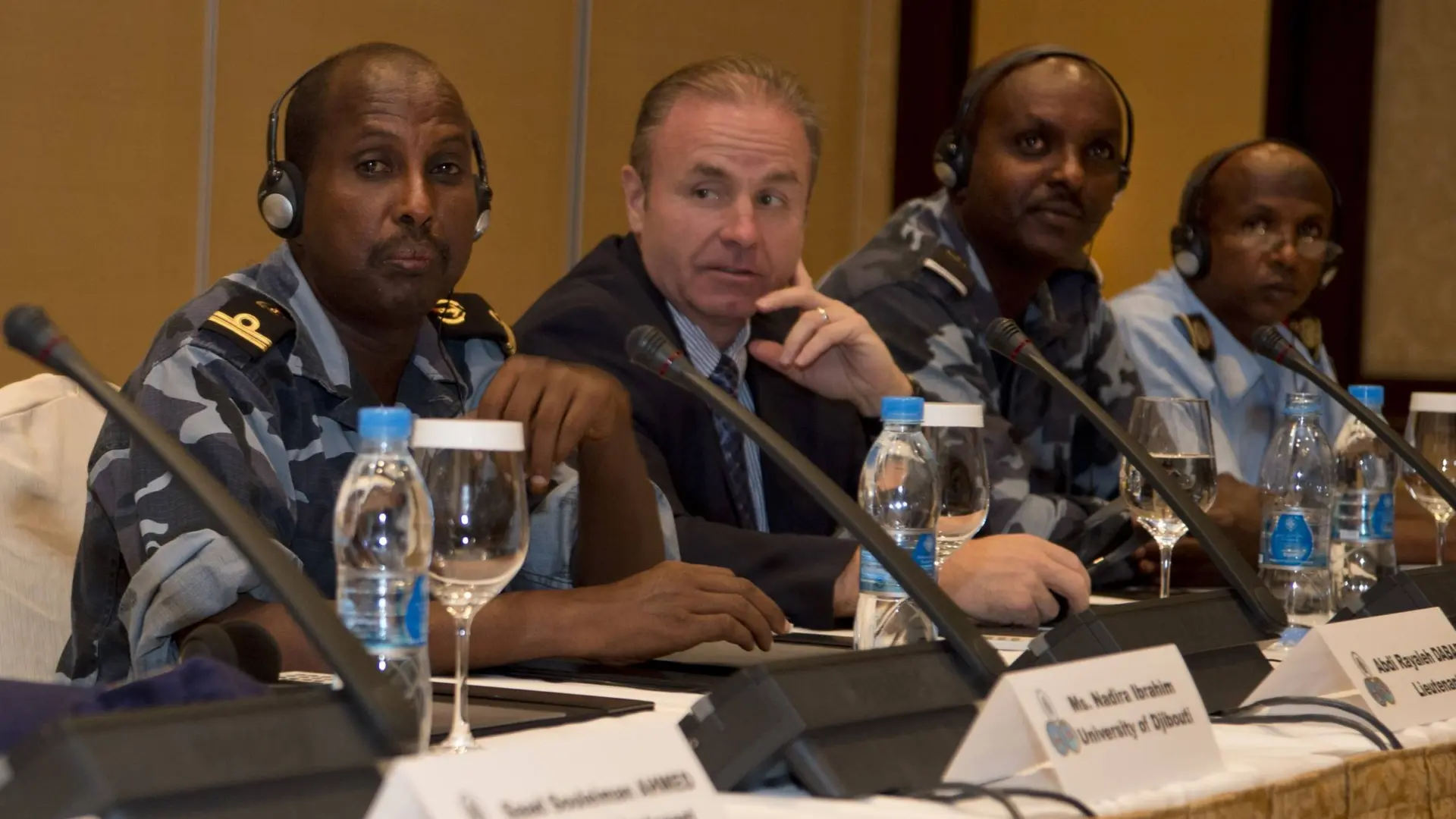
Djibouti shows both the leverage and its limits. It hosts American, French, Chinese, Japanese and Italian military bases simultaneously. The base agreements are commercially significant. They are not strategically controlling. Djibouti does not determine the operational mandate of the forces based on its soil. It hosts them. The distinction matters.
Geography can create bargaining power, but its exercise depends on law, security and the terms of access agreements.
What the Houthi disruption revealed
The Houthi disruption of Red Sea shipping from late 2023 into 2025 illustrates, uncomfortably, what corridor leverage looks like when it is exercised. The Houthis, operating from Yemen with Iranian logistical support, disrupted global supply chains in a way no African coastal state has managed or attempted. Shipping companies rerouted around the Cape of Good Hope. Insurance premiums spiked. Delivery timelines extended by weeks. The economic consequences were global and measurable. The Houthis demonstrated that geography, combined with the will to use it, produces outcomes that reshape global economic behaviour.
No African state is proposing to replicate the Houthi playbook. That is not the point. The global powers responding to the disruption committed naval resources, convened multilateral coalitions and redesigned shipping risk, because the corridor matters to them economically and strategically. The corridor’s importance was never in doubt. What the disruption revealed is how little of that importance has been translated into African leverage.
Why African coordination is weak
The African Union has a 2050 Integrated Maritime Strategy. The question is how effectively members implement and finance it, not whether a doctrine exists. IGAD, the Intergovernmental Authority on Development, is the regional body most directly responsible for the Horn, and its maritime work grew out of the counter-piracy era. The African states along the Red Sea and Gulf of Aden coast are Egypt, Sudan, Eritrea, Djibouti and Somalia. Conflict, fragility and close ties to external patrons, in different measures, have kept them from coordinating a regional governance posture. The corridor that defines their strategic geography is governed by others.
What an African corridor strategy would require
A genuine African corridor strategy would not require a confrontation with the powers that currently manage the waterway. It would require a series of deliberate institutional moves. One is a regional maritime authority with an actual mandate and coordination capacity. Another is a continental position in international forums on the law of the sea and maritime governance that reflects Africa’s geographic stake. A third is agreements on ports and specific maritime services that respect international passage rights. Canal tolls cannot simply be copied onto international straits, because UNCLOS protects transit passage from suspension. The last is investment in the maritime security capacity of Horn of Africa states, sufficient to make African partnership in corridor security a genuine operational contribution rather than a symbolic endorsement of arrangements designed elsewhere.



