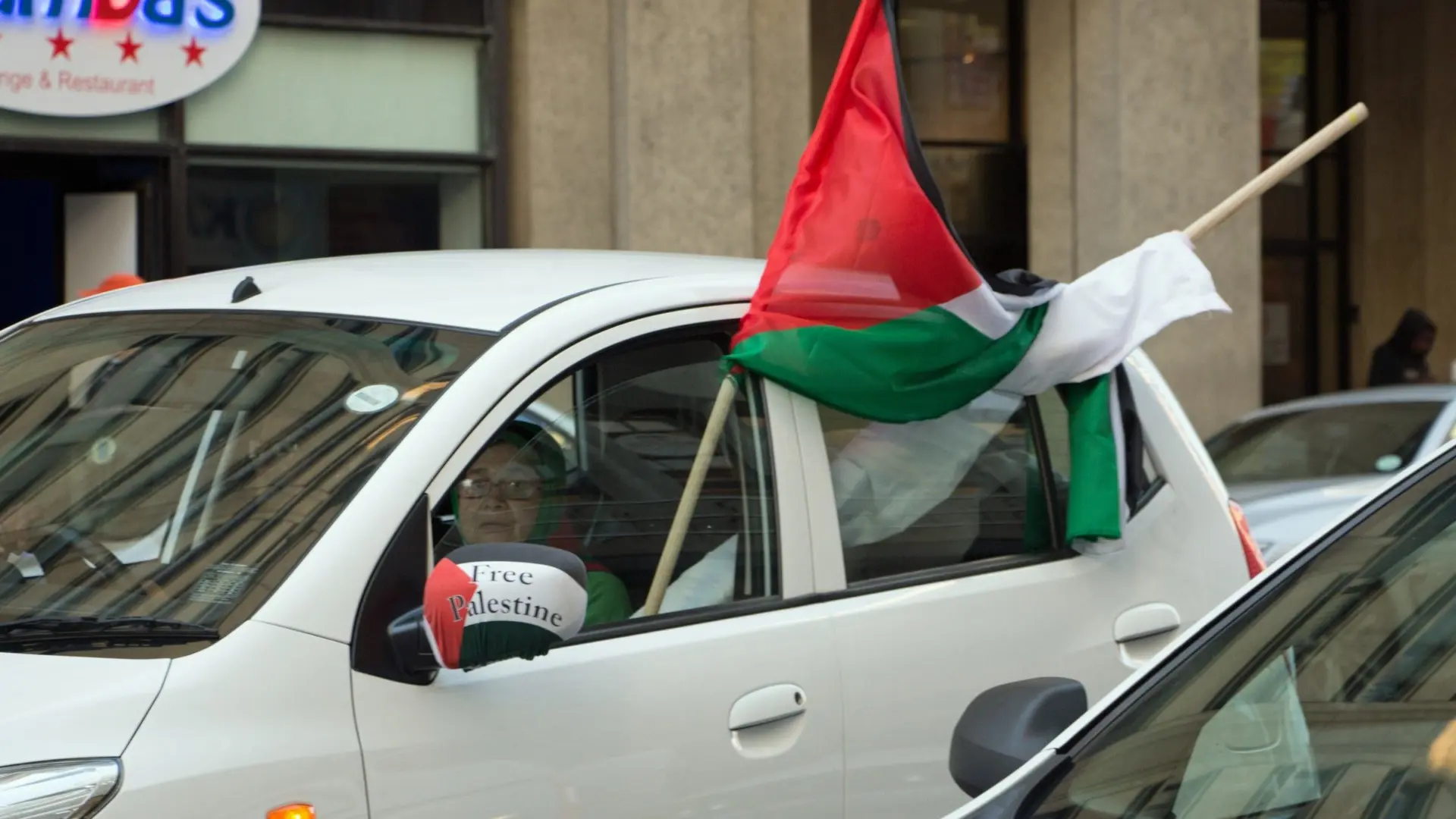
South Africa’s genocide case against Israel at the International Court of Justice turned African solidarity on Gaza into legal action. Israel’s 2024 operation in Rafah, which intensified a humanitarian crisis and disputes about how international law should constrain the war, made the contrast plain. The continent’s most consequential response came from one member state in a courtroom, not from the African Union in a communiqué.
The case Pretoria filed
South Africa filed proceedings against Israel under the Genocide Convention in December 2023. The ICJ issued provisional measures in January 2024 and further orders in March and May. The May order addressed military action in Rafah that could create conditions of life capable of bringing about the Palestinian group’s physical destruction in whole or in part. These interim orders did not decide the merits of the genocide allegation.
The choice of instrument is the part worth dwelling on, because it marks a departure. African bodies have often answered distant conflicts with the communiqué, a resolution affirming rights, deploring violations and calling for restraint. South Africa reached instead for a binding legal forum and filed a case with standing, evidence and consequence. The difference between a statement and a suit is the difference between expressing a position and exercising one. Pretoria did not ask the powerful to behave. It took the dispute to a court, and in doing so showed that the multilateral system can be used by the global South rather than merely lectured to it.
Solidarity and legal action
The African Union’s record on the Palestinian question is one of consistent declaratory support (resolutions affirming Palestinian rights, language about the illegality of the occupation) without the institutional follow-through that would make those declarations consequential. When the most dramatic legal challenge to Israeli conduct in Gaza came from Pretoria rather than from Addis Ababa, it revealed where agency sits. It lies with individual member states willing to act, not with the continental body.
Other governments face a harder balance. Several African states maintain diplomatic and economic relationships with Israel, including agricultural technology partnerships and security cooperation, while facing domestic pressure over the images coming out of Gaza. A government calibrating its Gaza language is calibrating, at the same time, its standing with Washington, its other partners and its own public. Managing those pressures requires a diplomatic dexterity that the scale and visibility of the Rafah operation made increasingly difficult.
The wider diplomatic test
The conflict has also become a test of whether the international legal system applies its own standards consistently. Some of the countries arguing most forcefully for international law to be applied to Russian conduct in Ukraine have resisted comparable measures over Israeli conduct in Gaza. African states that have observed this double standard are drawing conclusions about the relationship between international law and power that will shape their positions in future multilateral debates.
That double standard may prove more durable than any single ruling. A legal order applied selectively is not a neutral system of rules. African capitals have seen this before, in the asymmetry of who gets prosecuted at the International Criminal Court and who does not, and Gaza has refreshed the lesson. The conclusion is not that international law is worthless. It is that international law is an arena, and arenas reward those who show up prepared to use them. That is the lesson South Africa’s filing teaches the rest of the continent.
Rafah has also tested Africa’s tradition of non-alignment, of not taking sides in conflicts between great powers. This is not a conflict between great powers, but one in which great powers are deeply invested on one side, a different situation from the Cold War neutralism that shaped African diplomatic culture. South Africa’s ICJ case shows that there are instruments for principled engagement that carry more weight than statements of solidarity. Whether other African states follow that precedent, or continue to manage the question through diplomatic distance, will define the continent’s position in the evolving order of international legal norms.



