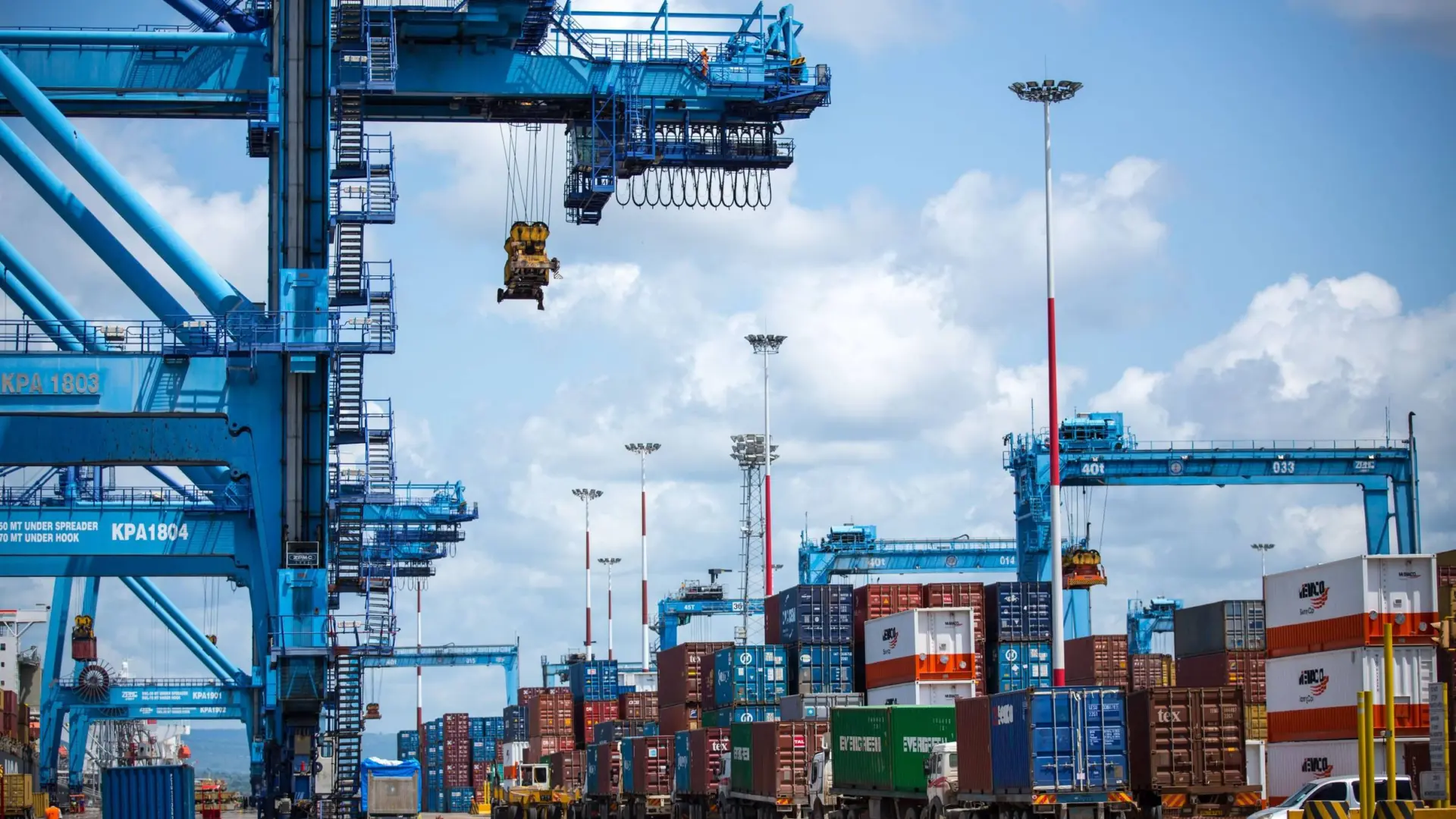
Chinese exports of products such as solar equipment, steel and vehicles can lower costs for African consumers and firms while intensifying competition for local manufacturers. The effects differ by sector, country and stage of production. Assessing the pressure requires trade volumes, comparable prices and evidence of domestic capacity. It does not mean treating every shipment as proof that the continent cannot industrialise.
The appeal of the wave is real and should not be dismissed. A Nigerian trader who can stock affordable solar kits gains something tangible. So does a Kenyan household that can buy a cheaper electric motorcycle, and a Tanzanian builder with access to cheap steel. Lower input costs can speed up electrification and mobility. To treat the inflow purely as a threat would be to repeat the grievance reflex, naming an external force as villain while ignoring the benefit it delivers to the household budget. The cheap panel on the roof is not the problem. What the panel displaces on the way to that roof is.
Where local producers face pressure
A prospective local producer may struggle to compete with an established supplier’s scale, cost structure or subsidies. That does not establish that every imported unit is sold at half the local price, or that protection was the only route every successful industrial economy used. The policy case needs to identify a viable sector, the specific constraint and the conditions under which support could improve productivity.
Industrial support needs a sector-specific case, with a cost, duration and measurable productivity test.
Value can be captured by manufacturers, distributors, workers and consumers in different proportions. Imported equipment can also become an input to African production. The concern is where local firms cannot build capabilities or earn a durable return. It is not that the exchange ceases to be trade because it follows an unequal value chain.
The industrial-policy choices
Possible responses include infrastructure investment, procurement, standards, competition policy and carefully designed support for domestic firms. Tariffs and local-content measures face legal constraints. They can raise prices without delivering a competitive industry if capacity does not improve, which is why no proposal should assume that all protection pays off.
The domestic constraints
There is a symmetric failure to name here, because the openness that lets the wave in is partly a domestic creation. Where ports clear finished imports faster than a domestic manufacturer’s inputs, that is an African choice, not a Chinese imposition. So are energy costs that make local production uncompetitive before a single tariff is considered, and procurement rules that do not weigh local supply. The external pressure is real. So is the domestic architecture that shapes how it lands.
The useful choice is how to obtain affordable imports while building capabilities in sectors where local production is viable. Reliable power, access to finance, regional markets and predictable policy matter alongside trade measures. A sector-specific assessment can show where temporary support is justified and where cheaper inputs help local firms grow.



