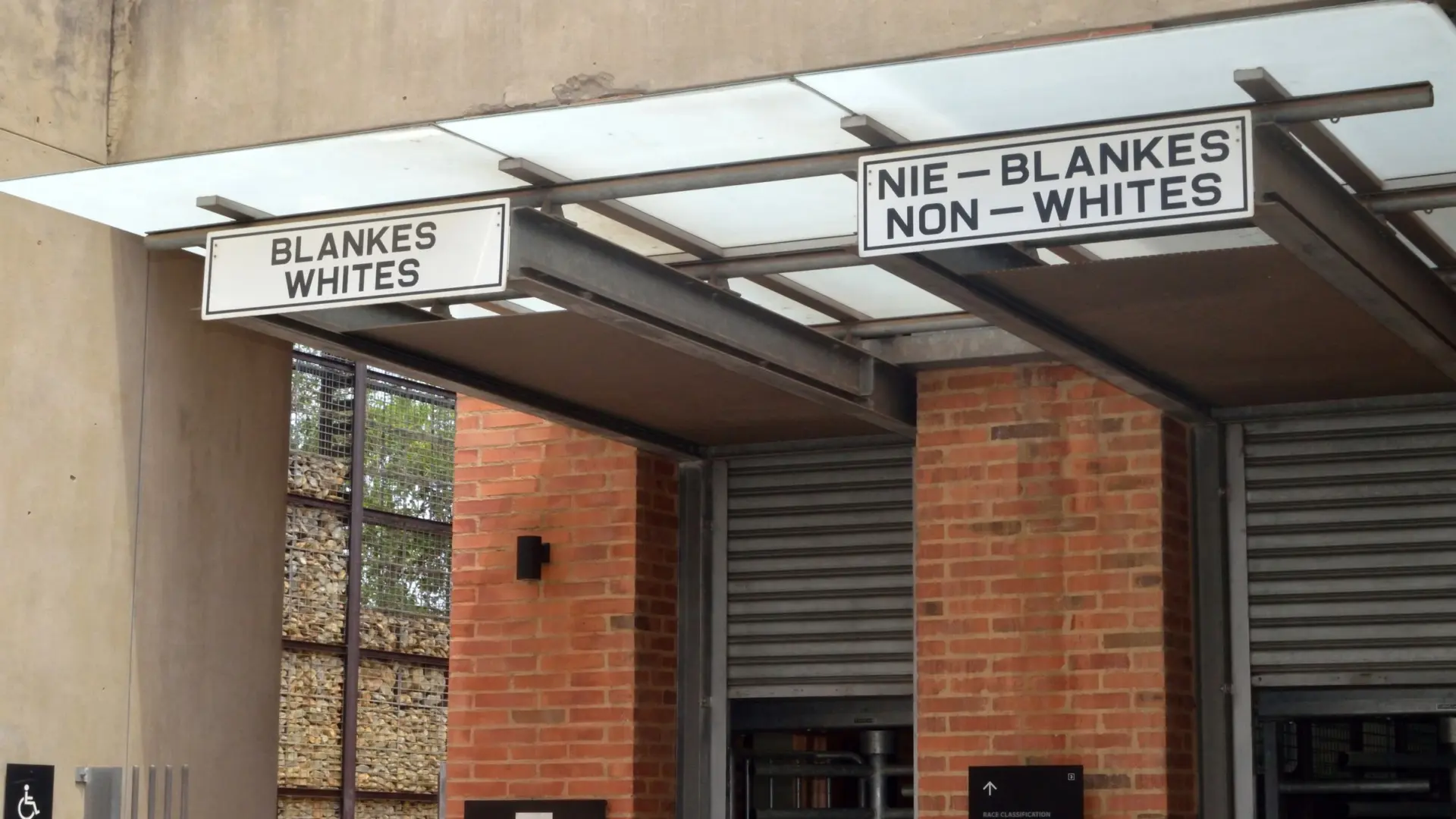
In 1994 South Africa passed from an oppressive apartheid regime to a democracy. Thirty years on, the record is mixed. The country has built strong democratic institutions and a celebrated constitution, and its elections are now genuinely competitive. Yet corruption, mass unemployment and stark inequality still stand between South Africans and the society they were promised.
The promise of 1994
After decades of institutionalised racial segregation, the first elections in which people of all races could vote made Nelson Mandela the country’s first black president. The transition mattered beyond South Africa, because it showed that negotiation and reconciliation could overcome entrenched injustice. The hope it carried was summed up in the phrase “Rainbow Nation”: a society in which people of every background could live together in equality.
Three aspirations stood out:
- Equality, through the dismantling of discriminatory laws and equal rights for all citizens, regardless of race.
- Unity, through reconciliation efforts such as the Truth and Reconciliation Commission and the building of a shared national identity.
- Prosperity, through economic reforms to relieve poverty, reduce inequality and give every citizen the chance of a better life.
Institutions that hold
These aspirations were written into the Constitution adopted in 1996, which is widely regarded as one of the most progressive in the world. It enshrines human dignity, equality and freedom, requires the separation of powers and makes every law and every government action answerable to the Constitutional Court. Parliament has two chambers, the National Assembly and the National Council of Provinces, and the Independent Electoral Commission (IEC) runs elections that have been held regularly since 1994.
The African National Congress (ANC), which led the struggle against apartheid, became the dominant force, alongside parties such as the Democratic Alliance (DA), the Economic Freedom Fighters (EFF) and the Inkatha Freedom Party (IFP). Competition has become real. In the election of 29 May 2024 the ANC’s share of the vote fell to just over 40%, from the 57% it won in 2019, and for the first time since the end of apartheid no party won an outright majority, France 24 reported. The ANC had to enter coalition talks to stay in government.
Corruption and accountability
Corruption has been the deepest drain on public trust. The state has anti-corruption bodies, among them the Special Investigating Unit (SIU) and the Office of the Public Protector, and laws such as the Prevention and Combating of Corrupt Activities Act. Even so, the country has faced a run of high-profile scandals, from the Arms Deal to the state capture allegations involving the Gupta family and state-owned enterprises such as Eskom and Transnet. The Zondo Commission examined them in a report that devoted whole volumes to Transnet and to what it called the “Capture of Eskom”.
The institutions have also shown they can bite. Parliamentary oversight, the Auditor-General, the courts, civil society and the media have all exposed wrongdoing. In June 2021 the Constitutional Court sentenced former President Jacob Zuma to 15 months in prison for contempt, after he defied its order to appear before the Zondo Commission, as The Conversation reported. Zuma had been ousted from power after Cyril Ramaphosa won the ANC leadership in December 2017. The failures lie in the many high-profile corruption cases that have not ended in convictions.
The unkept economic promise
The government’s central strategies have been the Reconstruction and Development Programme (RDP) and the National Development Plan (NDP). Social grants such as the Child Support Grant and the Old Age Pension, and the Expanded Public Works Programme (EPWP), provide a safety net for the vulnerable. The RDP housing programme set out to ease the housing shortage, though meeting demand and ensuring the quality and durability of the houses remain difficult.
Yet the gap between rich and poor remains stark. Black South Africans, particularly in rural areas, remain at a severe economic disadvantage compared with white South Africans. Black Economic Empowerment (BEE) and land reform were meant to close the gap, but critics argue that they have benefited a small elite rather than the wider population.
Unemployment is the most pressing failure. World Bank data based on International Labour Organization estimates put unemployment at 32.4% in 2025, and youth unemployment, among those aged 15 to 24, at 59.9%. The COVID-19 pandemic made matters worse. Skills programmes, support for small businesses and industrial policy have had mixed success, and structural problems in the labour market persist.
Basic services remain uneven too. Many communities still lack reliable clean water, electricity and sanitation, and corruption, mismanagement and limited capacity continue to hold back delivery.
A mixed record
South Africa has built the institutions of a working democracy, and in 2024 its voters showed they can use them to humble a dominant party. What it has not yet built is the shared prosperity that 1994 promised. Any assessment of its democratic journey must recognise both the achievements and the continuing struggle to build a more equal and just society.



