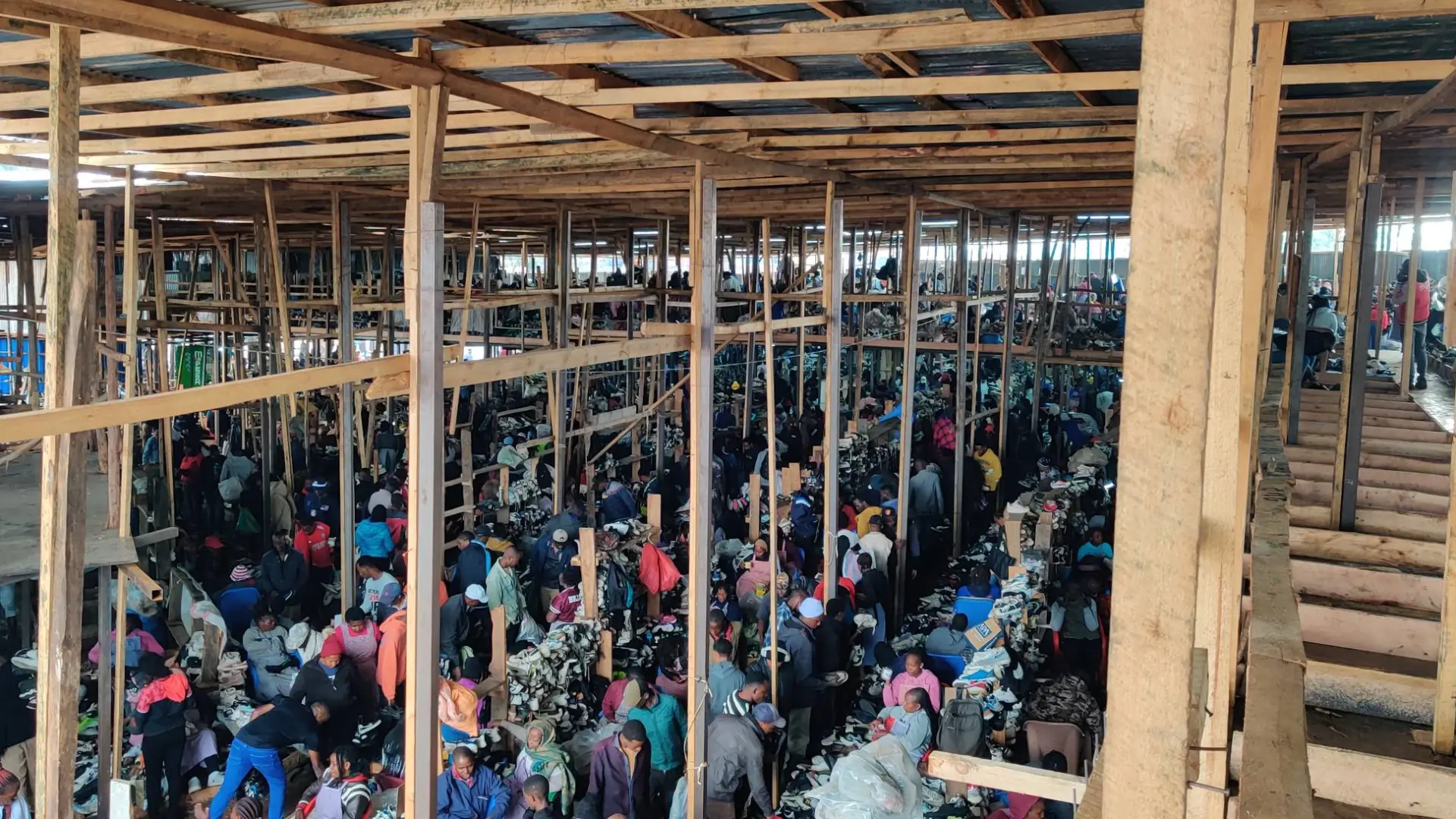
Small and medium-sized businesses create work, serve local markets and connect households with the wider economy. Their contribution depends on survival and productivity as well as the number of ventures established.
A new enterprise can bring income and opportunity. Its closure can affect employees, suppliers and the owner’s household. An employment strategy therefore needs to examine jobs retained and lost alongside announcements of jobs created.
The figures used to describe the sector also need care. Definitions of micro, small and medium-sized enterprises differ, and statistics on business numbers, output and employment do not measure the same thing.
Finance must fit the business
Working capital is a common constraint for a firm that pays for inputs before receiving money from customers. A new business may also struggle to demonstrate a trading record or provide the collateral a lender requires.
Family and friends can help finance an initial idea, but that support may not continue until the enterprise becomes self-sustaining. The timing and reliability of funds matter alongside their amount.
More borrowing is not always the answer. Finance needs to match the activity being funded and the business’s capacity to repay. A short-term obligation may be unsuitable for an investment that produces returns only over a much longer period.
Support that helps an owner organise records, assess costs and plan cash flow can improve the use of available finance. It should accompany a realistic assessment of demand rather than encourage debt for its own sake.
Management skills need attention
Technical ability or a promising idea does not automatically provide all the skills required to run a growing organisation. Purchasing, staffing, financial control and customer service place different demands on management.
Affordable, practical training can help owners identify weaknesses and respond before they become a crisis. Advice should reflect the size and circumstances of the firm, rather than assume that every enterprise can adopt a large company’s systems.
Technology can support those tasks, but a new application is useful only where people can use it reliably and understand the information it provides. The recurring cost of a service also belongs in the decision.
Infrastructure affects everyday costs
Poor roads, unreliable power and inadequate market facilities can make a viable activity difficult to sustain. For a rural producer, the cost of reaching a buyer may determine whether an improved product generates any additional income.
Public investment needs to consider those ordinary connections. A prominent project may do less for local enterprises than dependable access, maintenance or a service that removes a persistent operating problem.
Regulation and tax administration should also be clear and predictable. Businesses have obligations to comply, while authorities need fair procedures for assessments, enforcement and disputes. A disagreement should be resolved through evidence and the applicable process, rather than treated as proof of either wrongdoing or persecution.
Survival needs to be measured honestly
Reports of business closures raise important concerns, but a closure count cannot simply be multiplied by an assumed number of employees to produce a reliable estimate of jobs lost. Information about actual staffing and changes elsewhere in the market is necessary.
Policies intended to improve survival should therefore track results over time. Training, finance and infrastructure address different constraints, and a business may need more than one form of support.
Kenya’s smaller enterprises should be able to grow through useful products and competent management in a workable environment. Supporting that process requires attention after the opening day, when the costs and responsibilities of staying in business become clear.



