Opens in a new tab

Topic

Digital economy

Fintech, mobile money, start-ups, payments

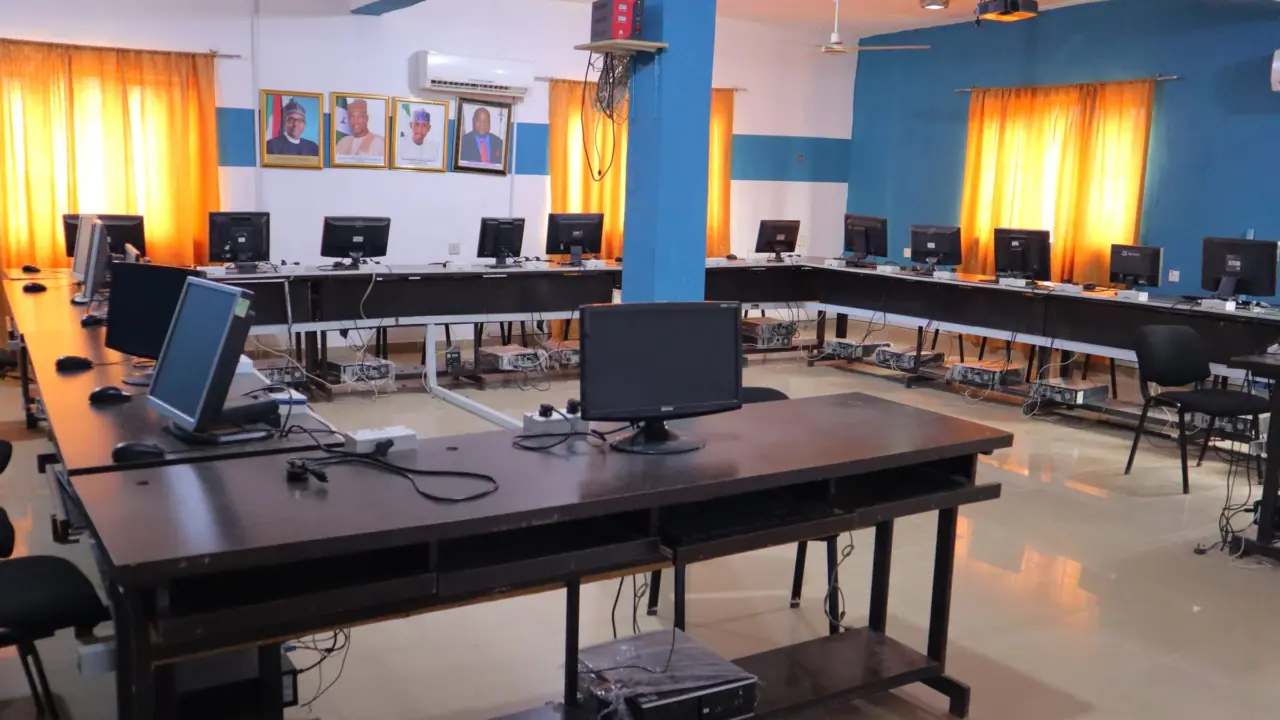
Rows of desktop computers on long desks in an empty e-learning centre at a Nigerian polytechnic.

Technology

Miva’s expansion raises questions about accreditation, access and graduate outcomes

Miva Open University, part of the edtech group uLesson, gained full accreditation for twelve programmes in 2025, part of a steady shift of Nigerian credential authority into private hands. Periodic accreditation cannot match continuous enrolment, and students carry the risk if employers discount the degrees.


By Alao Abiodun · · 6 min read

Latest in Digital economy

A Sterling Bank agent banking kiosk in Mojoda, Nigeria, with an advertisement reading "No need to waka go bank!".

Technology

Nigeria’s agent banking rule trades redundancy for traceability

Agent banking in Nigeria runs through more than two million agents and 5.9 million active terminals, yet the layer carries no systemic designation. The CBN's single-principal rule, in force since 1 April 2026, improved accountability but removed accidental redundancy, concentrating continuity risk in towns served by one agent.

Kiraithe Daniel Mutemi ·

A Badili staff member in a teal company shirt shows a boxed refurbished smartphone to a customer in a Badili store.

Technology · Explainer

Badili’s refurbishment model highlights the distinction between used phones and waste

Badili, founded in Kenya in 2022, refurbishes used phones and resells them with a verified condition rating. Consistent grading, repair and warranty turn an unpriceable second-hand device into a trustworthy one, and help separate legitimate reuse from e-waste shipped under the same customs description.

Kiraithe Daniel Mutemi ·

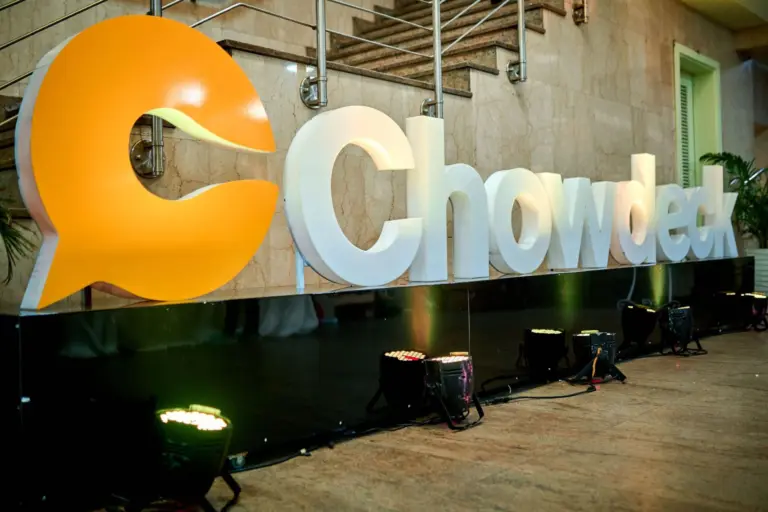
A large Chowdeck logo sign on a black plinth at an indoor event, lit by stage lights.

Technology · Explainer

Chowdeck’s growth puts delivery dispatch transparency on Nigeria’s agenda

Delivery platforms use algorithmic management to assign work, set pay and shape the cost of refusal. Chowdeck, which reports more than 22,000 riders, does not publish how its dispatch works, and Nigeria has no platform-work law. Transparency is a demand regulators can act on before classification is settled.

Victoria Akindele ·

Pretoria’s city centre with the dark South African Reserve Bank tower on the right, carrying a banner for new banknotes.

Technology

Stitch’s Efficacy acquisition expands access to South African card acquiring

Stitch's July 2025 purchase of Efficacy Payments brought a designated clearing-system participant into the group, one of very few non-banks able to clear directly on South Africa's payment rails. Where market entry depends on a permission, competition can shift from products to acquiring companies already inside.

Kiraithe Daniel Mutemi ·

Software developers work on laptops at shared desks in the Andela office in Lagos, Nigeria.

Technology

Fifteen African startups building payments, logistics and data services

Sorted by the layer of the economy they occupy rather than money raised, fifteen African startups from Moniepoint to Lelapa AI show that payments, medicine, freight, retail credit and data infrastructure is being built cheaply, often outside the Big Four, and may not stay African-owned.

Kiraithe Daniel Mutemi ·

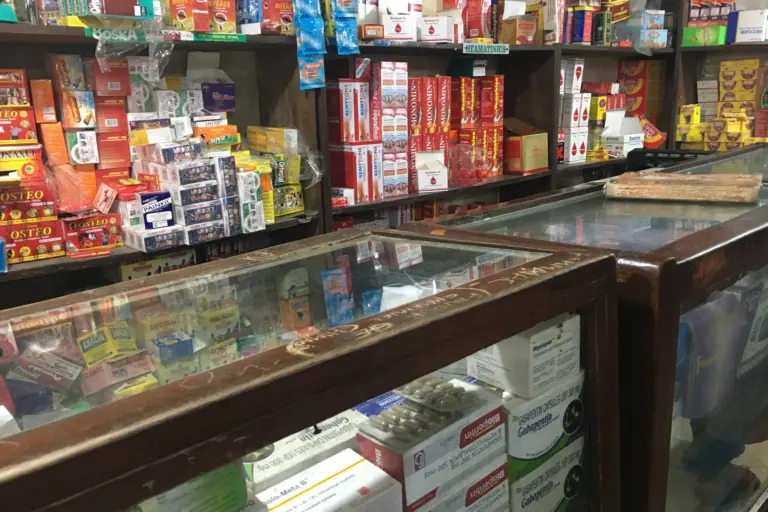
Glass display counters and wooden shelves stacked with boxed medicines inside a local pharmacy in Epe, Lagos State.

Technology

Pharmacy finance gives Remedial Health influence beyond medicine delivery

Remedial Health's inventory finance is turning a Nigerian pharmacy-ordering platform into an underwriter whose credit decisions increasingly shape which outlets and medicines are stocked, a health function that sits between medicines regulators and financial supervisors.

Daniel Whyte ·

Earlier in Digital economy

Satellite internet tests Africa’s telecom licensing choices

African governments are licensing low-earth-orbit satellite internet in sharply different ways, from refusal to quick approval to partnerships with incumbents such as Airtel and Vodacom. Regulators keep leverage by treating market access as a negotiation over enforceable conditions on data, universal access and pricing.

Victoria Akindele

Telecom network APIs bring fraud checks and new oversight questions

Through standardised network APIs such as the GSMA Open Gateway, African mobile operators are becoming the verification layer for fintech, supplying SIM-swap, location and number checks. That makes them public-interest infrastructure needing fair access pricing, interoperability and data-protection oversight.

Kiraithe Daniel Mutemi

Cross-border payments remain an unfinished part of Africa’s mobile money story

Africa's mobile money networks were built as domestic systems, so payments between African currencies still route through correspondent banks and card networks abroad. PAPSS, the African Export-Import Bank's local-currency settlement system, is the first infrastructure with the mandate to close that gap.

Michael Chisamba

Starlink challenges telecom regulation across Africa

Starlink's satellite broadband reaches communities fibre and towers never did, but it decouples coverage from sovereign control, leaving African regulators facing a foreign network they cannot inspect, tax at source or restrict without cutting off connectivity their citizens want.

Kiraithe Daniel Mutemi

Africa’s data centres expand while cloud control remains concentrated

Hyperscale cloud regions in Johannesburg and Cape Town, colocation and new subsea cables have expanded Africa's digital infrastructure, but control remains concentrated. Data localisation laws in Kenya, Nigeria and South Africa have moved servers without moving power, because a few American firms still run the compute.

Kiraithe Daniel Mutemi

AI adoption depends on data, skills and reliable infrastructure

The AI readiness gap in African enterprises is less about access to tools than about the conditions that make them useful: structured data, technical skills and reliable power. Where those preconditions are weak, AI amplifies the weakness, and gains may concentrate in large firms rather than smaller enterprises.

Kiraithe Daniel Mutemi

Airtel Money’s listing timetable highlights market risks for fintech

Airtel Africa's delay of the Airtel Money IPO into the second half of 2026, blamed on market conditions rather than performance, shows that African fintech growth remains tied to global capital cycles. Who funds the next phase will shape who owns the continent's financial infrastructure.

Adedoyin Shittu

Foreign-currency cloud costs expose Nigerian digital businesses to risk

Nigeria's digital economy is building on infrastructure it largely does not own, with dollar-priced cloud costs and foreign-operated subsea cables. With the naira losing about seventy per cent of its value between 2021 and 2024, that dependency squeezes margins for businesses that earn in naira.

Victoria Akindele

Africa’s digital expansion raises questions about who controls the infrastructure

Sub-Saharan Africa handles two-thirds of global mobile money value, yet much of the digital infrastructure in Africa, from subsea cables to cloud regions and AI training data, is financed or run by foreign firms. Data laws in Nigeria, Kenya and South Africa exist; enforcement and coordination decide how much of Africa's digital sovereignty is real.

Victoria Akindele

Africa’s digital economy needs a closer accounting of ownership and value

Africa's digital economy risks repeating the oil trap, with users generating data while the platforms, cloud and AI systems that capture its value are owned abroad. Rwanda, Egypt and Nigeria have begun building the missing refinery, but infrastructure, platform, talent and diplomatic action must come together.

Kiraithe Daniel Mutemi