The distribution of Nobel prizes can prompt questions about research opportunities, but it is a limited measure of scientific capacity. This analysis argues that a stronger assessment examines sustained funding, laboratories, research careers and the ability to set locally relevant agendas, and that Africa’s gap is one of institutions, not talent.
What the count measures
Counting laureates by birthplace, nationality or research institution produces different results. Any comparison must define its categories and distinguish science prizes from peace and literature rather than treating one aggregate percentage as a verdict on a continent.
Why capacity compounds
South Africa leads the continent’s laureate count for structural reasons. It developed, under apartheid and through its post-apartheid universities, research institutions that received sustained investment compared with the rest of sub-Saharan Africa. The moral complexity of that legacy does not diminish the analytical point. Research capacity compounds. It requires generation after generation of scientists training other scientists, and departments producing papers that attract funding, which in turn attracts talent. Egypt, which accounts for the second-highest African laureate figure, has similarly sustained research universities over a longer timeline. Research excellence is not sudden. It is accumulated.
What holds research back
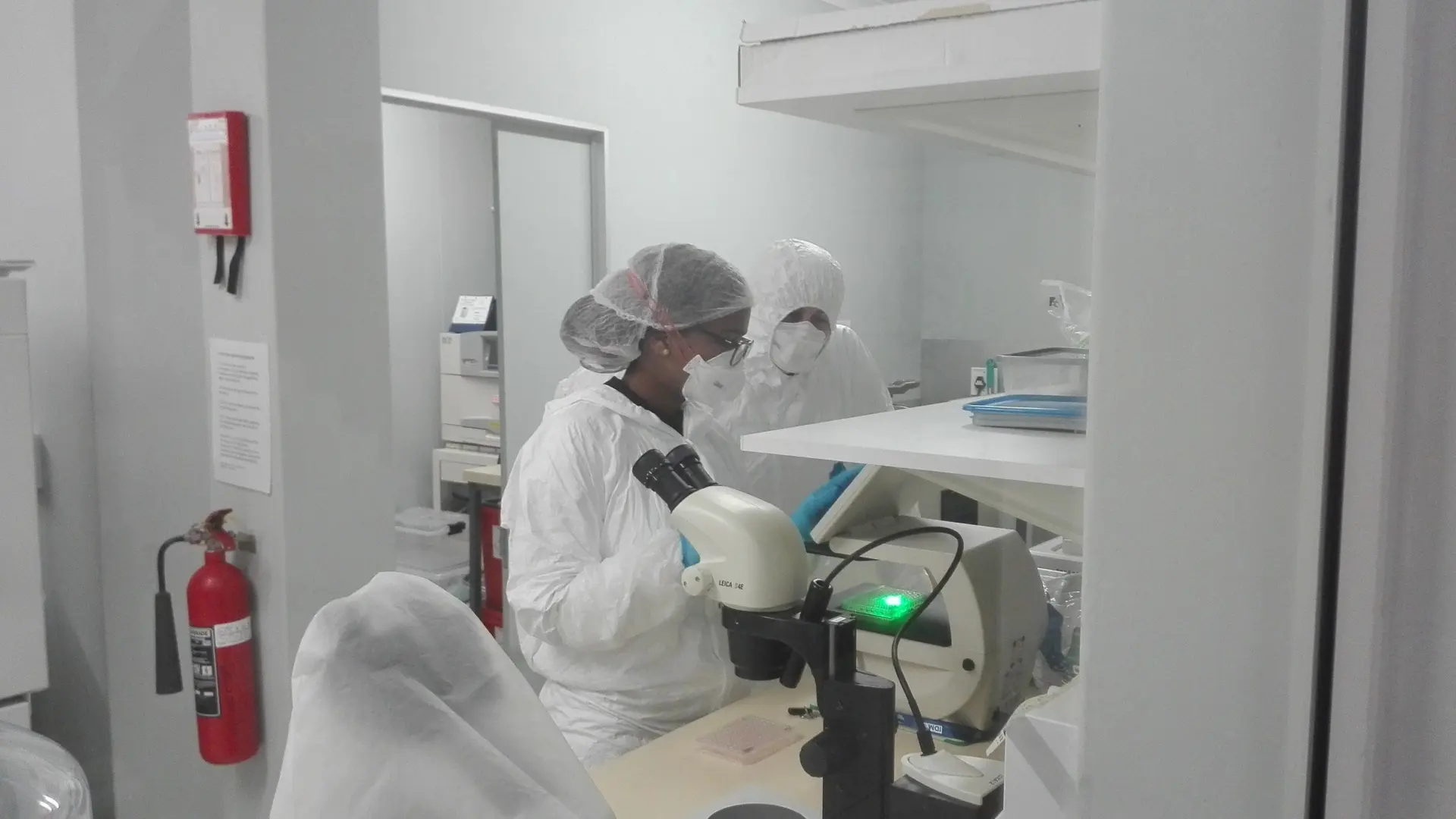
The barriers are material before they are cultural. African scientists publish, collaborate internationally and win recognition at levels below the Nobel. Laboratories need a reliable electricity supply. Research needs internet connectivity that does not fail at critical moments. Careers in science need salary structures that do not force young researchers to choose between academic ambition and household survival, and researchers need time and incentives to pursue work beyond immediate teaching and consulting demands.
A spending target alone is insufficient without attention to the quality, continuity and governance of that investment. Strengthening research requires sustained funding, career support and institutions that can maintain facilities and international collaboration.
Wole Soyinka, who won the Literature Prize in 1986, shows one domain where African intellectual production has reached the global summit without the infrastructure of Western research institutions. Literature and experimental science require different forms of support, but both depend on institutions and opportunities. This is not an argument for accepting the gap as natural. It is an argument that closing it requires a different order of investment than cultural representation. The continent has the intellectual raw material. It has not yet built the institutional environment in which that material can be worked into Nobel-grade research.
Why it matters beyond prizes
The recognition framing obscures a sovereignty argument. A continent that does not produce its own frontier research does not merely lose prizes; it loses the power to set the questions. The drugs developed elsewhere are priced elsewhere, the patents filed elsewhere are owned elsewhere, and the standards written in foreign laboratories become the terms African economies must meet without having shaped them. Closing the research gap is therefore not a vanity project measured in medals. The brain drain is the Nobel gap in motion, one departing researcher at a time.
A governance choice
The policy path is known: mutual recognition agreements between African universities, prioritising STEM investment in national budgets over less strategically critical spending, and building research institutes that are permitted to pursue discovery rather than immediately applicable outcomes. These are political choices that have consistently been deferred in favour of expenditure with shorter political payback periods. The Africa Nobel Prize gap is, at its foundation, a governance gap. The countries that strengthen research capacity will not do so by accident.



