Plastic has long ceased to be a wonder. It has become our nemesis. Take a walk round the streets of Lagos and see how plastic has become an environmental eyesore. The qualities that made it admirable, its cheapness and its durability, are the same ones that have made it a nuisance.
Yet action to curb plastic pollution in Nigeria has moved at a snail’s pace. The country has become over-reliant on single-use plastic, treating it as a disposable material rather than a resource to be harnessed. This piece argues that Nigeria must regulate, make producers responsible for recycling and back alternatives to single-use plastic.
Plastic is cheap, sterile and convenient. Without it, many possessions we take for granted would be out of reach for all but the richest. Plastic made possible computers, mobile phones and many of the life-changing advances in medicine. Replacing natural materials with plastic has made many of our possessions cheaper, lighter, safer and stronger.
Plastic is made from long, repeating chains of molecules, called polymers, derived from fossil fuels. It can be engineered to suit almost any function. Polymers also exist everywhere in nature, in human hair, wood, silk, skin and DNA, to mention a few.
Plastic waste is in every nook and cranny of our cities and towns. The most common items are drinking bottles, bottle caps, food containers, food wrappers, grocery bags, lids, straws and stirrers, and foam takeaway packs.
Around the world, one million plastic drinking bottles are bought every minute, not counting other soft drinks and beverages, while up to 5 trillion single-use plastic bags are used every year, according to UN figures released for World Environment Day 2018. Some plastics can take up to a thousand years to break down.
The life cycle of plastic
A plastic item begins life when crude oil and natural gas are extracted and processed into monomers. The monomers are bonded into long polymer chains and formed into pellets. These pellets are melted in factories and moulded into the desired shapes.
The plastic and its contents are sold and the contents consumed. Afterwards the empty container is unceremoniously discarded. Three things can then happen to it.
Recycled
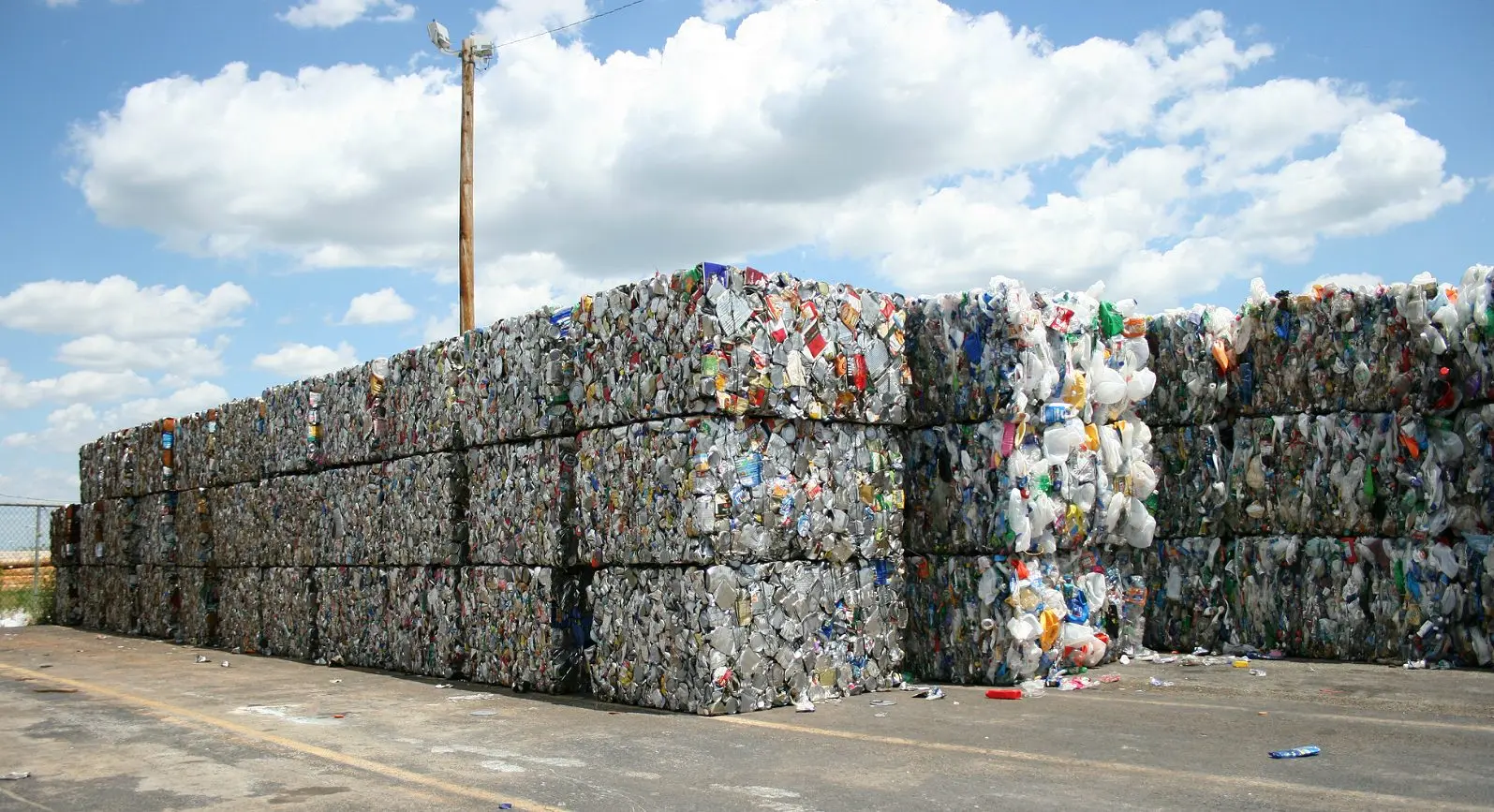
The container can be recycled and used again. Bottles are collected and sent to a recycling plant. After sorting, bottles of the same type are squeezed and compressed into a block. The block is shredded into tiny pieces, then washed and melted into raw material that can be used again. But this is the exception. Of all the plastic waste generated up to 2015, a 2017 study in Science Advances estimated that only 9% had been recycled. About 12% had been incinerated, and the remaining 79% had accumulated in landfills, dumps or the natural environment.
Buried in landfill
Like hundreds of millions of other plastic items, the container could end up in a landfill, taking up space under layers of rubbish. When it rains, the water absorbs soluble compounds from the plastic, some of which, such as bisphenol A (BPA) and phthalates, are toxic. This creates a harmful liquid called leachate.
Research has shown that BPA interferes with the human hormonal system, which regulates growth and development, metabolism and reproduction. Bis(2-ethylhexyl) phthalate, the most common phthalate, known as DEHP, is classed by the International Agency for Research on Cancer as possibly carcinogenic to humans, although human studies remain inconclusive.
Leachate moves into groundwater, soil and streams, poisoning ecosystems and harming wildlife. It also threatens soil fertility and, in the end, the food supply.
Washed into the ocean
The container could find its way into the ocean. Millions of tonnes of plastic end up in the ocean every year, much of it carried by the world’s rivers, which serve as direct dumping grounds for city rubbish. On current trends, the oceans will hold more plastic than fish by weight by 2050, according to a 2016 report by the Ellen MacArthur Foundation with the World Economic Forum.
After months adrift, floating plastic is drawn into the zones where ocean currents gather rubbish, the best known being the Great Pacific Garbage Patch. Some animals mistake brightly coloured and transparent plastic for food. Ingested plastic can block digestive tracts, damage the stomach lining or reduce the urge to feed, so that the animals starve to death.
Toxins from the plastic travel up the food chain when other animals feed on them. In February 2018 a young sperm whale was found dead on the coast near Murcia in Spain with 29 kg of plastic in its stomach, including bags, a jerry can and pieces of rope and net.
Plastic in our bodies
Whether in a river, an ocean or on land, plastic waste persists. Most plastic never fully disappears, because it is not biodegradable. It only breaks into smaller and smaller pieces known as microplastics.
Microplastics have been found in honey, sea salt, beer, tap water and household dust. In US testing, 8 out of 10 babies and nearly all adults had measurable amounts of phthalates in their bodies, and BPA was detected in 93% of urine samples tested.
How governments regulate plastic
Some developed countries have taken drastic measures. In Ireland, for instance, shoppers must pay for plastic bags, and the money raised goes into a fund for tackling plastic pollution and other environmental problems.
Some African nations have also taken giant steps. The governments of Rwanda and Kenya have banned the manufacture, use, sale and importation of plastic bags. Paper bags have replaced plastic ones, and citizens are encouraged to use reusable cotton bags.
Nigeria, by contrast, has no serious measures in place to regulate the use and production of plastic, despite the large and growing volume of plastic pollution it generates. In May 2019 the House of Representatives passed a Plastic Bags (Prohibition) Bill, which proposed a fine of up to N500,000, a prison term of up to three years, or both, for individuals, and fines of up to N5 million for companies. It still needed a third reading and presidential assent before it could become law.
The growing volume of plastic waste has blocked drains, canals and gutters. This has worsened flooding.
What Nigeria should do
There should be stringent laws to ensure that plastic manufacturers and recyclers use safer chemicals, pay attention to the type of plastic they reprocess, and follow the rules on recycling. Those that fail to comply should be fined.
There should also be tougher regulation, and penalties, for companies that produce or use plastic materials, particularly single-use ones. As in Japan, South Africa and Germany, manufacturers of PET bottles should bear the responsibility for recycling used bottles.
Environmentally friendly alternatives such as bioplastics should be promoted to replace synthetic polymers.
Government should offer incentives to individuals and companies that want to go into plastic recycling, and fund more research into how plastic can be recycled efficiently and in larger quantities.
Plastic holds a valuable place in our lives and cannot be eradicated from society. But reducing its use, above all of single-use plastic, deserves serious consideration.
Since this article was first published, Lagos has moved ahead of the federal government. On 21 January 2024 the state announced a ban on Styrofoam and other single-use plastics, and after a grace period it began full enforcement on 1 July 2025, covering Styrofoam food packs, plastic straws, disposable cups and cutlery, lightweight nylon bags and single-use plastics under 40 microns thick.



