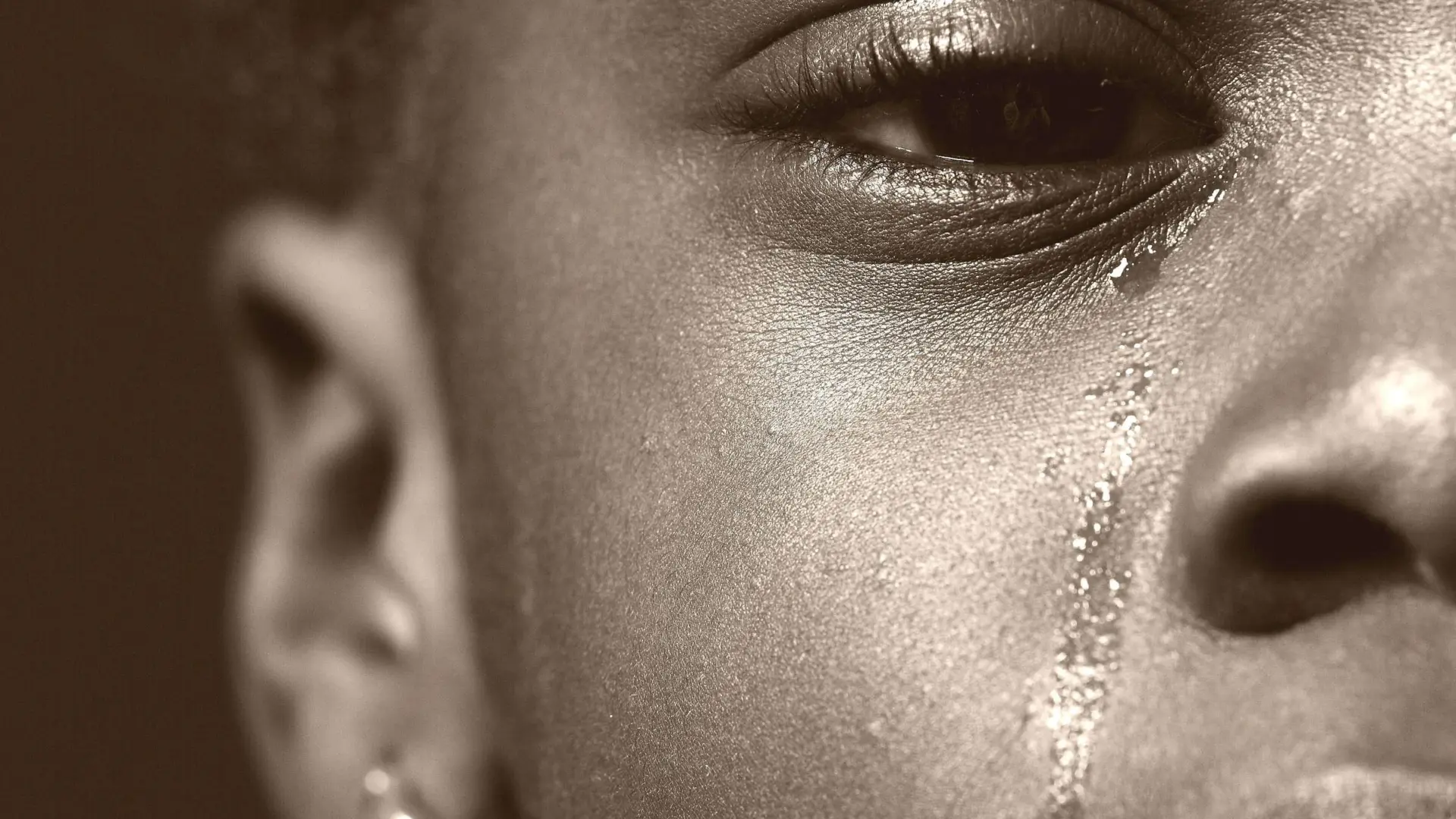
In Nigeria’s Niger Delta, children accused of witchcraft are beaten, abandoned and sometimes killed, often after a preacher has named them and offered the family a cure for a fee. This article sets out how that trade works and what it has done to individual children, and argues that a law against it has done little to stop it.
Belief in witchcraft is widespread in the region. Sickness, poverty, a lost job, a daughter with no suitor or a sudden death can all be blamed on a witchcraft attack, even when the cause is medically known. When blame is looked for, children are among the easiest people to hang it on.
Witch branding in the Niger Delta
A female victim is called a witch and a male victim a wizard. Witches and wizards are believed to possess diabolical powers to attack anyone they choose, and virtually every misfortune is attributed to them.
Religion is everywhere in the region. Al Jazeera has reported that it is said to have more places of worship per square mile than anywhere else on earth. The hunt for child witches has grown with the spread of Pentecostalism, and it has made money for the preachers who lead it. A pastor who names a child as a witch can then sell the family the cure, an exorcism or “deliverance”, at a price.
Some of these preachers cite Exodus 22:18, “Thou shalt not suffer a witch to live”, in support of what they do.
Helen Ukpabio is one of these powerful evangelical preachers. She is the founder and head of the African evangelical franchise Liberty Foundation Gospel Ministries, runs the Liberty Gospel Church and has carved a niche for herself preaching about witches and demon children. She has made a series of films promoting the view that children can be agents of Satan and can kill. Her company, Liberty Films, says its work “delivers the truth in a fresh and exciting way”. Her best-known film, “End of the Wicked”, shows children eating human flesh. The film was blamed at the time for a surge in witchcraft accusations against children, as Al Jazeera reported. Ukpabio rejects the charge that she harms children. “Someone with a gift like me can never hurt anybody,” she told the Telegraph.
The preachers’ trade was laid bare in Saving Africa’s Witch Children, a documentary in Channel 4’s Dispatches series first shown in November 2008. In it a preacher who calls himself “the Bishop” tells the film-makers, as the Telegraph reported, “I killed up to 110 people who were identified as being a witch.” His remedy for a child is “African mercury”, a mixture of pure alcohol and his own blood, which he pours into the child’s eyes. The Organization for World Peace put his fee for deliverance at 400,000 naira, and the Telegraph reported that he holds children captive until the bill is paid. Public denunciation is a common pattern. A preacher names a child as a witch in front of the whole congregation, and the family must then pay for an exorcism or face the consequences.
Stories of children accused of witchcraft
In Akwa Ibom, an eight-year-old girl abandoned by her family after being accused of witchcraft began sleeping in the market square. A 40-year-old man believed to be mentally ill took her to live with him in a shanty and raped her repeatedly. Police officers, led by the humanist campaigner Leo Igwe, rescued her, according to his January 2011 report for the International Humanist and Ethical Union.
Two eight-year-old children from the state, a girl and a boy, told Punch, in a report carried by BellaNaija in October 2014, how relatives turned on them after deaths in their families. Both were beaten and driven out of their homes.
The girl’s family held her responsible for her uncle’s death. He had died of an illness many people took to be AIDS, and her relatives accused her of “sending” the virus to him.
“The people in my family called me and started asking me whether I was a witch and why I killed my uncle. I told them that I did not know anything about what they were talking about. They started beating me. They hit me with cutlasses. They cut my buttocks with knives. After the beating became too much, I lost consciousness. Later, I woke up to find myself in a bush. I have been living on the streets since last month without food and shelter,” she said.
The boy had lost both parents to what was described as a “strange ailment”. His uncles then called him a wizard and blamed him for the two deaths.
“My uncles’ told me that they went somewhere to find out why my parents died. They said they were told that I killed both of them through witchcraft. They tied my hands and started beating me up with native sugarcane and asked me to confess”, he said.
In another case in Akwa Ibom State, according to a report carried by Modern Ghana, a six-year-old boy accused of being a wizard whose assignment was to impoverish his parents was allegedly killed by his stepfather. He had been thrown out of the house for three days and had not eaten. One night he crept into the backyard to ask his sister for some food. The stepfather is said to have chased him with a cutlass and killed him. The man was arrested, but the report said he was released the following day without being charged.
A non-governmental organisation, the Basic Rights Counsel Initiative (BRCI), described to Al Jazeera the case of three children, aged between seven and 13, whose father had branded them witches and locked them in a poorly ventilated storeroom without food for several days. The group’s founder said the police had taken no action against the father.
Another abandoned toddler accused of witchcraft was rescued by Anja Ringgren Lovén, a Danish humanitarian worker who runs the African Children’s Aid Education and Development Foundation, a charity dedicated to helping abandoned children. When he was rescued, his condition was critical. He had worms and severe kwashiorkor, and malnutrition had deprived him of nutrients a growing child needs for the brain to develop properly. With constant feeding and care, he developed normally.
Superstition, greed and a lenient law
These cases have a pattern. The children are harmed by the people who should protect them, and the accusation can rest on almost anything, from a relative’s death to an adult’s lost job. Sometimes no reason is needed at all, and a preacher uses the charge of witchcraft to take money from frightened parents.
There is a law that criminalises the stigmatisation of a child as a witch. In the author’s view it is applied too leniently, and many of the preachers who profit from accusations have never been prosecuted. Two of the cases above ended with the police releasing a suspect or taking no action. The result has been room for more self-styled deliverers who “exorcise” witchcraft from children for a price.
It is time the government took children’s basic rights seriously, enforced the law it already has, and put a stop to the abuse being committed against children in the name of witchcraft.



