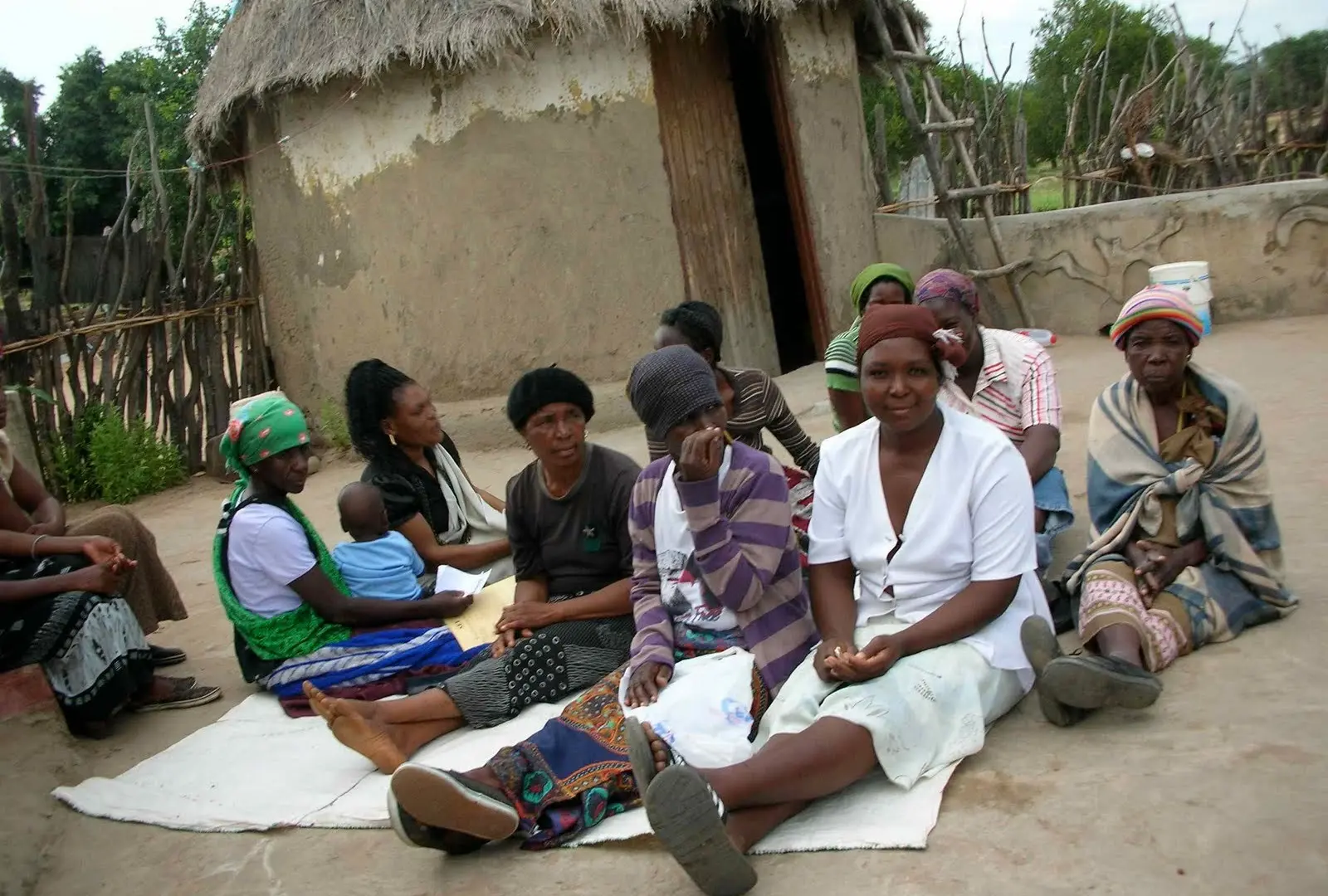
Microfinance has spread rapidly across Africa as a way of funding small projects, on the promise that it would generate income and lift the poor out of poverty. The record is uneven. In South Africa, in the author’s assessment, microcredit has done real harm to the poorest borrowers, because a loan that cannot be repaid leaves a poor household poorer still. That is why the question of who should receive credit, and who should instead receive help, matters as much as how much is lent.
The South African experience
South Africa shows how badly microcredit can fail the very poor. It was expected to bring jobs, income, empowerment and dignity quickly to the poorest black communities and townships, and hopes ran high. The outcome fell short, for two reasons.
First, microcredit was meant to finance the smallest income-generating activities, but in practice it has increasingly financed consumption, giving the poorest a costly and high-risk way of paying for their immediate needs. Many borrowers have repaid by selling household possessions, borrowing from relatives and friends, or taking out new microloans to clear old ones. Borrowing to meet day-to-day spending, the author argues, can trap households in chronic poverty.
Second, the businesses microcredit creates rarely grow. The townships of late-apartheid South Africa already had a large informal economy of street traders, hawkers with barrows and small township shops known as spaza shops, simple, under-capitalised enterprises that do not expand. Adding more of them brought the poorest communities little lasting benefit, in the author’s view.
How microcredit works
Many arrangements have been tried, involving NGOs, commercial banks, savings and loan companies and new kinds of institution previously unknown in the region. Governments have often stepped in as well, with credit programmes aimed at particular groups. All of them set out to narrow the gap between what traditional lenders offer and what growing micro-enterprises need.
Microcredit loans run for shorter periods than ordinary commercial loans, with repayments and interest often collected weekly, which spares borrowers the shock of large payments. The loans are very small and go to poor clients who have no access to formal banks. Four standard products can be distinguished.
- The income-generating loan gives very small loans to poor clients, to be used as capital for self-employment that brings in income and reduces poverty.
- The micro-housing loan is aimed at lower-income clients, who may use it to improve their homes or finish building projects that have stalled. Their ability to repay is judged on whether the loan will help them earn future income.
- The emergency loan is open to every client during a financial year. The microfinance institution (MFI) and the client agree the amount and the repayment terms case by case. It is smaller than the income-generating products and is granted only in real need, to meet costs such as funerals, hospital admissions, prenatal care and other crises.
- The individual loan serves clients and non-clients whose needs go beyond the group lending model, and it is made to a single borrower outside the group process. Amounts are usually larger than the income-generating loan and repayments less frequent. Applicants must pass a strict business appraisal and provide both collateral and a guarantor.
Outside this standard model, some organisations lend to poor women in rural East Africa without collateral, though with interest, in sums as small as $50, funded by donations and international charity. One example is the Women’s Microfinance Initiative (WMI). Since its launch in 2008 in rural Buyobo, Uganda, WMI has made microloans to chronically poor women in Uganda, Tanzania and Kenya, many of whom care for AIDS orphans. The borrowers start small businesses and spend their profits on better food, healthcare and their children’s school fees.
The case for selective lending
Microfinance is not far removed from the credit problems of conventional banking. Because borrowers may default, credit has to be allocated selectively, which means that not every poor person can get a loan. The very poor in particular cannot be microfinance clients. These are people without a stable income, who live on chance earnings and, above all, who already owe money to community bodies, relatives or friends. If they could not repay a microloan, they would sink further into debt. They need social assistance programmes that can meet the basic needs of people living in the poorest housing, without enough clothing or food.
Microcredit institutions can help by offering non-financial support, such as assessing whether a proposed project is technically feasible. They can also set selection criteria to limit the risk of non-repayment. Loans should not be granted for:
- paying off other loans or debts;
- producing tobacco or alcohol;
- building up working capital for trading and intermediary businesses;
- organising gambling or entertainment services, or buying products for them;
- setting up trading points;
- buying property that is not used for the business.
Microcredit set out to generate income and reduce poverty, but where it finances consumption and debt it can do the opposite. Good selection criteria for allocating credit can be the answer. People excluded from microcredit can receive social support from governments and NGOs, and governments must then take up their roles and obligations.



