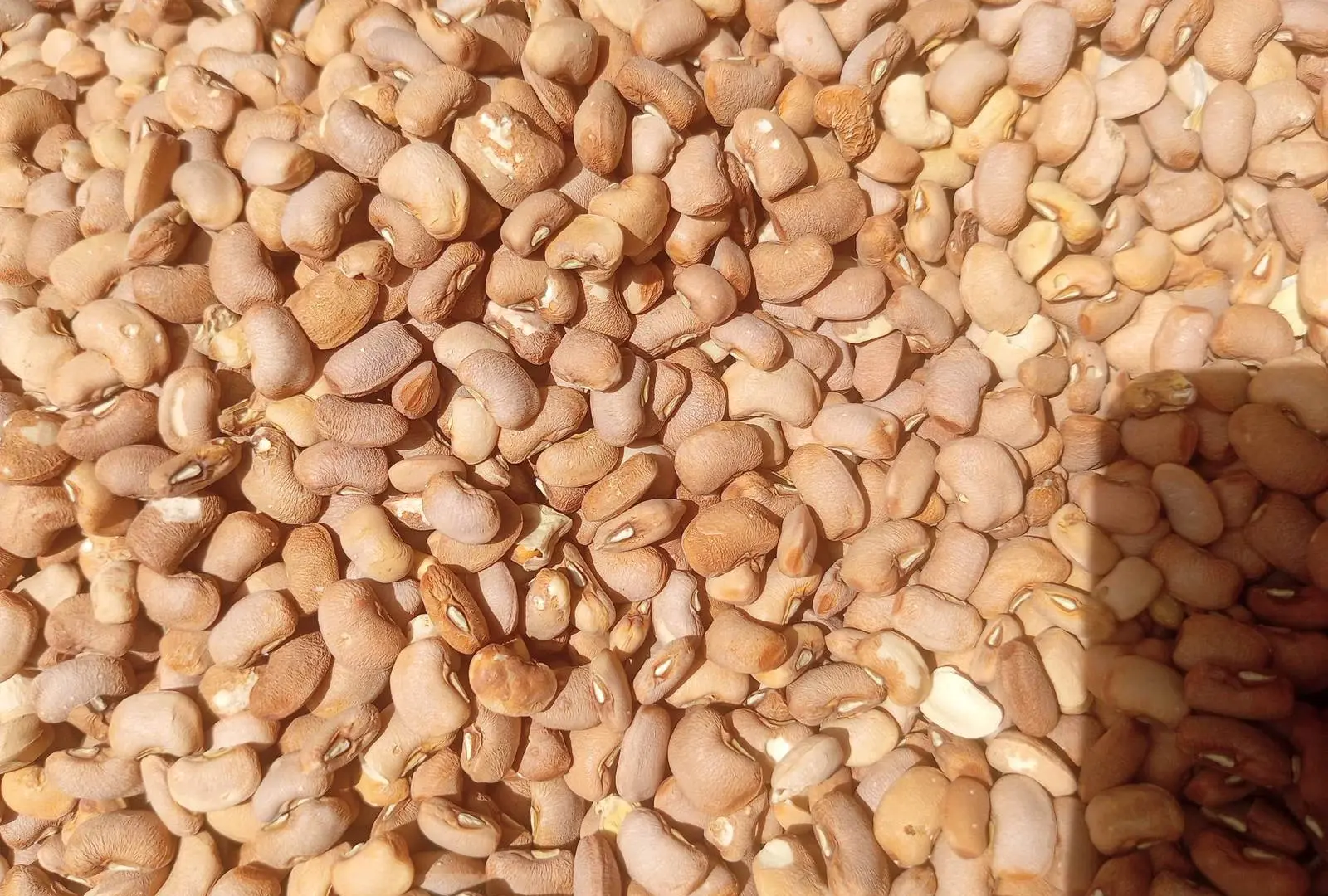
Beans dusted with insecticide, smuggled frozen chicken, fruit said to be ripened with industrial chemicals and grain dried beside the road were all on sale in Nigerian markets in April 2019. Each carries a different risk, but they share a cause. The rules meant to keep contaminated food off market stalls existed, and they were not being enforced.
The clearest evidence came from abroad. In June 2015 the European Union suspended imports of dried beans from Nigeria because of repeated contamination with dichlorvos, an insecticide it does not authorise, at levels well above the safe dose provisionally set by the European Food Safety Authority. In June 2016 it widened the ban and extended it to 30 June 2019, citing the continued presence of dichlorvos in Nigerian beans. The same chemical was being used on beans sold at home.
The stakes are high because Nigeria’s cancer burden is large. In February 2019 the head of the World Health Organization’s health emergency team in Nigeria, Dr Clement Peter, said the country had recorded an estimated 166,000 cancer cases and 41,000 cancer deaths in 2018, ThisDay reported. “The driving forces of cancer are tobacco use, alcohol consumption, unhealthy eating habit and lack of exercise,” he said. Contaminated food is one part of that dietary risk, and it is the part that regulation can reach.
Beans and grains
Cowpeas are highly susceptible to pests. Bean weevils cause heavy losses after harvest and lower the quality of the crop, so farmers and grain merchants use some form of insect control. Dry red pepper was the traditional method. Synthetic chemicals have taken its place.
Beans in storage are treated with organophosphates such as dichlorvos (DDVP), pyrethroids such as permethrin and deltamethrin, and even organochlorines such as gammalin, a lindane product. Nigeria has banned a list of organochlorine pesticides since 2008, when the National Agency for Food and Drug Administration and Control (NAFDAC) published a list of 30 banned pesticides, Mongabay has reported.
NAFDAC itself described the problem in a public alert of 10 November 2018. It said unauthorised persons were spraying, mixing and sprinkling dichlorvos, sold as Sniper, directly on beans and other grains. NAFDAC had approved dichlorvos, as Sniper, for protecting stored produce when used according to the manufacturer’s specifications. Eating food contaminated in this way, the agency warned, can cause skin irritation, blindness, seizures, vomiting, diarrhoea and cancer, and at high concentrations convulsions, coma and death.
The agency’s response at the time was persuasion. It said it had trained its staff across the country to sensitise farmers and grain merchants, held a national food safety stakeholders’ workshop and was working with Croplife Nigeria on awareness. It told consumers not to buy or eat grain with traces of agrochemical and to wash grain in several rinses before cooking. None of this stops a retail trader from treating a sack of beans before sale.
Frozen poultry
Poultry carries a different risk. Nigeria banned imports of frozen poultry in August 2002, under President Olusegun Obasanjo, according to the US Trade Representative’s 2003 report on foreign trade barriers. The ban has not stopped the trade, because smuggled chicken still crosses the land borders and, in the author’s view, its low price keeps it in demand.
The health concern is about how that meat is kept on its journey. In June 2015 NAFDAC’s then Director-General, Dr Paul Orhii, presented a study led by Prof Olumide Tewe, a nutritional toxicologist at the University of Ibadan, on frozen poultry sold in Abuja, Port Harcourt, Oyo and Lagos. The study raised concern over potentially toxic metals, food-borne disease and high formalin levels in the meat, and Dr Orhii said the products were preserved with hazardous chemicals, ThePoultrySite reported, citing New Telegraph.
Formalin is a solution of formaldehyde. The US National Cancer Institute says studies of highly exposed workers have found that formaldehyde causes myeloid leukaemia and rare cancers of the nasal passages and nasopharynx. Exposure through food is a different route from workplace air, but formalin has no place in meat sold for eating.
Fruit and vegetables
Fruit and vegetables are nutritious and a staple of the diet, but they perish quickly, and that creates its own temptations. Vegetables are sprayed against pests such as termites, and produce sold soon after spraying can carry the residue to the consumer.
In the author’s account, calcium carbide, ethephon and oxytocin were used in Nigeria to ripen fruit artificially or to make produce grow bigger, and plantain and banana were commonly ripened with ash or carbide. India is one country that prohibits the carbide method. Its food regulator bans calcium carbide for ripening fruit and says the acetylene gas it releases carries harmful traces of arsenic and phosphorus.
Roadside drying and fake goods
Many staple foods are processed in rural areas by simple methods. Cassava flour, groundnuts and grains such as guinea corn, maize and rice are commonly spread out to dry on the roadside, where soot, dust and effluent from passing traffic can settle on them. Some are laid out beside gutters and drains, and lizards, goats and chickens walk over them to feed. Little is done to check the cleanliness of produce bound for mainstream sale.
Packaged food has its own failures. Canned foods that are fake or past their expiry date can be found for sale in supermarkets and kiosks, and the same is true of some bottled drinks and wines.
Soft drinks and the Fanta and Sprite case
The best-known food safety case of the period concerned soft drinks. In a judgment that the Nigerian Bottling Company (NBC) dates to 15 February 2017, Justice Adedayo Oyebanji of the Lagos High Court directed NAFDAC to make NBC put a warning on its Fanta and Sprite bottles that the drinks should not be taken with vitamin C. The court also awarded costs of two million naira against NAFDAC.
The case began in February 2007, when Fijabi Adebo Holdings Limited tried to export NBC products to the United Kingdom for sale. UK authorities seized and destroyed the shipment. The claimant’s case was that the drinks contained excessive levels of sunset yellow, a colouring, and of benzoic acid, Joy Online reported. NBC argued that the products were made for the Nigerian market, not for export. The judge rejected that defence. “Soft drinks manufactured by Nigeria Bottling Company ought to be fit for human consumption irrespective of color or creed,” the judge said.
NBC’s account of the judgment differs. In a statement reported by Ripples Nigeria, it said the court had dismissed all claims against it and found that it had not breached its duty of care to consumers. It said Fanta and Sprite contained 200 mg/kg of benzoic acid, below the Nigerian limit of 250 mg/kg but above the UK limit of 150 mg/kg, and that this was why the shipment was seized. It said there was “no truth in the report that these products would become poisonous if consumed alongside Vitamin C.” NBC and NAFDAC both appealed, and Nigeria’s health ministry said in a statement that the products were safe, Joy Online reported.
The science sits between the two positions. Benzoic acid and its salts are preservatives used in acidic drinks to stop the growth of bacteria, yeasts and moulds. According to the US Food and Drug Administration, benzene, a carcinogen, can form at very low levels in some drinks that contain both benzoate salts and vitamin C, though the FDA says the levels it found in its own survey did not pose a safety concern. The case nonetheless showed that, by NBC’s own figures, the drinks it made for Nigeria carried more benzoic acid than UK rules then allowed.
What consumers and regulators can do
In the author’s view, food safety is the duty of every individual, not only of NAFDAC. NAFDAC advises washing grain in several rinses of water before cooking it. Fruit and vegetables should be washed thoroughly, preferably under running drinking water, and the outer leaves of leafy vegetables such as lettuce and cabbage thrown away to reduce pesticide residues.
Regulators carry their own share. Agrochemicals should be applied only by trained people with proper safety precautions, and traders should be stopped from dousing grain and other food with them. The author’s case is that NAFDAC should make unannounced inspections in the markets and act against offenders, and that pesticide use in farming and food storage needs strict monitoring. Food safety, on this argument, is a matter of enforcement rather than of new rules. Readers interested in the supply side can see Africa 360°’s analysis of Nigeria’s claim to food security and of how climate change is reshaping Africa’s food security.



