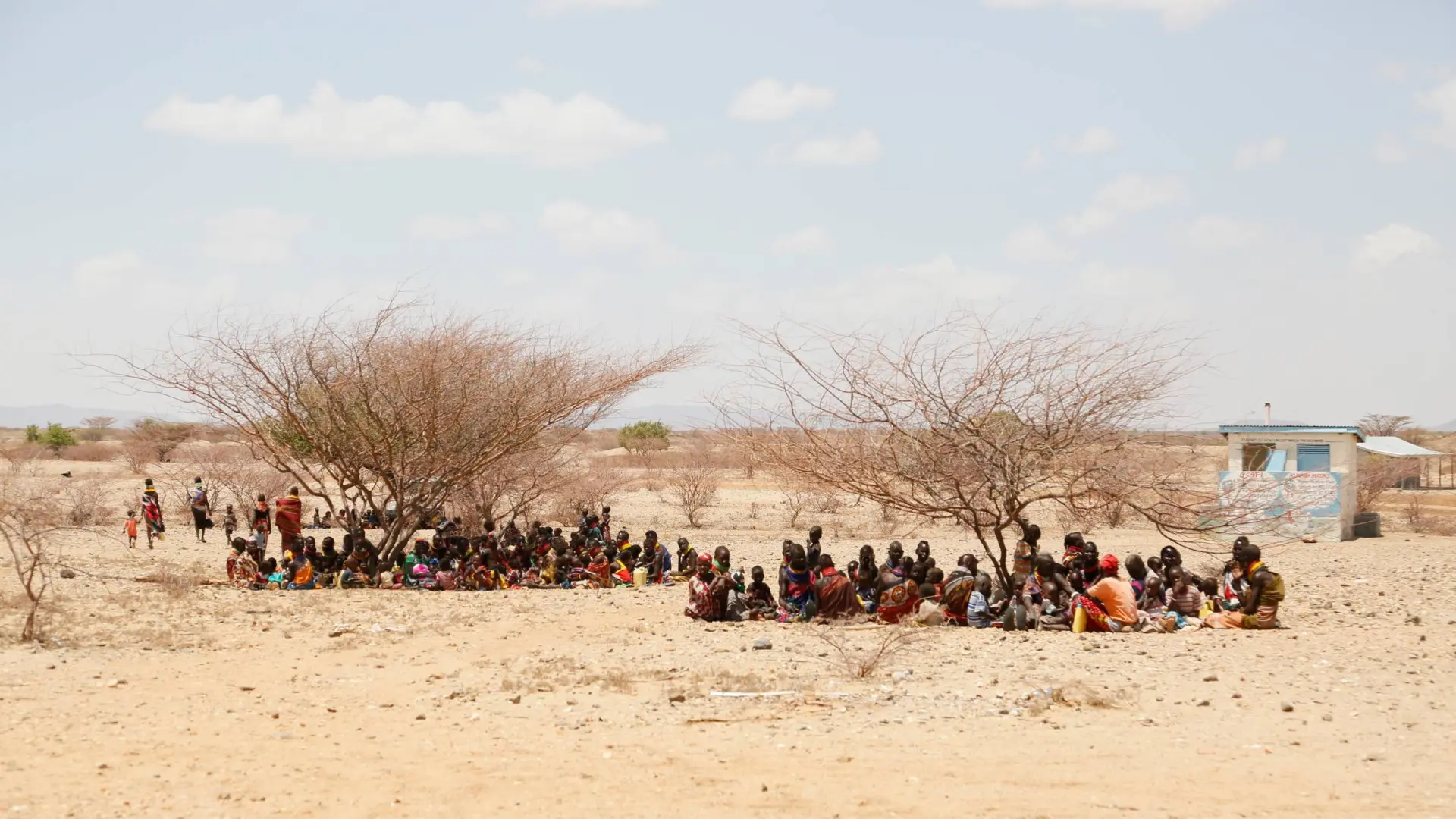
An aid project can become part of daily life long before its funding becomes secure. A clinic, school or emergency service may meet a pressing need while remaining dependent on decisions made elsewhere about the next grant.
That creates a responsibility for the organisations providing the service and the partners financing it. Sustainability concerns whether useful work can continue, adapt or be transferred safely when funding changes. It is not simply a question of keeping an organisation in existence.
Non-governmental organisations vary widely in purpose, size and financing. Some deliver services, others undertake research or advocacy, and many combine activities. Their history also predates the United Nations Charter, which recognised a role for consultation with NGOs rather than creating the sector.
Dependence creates practical risks
Grants and donations can fund work that would otherwise be neglected. They can also leave an organisation exposed when income is concentrated among a few supporters or tied to short project cycles.
A donor may change priorities, reduce its budget or decline a further application. The resulting interruption can affect staff and suppliers, but the most serious consequences may fall on people who have no alternative source of support.
Those risks do not establish that donors have concealed motives or that aid has failed everywhere. Such claims require evidence about particular programmes and decisions. The more useful task is to examine how funding conditions shape the work and whose priorities they reflect.
Flexible resources have a different role
Not all funding gives an organisation the same freedom to respond. Money restricted to one activity cannot always meet an urgent need elsewhere, even where the organisation has identified it clearly.
UNICEF’s 2018 report on regular resources, published in 2019, explains the value of flexible, unearmarked contributions to its work. UNICEF is a United Nations agency, not an NGO. Its example nevertheless illustrates why the conditions attached to funding matter alongside the amount received.
An organisation needs sufficient resources for management, safeguarding, financial control and evaluation as well as direct delivery. Underfunding those functions can weaken a project while making its immediate spending figures look more attractive.
Plans should address more than income
Financial sustainability requires an understanding of costs, reserves and the reliability of expected revenue. Programme sustainability concerns whether an activity remains useful and whether the people and institutions needed to deliver it can continue their work.
Organisational sustainability also depends on governance and staff capacity. An institution that wins repeated grants but cannot retain knowledge or manage its obligations may remain fragile.
Diversifying support can reduce dependence on a single donor, but it is not a complete answer. New fundraising has costs, and earned income may be inappropriate for services intended for people unable to pay. A plan should reflect the organisation’s purpose rather than pursue revenue at any cost.
Local institutions and communities need a voice in decisions about continuation or transfer. Moving responsibility without the necessary resources can simply relocate the risk to those least able to carry it.
Accountability should follow the benefits
Debate about aid often moves between claims of complete success and complete failure. Neither describes a sector containing very different programmes and circumstances.
Organisations should explain what their work achieves, what it costs and what would happen if funding ended. Donors should consider whether their requirements support those outcomes or make continuity unnecessarily difficult.
A credible sustainability plan begins with the needs being served. Its purpose is to protect useful work and the people relying on it, including when the original funding arrangement changes.



