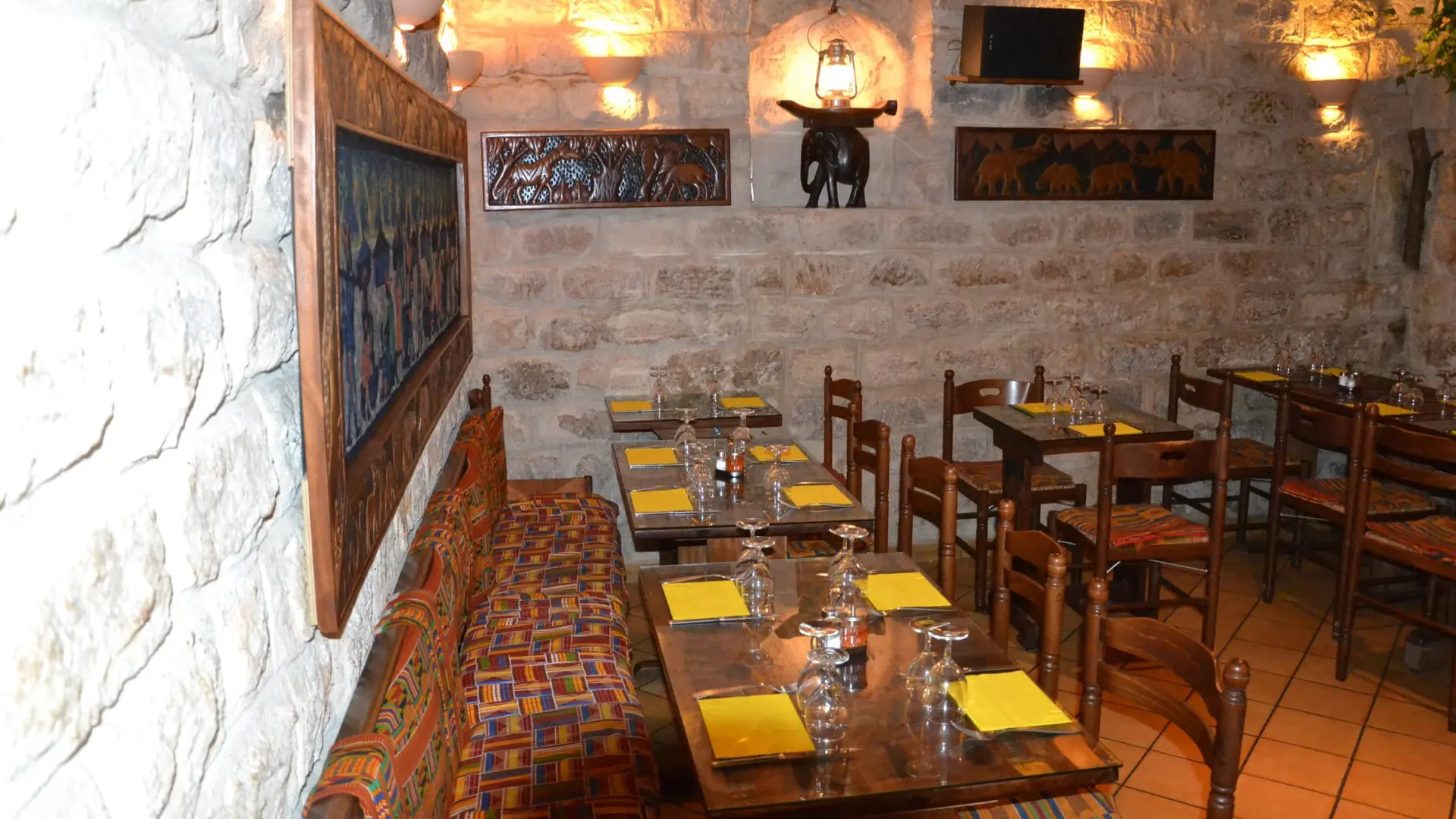
African cuisines are gaining international visibility through restaurants, media and diasporic cooking. That recognition is real, but it is not arriving on terms African producers and communities set. Much of the value is captured where food is processed, branded and distributed, which is mostly outside the continent. This piece argues that the remedy lies in owning those stages, and in Africans telling the story of their own food.
Who captures the value
The food content creators who have built international audiences on African recipe traditions largely operate on platforms owned by technology companies headquartered in California. Packaged West African ingredients on European and North American supermarket shelves are often processed and branded away from the farms that grew them. The cuisine is global. The value capture is not.
This is not a new problem. It follows the pattern that has shaped Africa’s relationship with commodities from cocoa to coltan. The continent produces the raw material. Processing, branding and distribution, the stages where margins are highest, happen elsewhere. Coffee is the clearest food case. Ethiopia is the birthplace of coffee and the source of the Arabica varieties that underpin the global specialty industry, yet most of the value of a specialty cup accumulates with roasters, distributors, retailers and the brands that serve it. African food’s global moment risks repeating this structure across a much broader range of culinary traditions.
Representation and recognition
The cultural dimension runs parallel to the economic. African cuisines have often been marginalised or denigrated in Western food media. The tropes of African food as subsistence fare, monotonous starch and irregular protein, eaten from necessity rather than pleasure, echo broader colonial narratives about African culture as primitive. Dismantling them is cultural work, not just gastronomic promotion.
A genuine revaluation is now under way, driven partly by the African diaspora’s growing confidence in asserting its heritage. Restaurants such as Ikoyi in London and Alkebulan in Dubai, and establishments across Africa and its diaspora, are showing that African cuisine can sustain fine-dining prices and international critical engagement. Chishuru, led by Nigerian-born chef Adejoké Bakare, received its first Michelin star in February 2024.
The mainstream food industry’s engagement still deserves scrutiny rather than simple celebration. When non-African chefs present “African-inspired” dishes without clear attribution, without buying from African suppliers and without any relationship to African culinary knowledge holders, they extract cultural value in a way that follows an old colonial pattern. The language of “inspiration” has long served as a buffer between appropriation and accountability.
Ownership and value
The structural opportunity lies in owning the value chain. Agricultural processing capacity, the infrastructure that turns raw cassava into garri for export, cocoa beans into finished chocolate and palm oil into premium cooking oils for the global wellness market, is the lever African food producers most need to control. Investment in that capacity, combined with geographical indication protections for African food products comparable to those enjoyed by champagne or Italian prosciutto, would let African nations capture a greater share of the value their cuisines generate.
The question of who tells the story matters as much. Who narrates African food, its origins, regional diversity and historical depth, shapes the terms on which it enters and persists in global food culture. That cannot be left only to food writers and documentarians working from outside the continent. African storytellers, chefs, historians and food technologists need to be the primary narrators of their own culinary heritage. That is not protectionism. It is the basic condition of cultural self-determination. African food’s global arrival is a genuine achievement. What it produces for African communities depends on whether Africans are at the table when the terms of that arrival are set.



