Across Africa, the continent’s most celebrated history, its liberation, has too often become the alibi for its most persistent governance failures. Leaders who rose on promises of transformation have, in too many cases, built power structures that serve themselves rather than the citizens they were meant to serve. The pattern is found across regions, it has a structural explanation that sentiment cannot address, and the evidence of recent years suggests accountability can be rebuilt from below even where states resist it.
Nelson Mandela remains the moral benchmark precisely because he chose the exception. Twenty-seven years in prison, then a single presidential term, then a walk back into private life, in full view of a continent watching to see whether liberation could produce something other than a new kind of dominion. His restraint was not weakness. It showed that power could be exercised in service and then released. The question is why that demonstration has remained more exception than instruction.
Executive power and its limits
The answer runs deeper than individual character. Across much of the continent, the post-independence constitutional settlement concentrated executive authority in offices that inherited colonial-era administrative centralisation without the democratic infrastructure that checks it. The throne was real. The guardrails were paper. Too many leaders who stepped into that gap treated the state as a spoil rather than a stewardship, and built systems that rewarded those who did the same.
The evidence is not abstract. Presidential terms extended by referendum. Opposition leaders detained on tax or treason charges as elections approach. State resources deployed for political consolidation rather than public infrastructure, through patronage networks that bind supporters and punish defectors. Such governments speak of development and promise roads, hospitals and growth. The ledger of what is actually built, and for whom, rarely matches the rhetoric.
Ubuntu and accountability
The paradox is more corrosive because it draws on the continent’s genuine cultural resources. Ubuntu is associated with ideas of human interdependence and mutual obligation, but applying that vocabulary to government does not by itself create enforceable accountability. Pre-colonial political systems varied. Some included councils, distributed authority or ways to remove rulers, while others concentrated power. Those histories can inform reform without being presented as one uniform system destroyed in the same way everywhere.
The international architecture around African governance has also, for decades, rewarded the wrong things. Aid flows that bypass accountability structures, debt arrangements that require austerity for citizens while insulating governing elites, and security partnerships that put stability ahead of democratic legitimacy have at times extended the life of governance that should have collapsed under its own contradictions. The West has not caused African leadership failure. But it has at times sustained particular versions of it.
Accountability from below
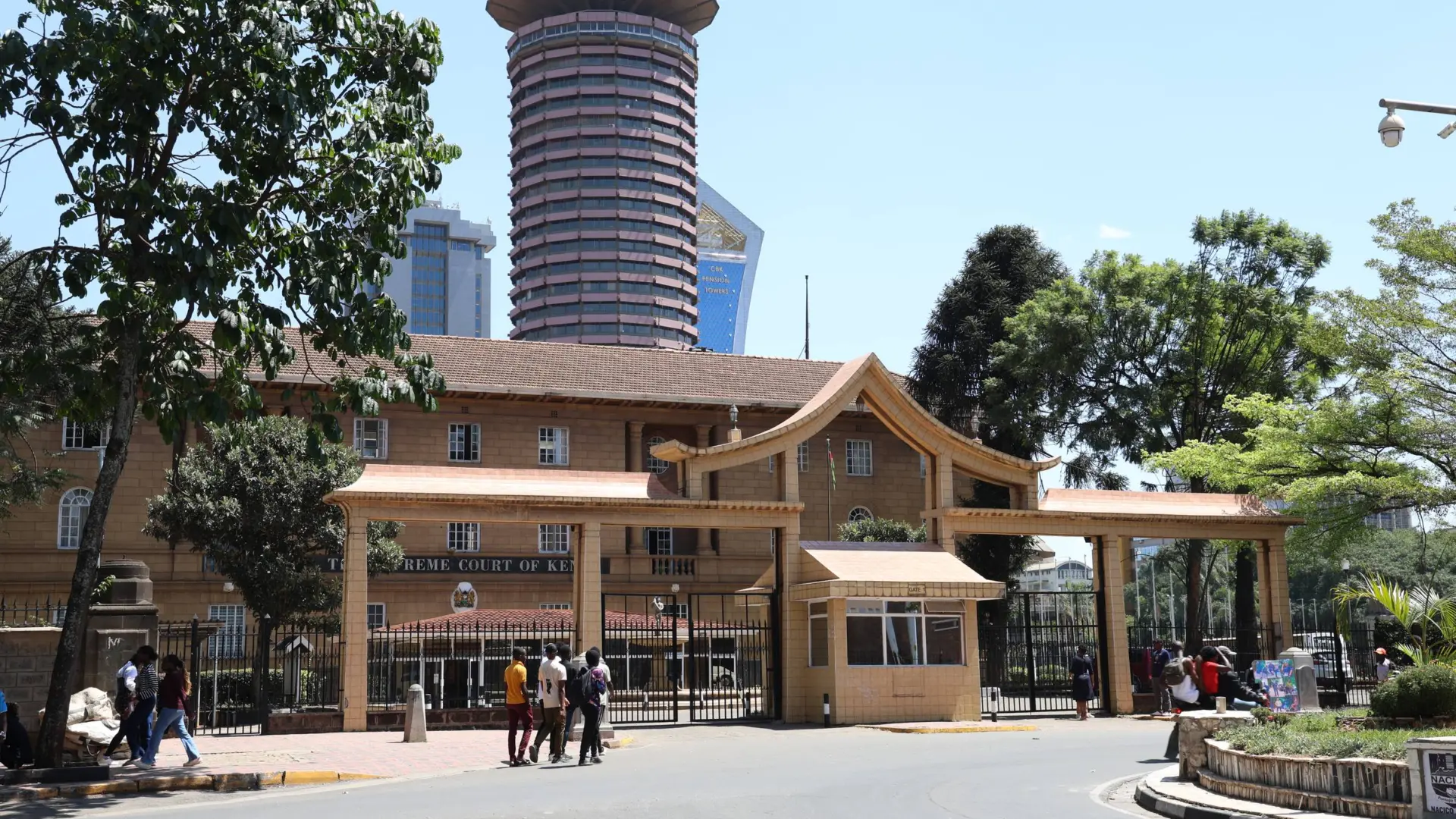
The continent’s younger political actors, civil society organisations and citizen journalists are showing, at real personal cost in some countries, that accountability can be rebuilt from below even when the state refuses to build it from above. Ghana’s electoral institutions. Nigeria’s civic technology ecosystem. Senegal’s capacity for competitive elections even when incumbents resist. Kenya’s Supreme Court, which invalidated the August 2017 presidential election. These are not anomalies. They are evidence that the conditions for accountability are not permanently absent.
The measure of African leadership in the coming decade will be whether formal institutions catch up with this civic energy. African societies understand what good governance looks like, and many have documented it and litigated for it. The question is whether enough leaders will choose the Mandela model over the one Mandela explicitly rejected, in which power is inheritance, office is entitlement and the state is a private account held in the national interest’s name. Credible elections, independent review and institutions that outlast individual leaders are how that choice is enforced rather than hoped for.



