Nigeria’s brain drain is a governance outcome, not a failure of ambition. The country invests in training doctors, engineers and other professionals, and many of them build their careers abroad. The practical question is what it would take to make staying a viable professional choice.
The numbers do not understate the scale. Between 2020 and 2023, the UK General Medical Council registered more than 4,000 Nigerian-trained doctors, and the United States, Canada, Australia and Saudi Arabia draw on the same pool. The World Bank estimates Nigeria loses over $1 billion annually in human capital investment when high-skilled emigrants are factored against the cost of their education. The japa movement, from the Yoruba word for escape and now adopted by a generation as a name for mass emigration, is no longer only a personal choice made in kitchens and WhatsApp groups. It has become a structural feature of how the Nigerian state operates and whom it serves.
Why they leave
What drives them away is not poverty of ambition. The young Nigerians queuing at British High Commission gates and cramming for IELTS in café corners are among the most motivated, best qualified people their country has produced. They leave because the infrastructure of professional life in Nigeria has been allowed to decay. Doctors work in hospitals short of basic supplies and reliable power. Academics see their teaching interrupted by ASUU strikes that stretch for months. The talented leave not because they do not love Nigeria but because staying requires a tolerance for institutional indignity that has no relationship to competence or effort. That is a governance failure, not a cultural one.
What remittances cannot replace
The counter-argument, made most famously by former Labour Minister Chris Ngige, is that emigration is a surplus distribution mechanism, that remittances compensate for the professional exodus, that doctors working in Manchester are still serving Nigeria with the foreign exchange they send home. The World Bank reported Nigerian remittances at $20.9 billion in 2022. This figure is real. The interpretation is not. A remittance can buy medicine; it cannot train a specialist. It can pay school fees; it cannot staff a rural hospital. It can maintain a family; it cannot substitute for a functioning state. Remittance income and the loss of skilled workers must be assessed separately.
The policy choices behind departure
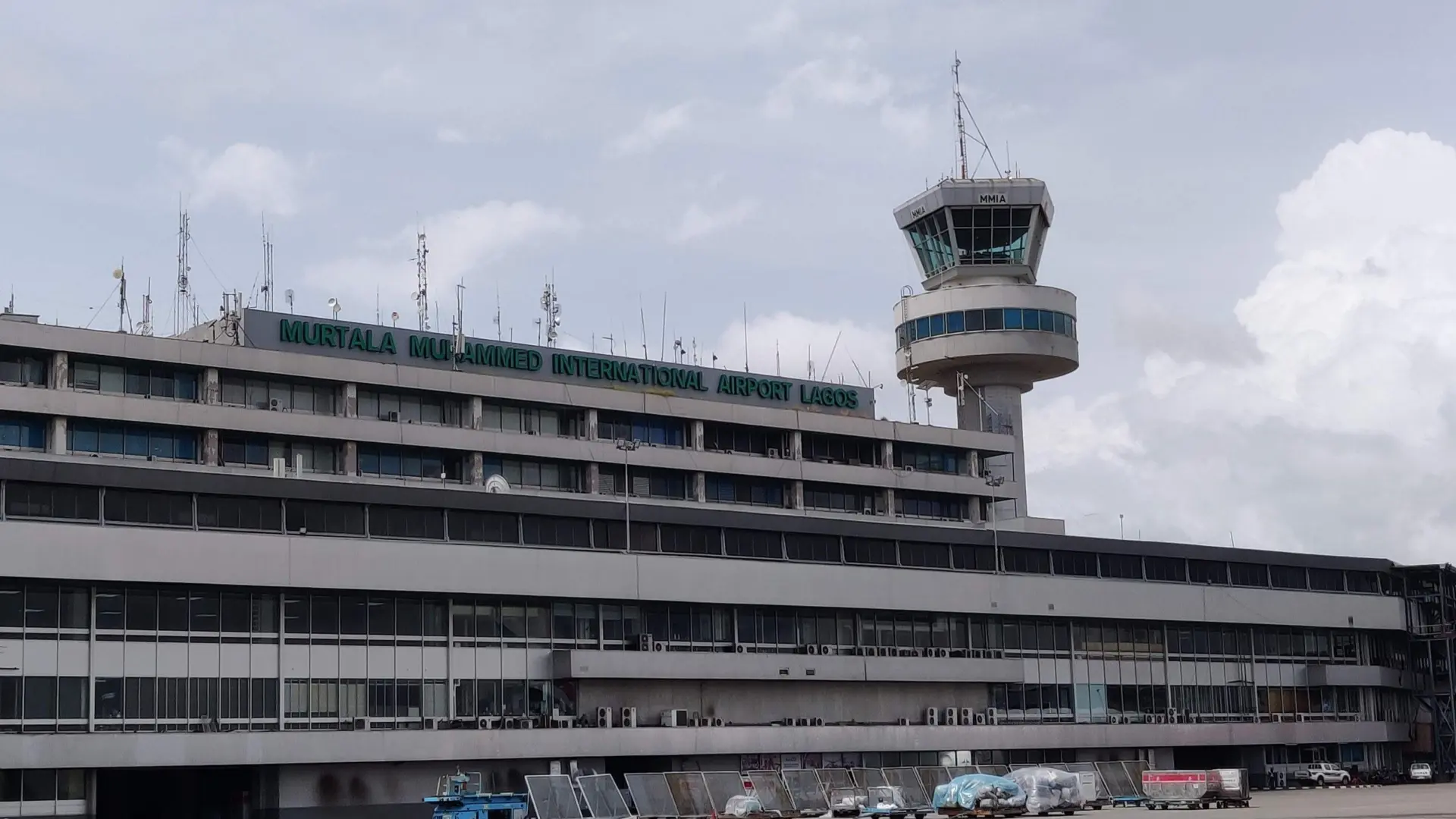
The architects of japa are not the migrants. They are the officials who have presided over declining real wages in the public sector and the policymakers who have watched brain drain data accumulate across successive reports without designing any retention mechanism with teeth. Every year of inaction is an active decision. The departure queues at Murtala Muhammed Airport are not a natural disaster. They are a policy outcome.
Read as an economic transaction rather than a lament, the exodus is a subsidy flowing in the wrong direction. Nigeria bears part of the cost of training many doctors and engineers, the subsidised university place, the public teaching hospital, the years of training, and then delivers the finished professional, at the start of their most productive years, to a health or technology system that paid none of those costs. A poorer country is helping to capitalise the workforce of richer ones, in the opposite direction to the language of aid that supposedly governs the relationship.
The argument for retention is not sentimental patriotism. It is structural. An economy cannot industrialise without an engineering workforce. A healthcare system cannot survive without doctors. Every high-skilled emigrant takes not just a salary but networks, institutional knowledge and the years of state investment in their formation. The destination states recruit because recruiting is rational. Nigeria loses because retaining was never made rational, and that is the part Nigerians can act on. The question Nigeria must answer, not in a speech but in a budget, a pay scale and a functional hospital procurement system, is what it costs to keep its professionals against what it costs to keep losing them.
Until the arithmetic of staying changes, the queues at the visa windows are not a betrayal of the nation. They are the most honest review the nation receives, delivered in the one currency a failing state cannot dispute: the feet of the people it trained and could not keep.



