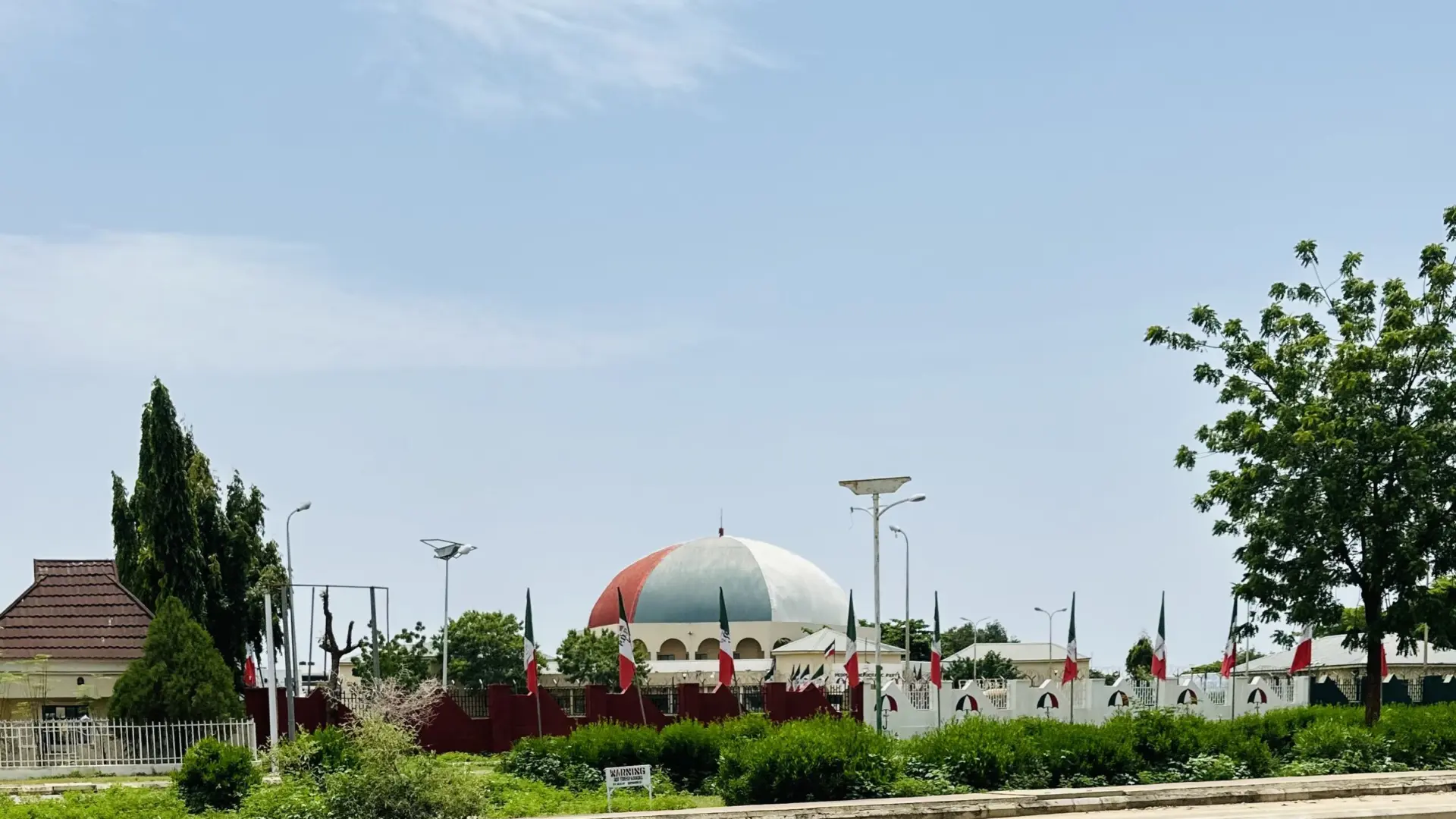
Nigeria’s opposition parties face pressure from defections, internal disputes and a political system in which public appointments can reward former rivals. This analysis argues that their weakness owes less to individual failings than to patronage politics, which can turn competition into negotiation among elites and so weakens the opposition’s ability to scrutinise government.
How co-option works
The 2023 elections produced the clearest example. Nyesom Wike, a former governor whose G5 faction openly campaigned against the Peoples Democratic Party’s own presidential candidate, was appointed a minister by the All Progressives Congress administration he had publicly supported. The sequence took place in full view. When the line between opposition and government becomes a revolving door, democratic accountability loses one of its load-bearing walls.
This is not simply a story about the PDP’s internal fractures, though those are severe. It is about what Nigerian politics can do to any party that enters its orbit.
The PDP governed Nigeria for sixteen years and understood the machinery of state patronage from the inside. When it entered opposition in 2015, it brought that understanding with it, and used it not to build an accountability agenda but to protect internal factions and individual interests. The presidential candidacy dispute of 2023 made this visible. The party’s failure to honour its own power-rotation principles produced defections, the G5 rebellion and a governing coalition that came to include some of its most prominent figures. The opposition arrived at election day already partly integrated into the administration it sought to unseat.
The Labour Party challenge
The Labour Party’s emergence disrupted the two-party consensus. Peter Obi’s candidacy mobilised a political generation that had not previously found a vehicle, and the Obidient movement turned frustration into organised energy at a scale that surprised even its organisers. Its 2023 performance exposed the limits of PDP and APC dominance.
The Labour Party’s post-election trajectory, however, shows the structural trap. Accusations of financial mismanagement at the national secretariat, internal leadership disputes and a series of high-profile defections have slowed the party’s momentum before it could be turned into institutional capacity. Moving from protest movement to a party ready to govern requires organisation, resources and discipline, precisely what patronage politics tends to deny challengers who cannot be co-opted.
The cost to oversight
Legislative oversight is where the cost becomes most visible. A functioning opposition holds the budget to account, scrutinises executive appointments and forces public justification for spending decisions. A fragmented one cannot sustain that work.
Co-opting opposition figures through ministerial appointments, state contracts and party switching is not corruption in the narrow sense. It converts political competition into managed elite circulation. That is why Wike’s trajectory was not an aberration but a template.
What reform requires
As Africa’s most populous country, Nigeria’s democratic health carries weight beyond its own borders. Reversing the trend requires more than better opposition leaders. It requires credible party organisation, campaign finance transparency, an electoral body whose independence can survive political pressure, and civil society that works as a permanent accountability function rather than a periodic mobilisation. The #EndSARS moment showed that Nigerian youth can organise at scale. The question is whether that energy can be sustained beyond moments of crisis into the patient, institutional work that democratic accountability requires, work that extends well beyond choosing the next presidential candidate.



