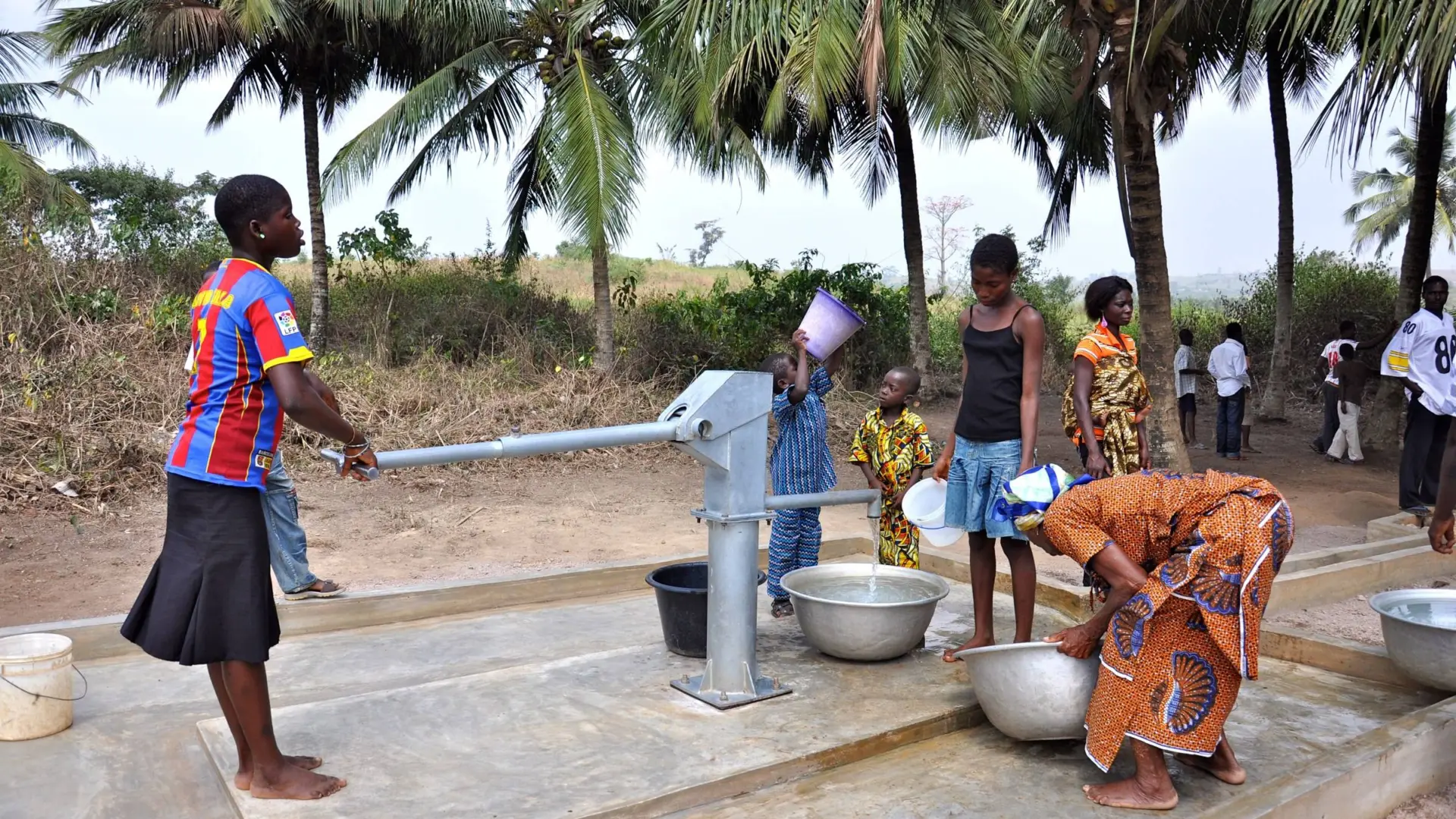
A person unable to obtain treatment, a child excluded from school and a household without safe water face different forms of deprivation. Income affects each situation, but an income figure alone does not explain everything that is missing or what would put it right.
Poverty is therefore both a question of resources and a question of access to essential conditions for a secure life. Different measures can help identify those problems, provided their definitions are kept clear.
The same word is often used for national poverty statistics, international extreme-poverty estimates and a broader description of disadvantage. They are related concepts, not interchangeable counts.
Measures answer different questions
At the time of this analysis, the World Bank’s international extreme-poverty line is $1.90 a day in 2011 purchasing power parity terms. That is a tool for comparison across economies, rather than a claim that a nominal US dollar buys the same goods everywhere.
The World Bank’s 2018 poverty assessment also places monetary poverty alongside other aspects of deprivation. Understanding the measure and the period covered is necessary before drawing conclusions from a headline total.
National poverty lines serve different purposes and can reflect different standards. A US poverty estimate, for example, should not be presented as though it counted people living below the World Bank’s international threshold.
It is equally misleading to assume that everyone who lacks something at a particular moment experiences poverty in the same sense. Persistent deprivation, vulnerability to shocks and a temporary inconvenience need to be distinguished.
Conflict can deepen deprivation
Violence and displacement can destroy livelihoods and interrupt education, health care and access to markets. They may leave households without the assets or support needed to recover when immediate fighting subsides.
Children face particular risks where schooling and protection break down. Their loss of education can affect opportunities long after the event that interrupted it. Addressing those consequences requires services and safeguards as well as a change in household income.
Regional institutions can support efforts towards peace and cooperation. Their work should connect political agreements with the practical conditions that allow people to resume productive and secure lives.
Productive work needs supporting services
Employment and enterprise can improve household resources, but they depend partly on education, health, infrastructure and access to markets. The absence of those conditions can prevent people from making use of their skills or expanding a small business.
Industrial development can create opportunities where it produces suitable work and links with the wider economy. It should not be treated as a single remedy for every form of poverty. Rural livelihoods and the quality of essential services also matter.
Safe drinking water and sanitation demonstrate the limits of relying on one income measure. A household may earn more yet remain exposed to serious deprivation if those services are unavailable or unreliable.
Diagnosis should guide the response
Governments need to know which barriers affect particular communities. A policy aimed at raising earnings may require different institutions from one intended to restore access to a school or clinic, even where the same households need both.
Public, private and community organisations can contribute, but their roles should be assessed through results. Reducing poverty requires sustained attention to the conditions people face, rather than the assumption that one improved indicator settles the whole question.



