Customs efficiency is now inseparable from industrial strategy. Where digital clearance systems function predictably, value chains form. Where they do not, costs compound and trade routes divert. This analysis argues that software alone will not close the gap: interoperable systems and pay structures that reward compliance will decide which corridors win trade.
In the logic of contemporary trade, the customs gate is not a formality at the end of the commercial process. It is infrastructure, as decisive for a country’s export competitiveness as the road to the port or the reliability of the power grid that keeps the cold chain intact. Africa’s customs systems are moving from paper-based, discretionary clearance to digital platforms, but the movement is uneven in a way that matters. The gap between countries that have digitised effectively and those that have not is becoming a structural divide in who benefits from the African Continental Free Trade Area’s promise of integrated continental commerce.
When a manufacturer in Kigali can clear exports to Nairobi with documented, predictable turnaround times, the investment case for building a regional supply chain through Rwanda is legible. When the same shipment crossing into a neighbouring country faces undocumented inspection discretion, informal fee requests and processing times that can stretch from days into weeks, the investment case for that corridor collapses. International buyers sourcing at volume do not absorb customs inefficiency as an operating cost. They reroute their supply chains towards predictability, and the countries with unpredictable customs environments lose orders before a bid is ever submitted.
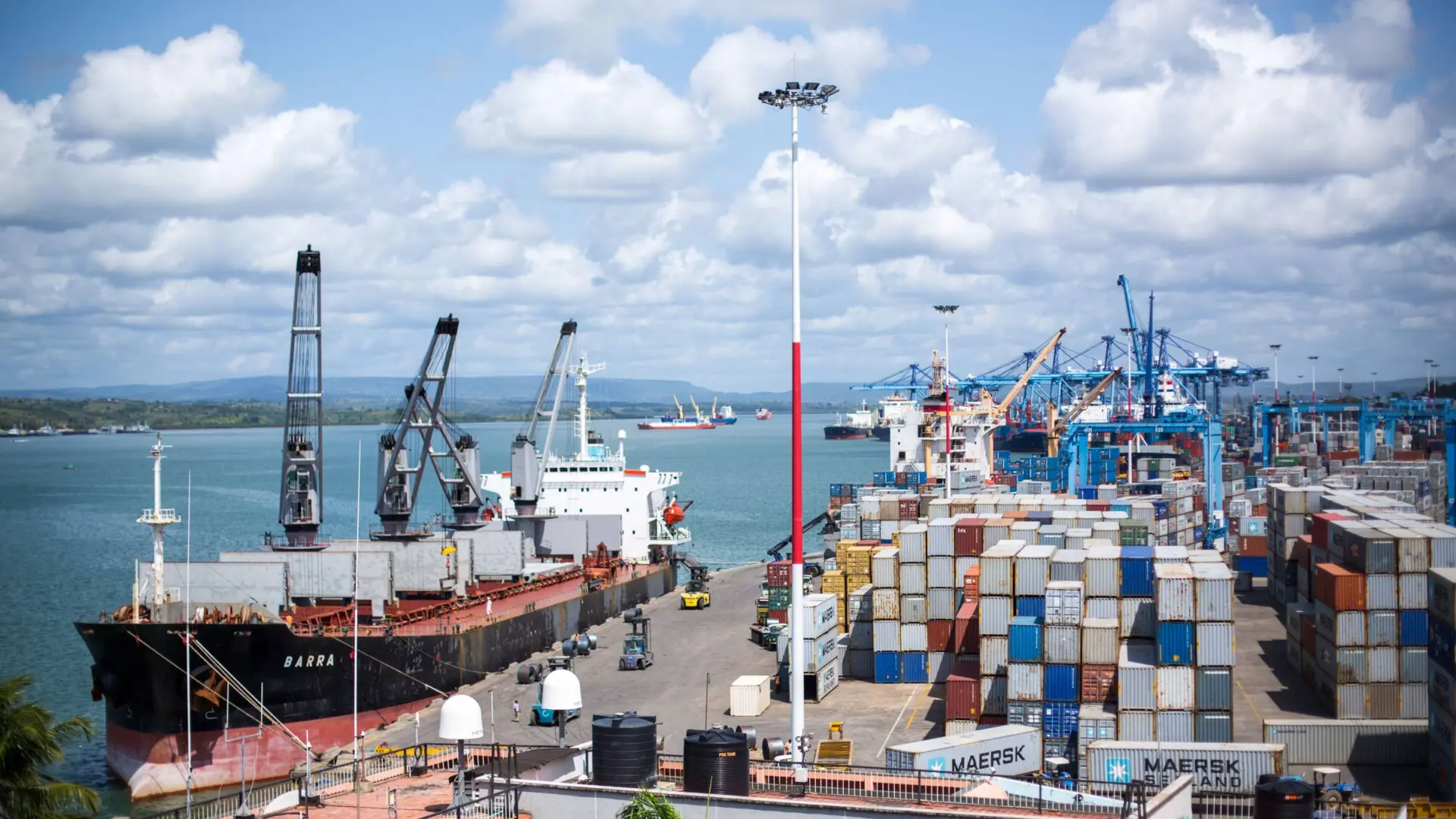
The World Customs Organization’s SAFE Framework of Standards provides the international architecture for customs modernisation, and a number of African customs authorities have made substantive progress against it. Kenya’s Integrated Customs Management System has brought declaration processing at Mombasa onto a digital platform. Rwanda’s small territory and concentrated trade volumes make comprehensive digital customs more tractable, and it has built accordingly. South Africa’s customs technology, while operating under significant capacity pressure, maintains a more sophisticated risk management and electronic declaration infrastructure than most of its regional peers. These are not perfect systems, but they mark real progress on what preceded them.
Nigeria’s customs digitisation record is more complicated. The Nigeria Customs Service has implemented successive technology platforms, including the Single Window system and the B’Odogwu system at specific ports, and has made real progress on specific procedures. But importers and exporters, particularly at Apapa and Tin Can Island, still face layered inspection requirements and informal practices that digital platforms have not yet fully displaced. They also face port congestion that is only partially a customs problem but interacts with customs processes to produce unpredictable dwell times. The technology is present. The institutional transformation that makes the technology function as designed is slower than technology procurement.
The AfCFTA’s trade-facilitation provisions identify customs harmonisation as one of its central implementation challenges, and correctly so. The agreement’s tariff liberalisation provisions only generate trade flows if goods can actually cross borders efficiently under a common rules framework. At present, intra-African trade faces non-tariff barriers (customs procedures, standards divergences, documentary requirements) that are often more burdensome than the tariffs being liberalised. Digitising the procedures behind those barriers is therefore not a technical support function. It is a prerequisite for trade integration.
The interoperability problem sits at the centre of the harmonisation challenge. A digital customs system that operates within a single national environment is a national efficiency improvement. A system that cannot communicate with its equivalent in an adjacent country is a limited improvement for continental trade. So is one that requires data to be re-entered at every border junction, uses incompatible risk classification standards or generates documentary requirements in incompatible formats. Regional customs cooperation can support interoperability, but translating regional frameworks into systems that function at the operational level of port authority employees and freight clearing agents is where implementation consistently lags behind institutional design.
The revenue dimension cannot be separated from the reform conversation. African governments collectively lose significant tax revenue annually to customs fraud, undervaluation and misclassification. Digital systems theoretically address that problem through automated verification and risk profiling. But the same customs discretion that enables fraud also, in many cases, enables the informal revenue extraction that supplements official salaries in under-resourced customs administrations. Digital systems that remove discretion remove the harmful informal extraction and, for some officials, a substantial portion of their effective income. Customs modernisation that does not address compensation structures will consistently meet implementation resistance that no technology platform overcomes by its own design.
Africa’s customs modernisation is not a technical problem waiting for a technical solution. It is a political economy challenge embedded in the infrastructure of trade. Some countries will build digital systems that process declarations accurately and quickly, train institutions to operate them honestly and harmonise procedures with regional partners. They will also hold the political space against the vested interests that benefit from opacity. Those countries will determine where Africa’s trade expansion under the AfCFTA actually flows.



