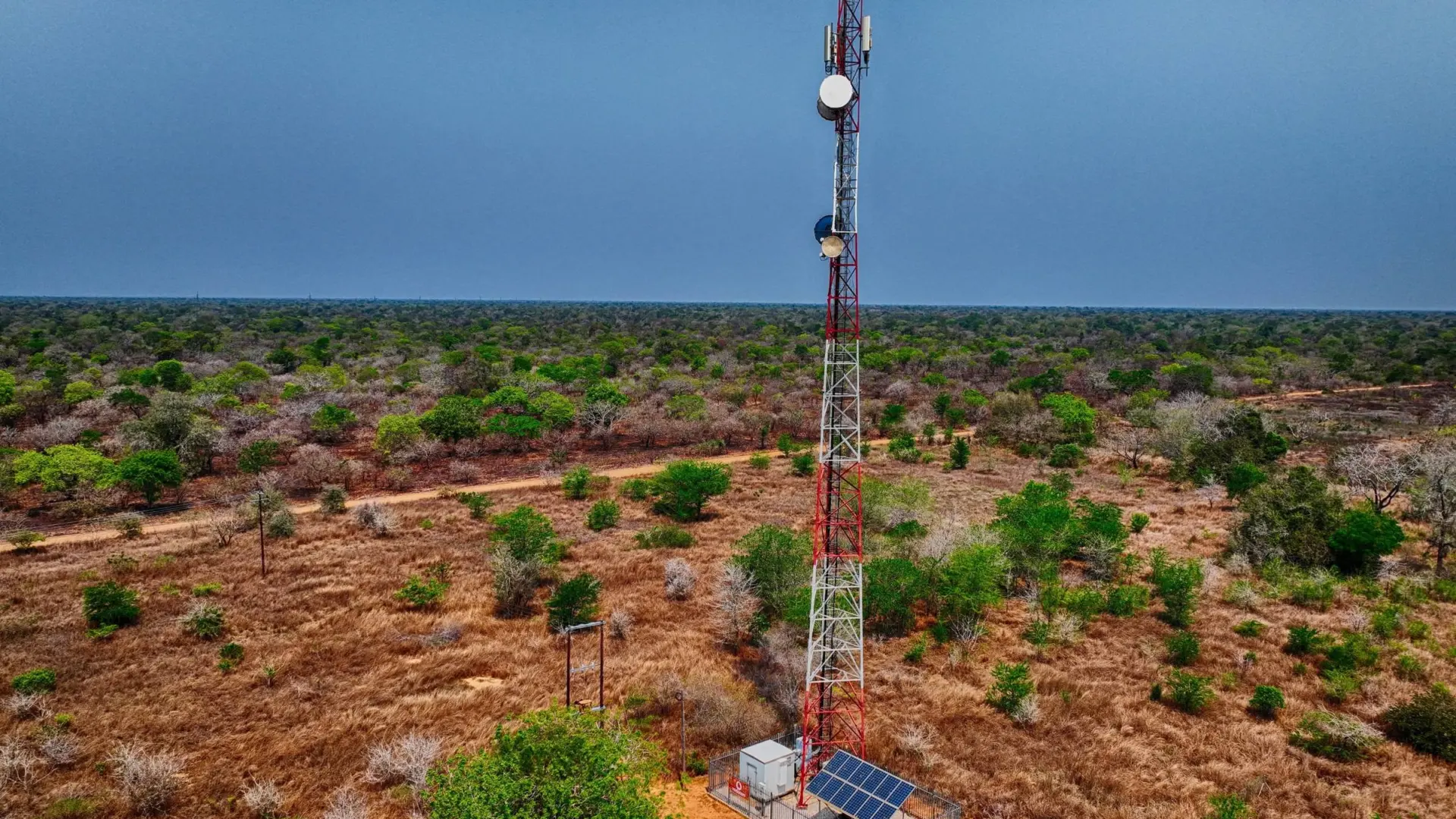
Every time an African fintech confirms that the phone in a customer’s hand has not just been swapped onto a stranger’s SIM, it is asking a mobile network operator a question only the operator can answer. The network knows where the device is, when the SIM last changed, whether the number matches the name on the account. That knowledge, exposed through a programming interface, is becoming the silent verification layer beneath digital banking, lending and payments across the continent. The operators are no longer just selling minutes and data. They are becoming the trust layer, in checks their customers never see.
The vehicle is an industry push, led through the GSMA Open Gateway initiative, to standardise the interfaces through which third parties can access network intelligence: SIM-swap detection, device location for fraud scoring, number verification, silent authentication that replaces the one-time passcode. For fintechs and banks, this is a gift. Africa’s digital finance boom has run ahead of the formal identity systems that fraud control normally depends on, and the network operator, which has a registered relationship with its subscribers, fills the gap. The operators are being asked to become public-interest infrastructure, the rails on which the digital economy checks who is real.
That is the opportunity and the trap in the same sentence. Where a service becomes essential, access pricing, competition and regulatory scrutiny matter. African operators are becoming indispensable verification infrastructure. The question is whether they can do it without becoming opaque gatekeepers over a function the whole digital economy depends on.
From connectivity to verification
The shift is a natural consequence of where data sits. A bank can ask a customer to prove their identity, but it cannot, on its own, know that the SIM authorising a transaction was inserted into the phone yesterday by a fraudster who hijacked the number. The operator can. SIM-swap fraud, in which an attacker ports a victim’s number to seize the one-time passcodes that guard their accounts, has been a damaging attack vector in African digital finance, and the operator holds one useful warning signal: when the SIM last changed. Exposing that signal through an API turns a byproduct of running a network into a product the entire financial sector wants to buy.
Multiply that across number verification, location-based fraud scoring and frictionless authentication, and the operator becomes a layer that fintechs build on rather than a pipe they merely transmit over. This is a more durable position than connectivity itself, where margins erode and customers churn for a cheaper bundle. Verification is sticky, hard to replicate and rises in value as the digital economy grows. It is, in effect, the operators discovering that the most valuable thing they own is not the network but the knowledge the network generates about the people on it.
The most valuable asset a mobile operator owns is no longer the network. It is the knowledge the network generates about the people on it, and that knowledge is now for sale by the query.
Who sets access terms
The leverage lives in the commercial terms. When a handful of operators control the verification signals that every fintech and public agency needs, the price per query, the criteria for access and the consistency of service become decisions of real economic consequence. A well-funded incumbent bank can absorb whatever the operators charge. A small fintech serving low-income customers operates on margins where the cost of verification calls can decide whether a product is viable. If access is priced or rationed to favour large established players, the trust layer that was supposed to widen the digital economy could quietly entrench its existing winners, with the operators sitting as toll collectors on a road everyone is forced to travel.
Privacy and consent
There is a privacy dimension that compounds the power. The data being exposed (location, SIM history, behavioural signals) is intimate, and it is being shared with third parties to make decisions about people who may not understand that their network operator is vouching for them in transactions they never connected to their phone provider. Standardised interfaces make this exchange efficient and also make it invisible. The same infrastructure that stops fraud can, without strong governance, become a surveillance and scoring apparatus operating below the awareness of the people it scores. It requires effective consent or another lawful basis, access controls and oversight.
Oversight of essential services
The resolution is not to halt the trend, which is both useful and probably unstoppable, but to govern it as what it has become: critical public infrastructure in private hands. That implies the kind of oversight applied to other essential rails: fair and transparent access pricing so that small entrants are not squeezed out, interoperability so that fintechs are not captive to a single operator’s terms and data-protection enforcement that ensures the verification layer serves users rather than silently profiling them. Several African data-protection regimes already exist on paper to do this. The test is whether regulators recognise network APIs as the systemic infrastructure they are and supervise them accordingly, before the terms harden in the operators’ favour.
There is a genuine sovereignty upside if the governance is right. A continent whose digital economy verifies itself through home-grown operators rather than foreign identity platforms holds a strategic asset, a trust layer rooted in African networks and answerable, in principle, to African regulators. But the asset only stays public-interest infrastructure if it is treated as such. Left as an unregulated commercial product, it becomes a private toll on the digital economy, owned by a few firms, priced at their discretion, and opaque to the millions whose data makes it work. Whether it serves the continent or merely the operators is a decision regulators are making now.



