AI tools offer real opportunities for African enterprises, but what they deliver depends on data quality, technical skills and reliable infrastructure. The AI readiness gap in Africa is not primarily a technology problem. It is a problem of the preconditions that make technology useful, and the distinction changes what the solution looks like.
The tools themselves are available, and in many cases affordable. Large language model APIs, machine learning platforms and cloud-based AI services are open to many enterprises with connectivity, payment access, appropriate permissions and technical skills. What differs is whether the organisational and infrastructure conditions exist for those tools to produce value once deployed. Across African enterprises, those conditions vary widely, so the same technology can deliver real gains in one firm and little in another.
The AI readiness gap in Africa is not primarily a technology problem. It is a problem of the preconditions that make technology useful, and the distinction changes what the solution looks like.
Data
Data quality is the first and most fundamental precondition. AI systems derive their value from the data they are trained on or work with. Many African enterprises, particularly in agriculture, informal retail, healthcare and logistics, operate with fragmented, inconsistent or paper-based records that are not structured for computational use. A credit-scoring system is only as reliable as the transaction history beneath it. A yield prediction tool is only as accurate as the agricultural data that feeds it. When the data layer is weak, the AI layer cannot compensate. It amplifies the weakness, producing confident outputs on uncertain foundations.
Skills
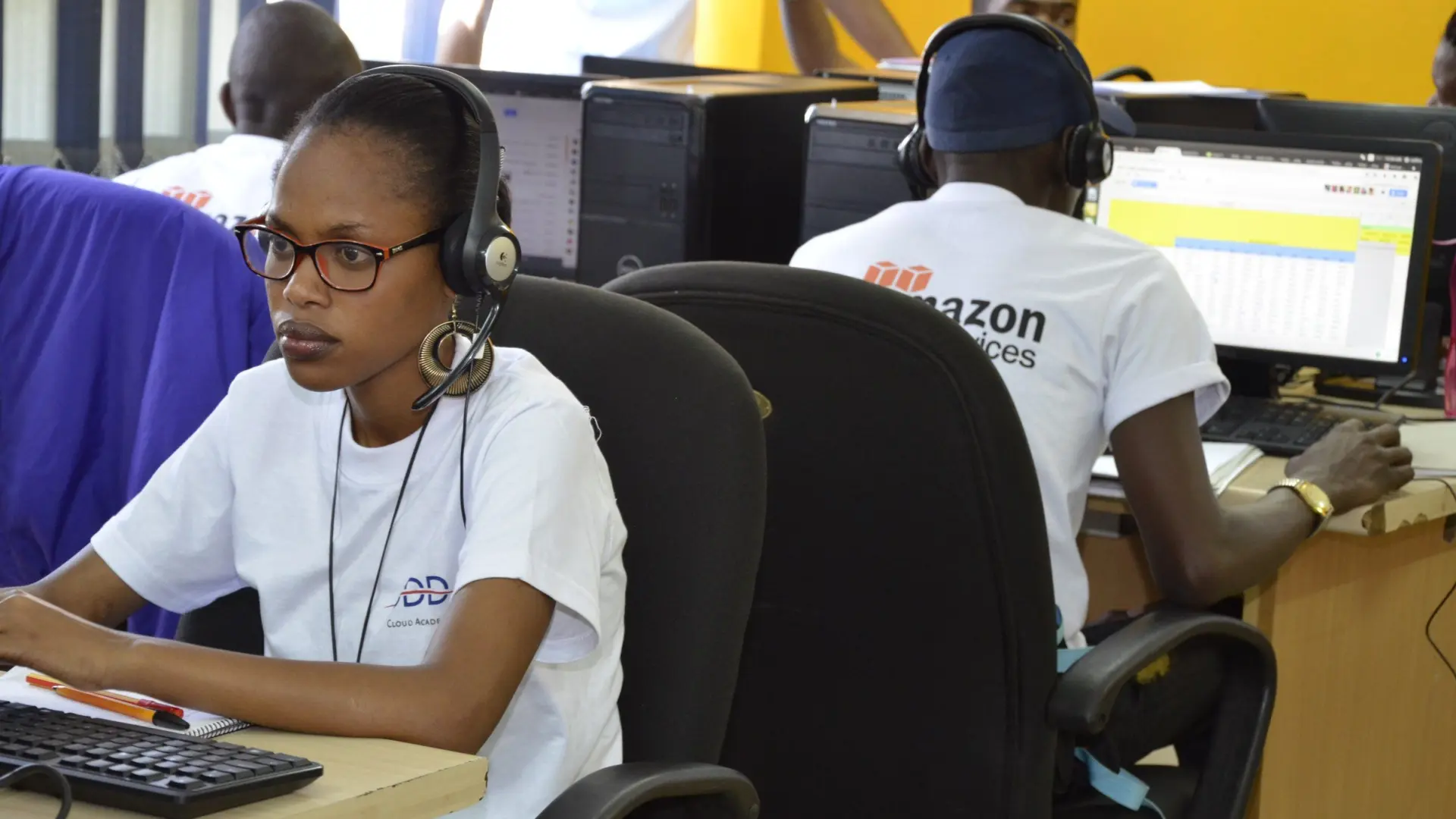
The talent gap compounds the data challenge. Africa has a growing community of AI researchers and practitioners in Nairobi, Lagos, Cairo, Accra and Johannesburg, but that talent is concentrated in the largest cities and the best-capitalised organisations. Mid-sized enterprises in secondary cities, and the small businesses that form the backbone of African economies, have limited access to the expertise needed to deploy AI systems responsibly. The talent that does exist also faces a pull abroad, towards international firms, salaries and research environments that African enterprises cannot match on pay.
Power
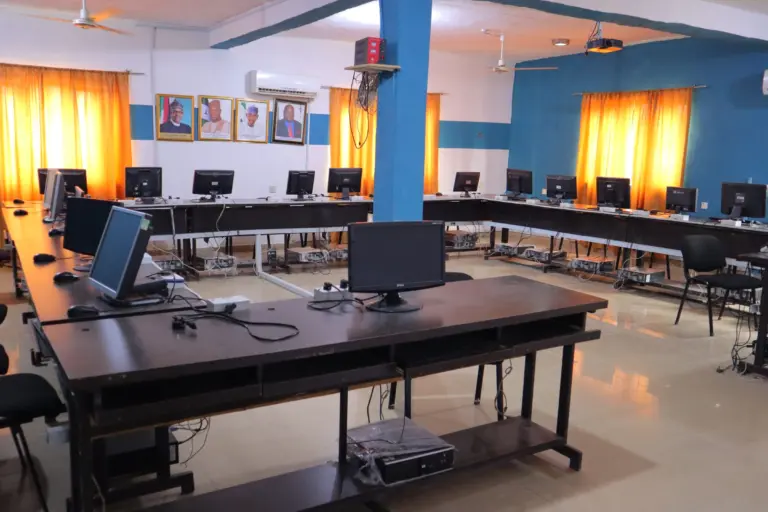
Power infrastructure is a third constraint, rarely foregrounded in discussions of AI readiness but decisive in practice. Training and running AI systems at scale requires computing resources that in turn require reliable electricity. Nigeria’s power supply problems and Zambia’s load-shedding impose real costs on any organisation attempting to run intensive computing workloads locally. Cloud-based AI services partly offset this, but cloud dependency brings its own constraints: latency, data sovereignty concerns and recurring fees that must be weighed against the hardware, power, maintenance and staffing costs of local computing.
Who gains
The divide is not uniform. Readiness varies between and within countries, and even in the most tech-intensive economies (Kenya, Nigeria, South Africa and Rwanda) it is uneven across firms and sectors. The gap between large enterprises and smaller ones is itself a governance concern. If AI adoption concentrates productive capacity in large firms without creating pathways for smaller enterprises, its effect on inequality may be negative even if its effect on aggregate output is positive.
Government responses range from the substantive to the performative. Rwanda’s National AI Policy, Kenya’s AI strategy roadmap and South Africa’s Presidential Commission on the Fourth Industrial Revolution represent genuine institutional engagement with the structural side of AI readiness. Across many other African governments, AI policy exists in ministerial speeches and white papers without translating into the regulatory frameworks, investment priorities or education reforms that would build enterprise readiness from the ground up.