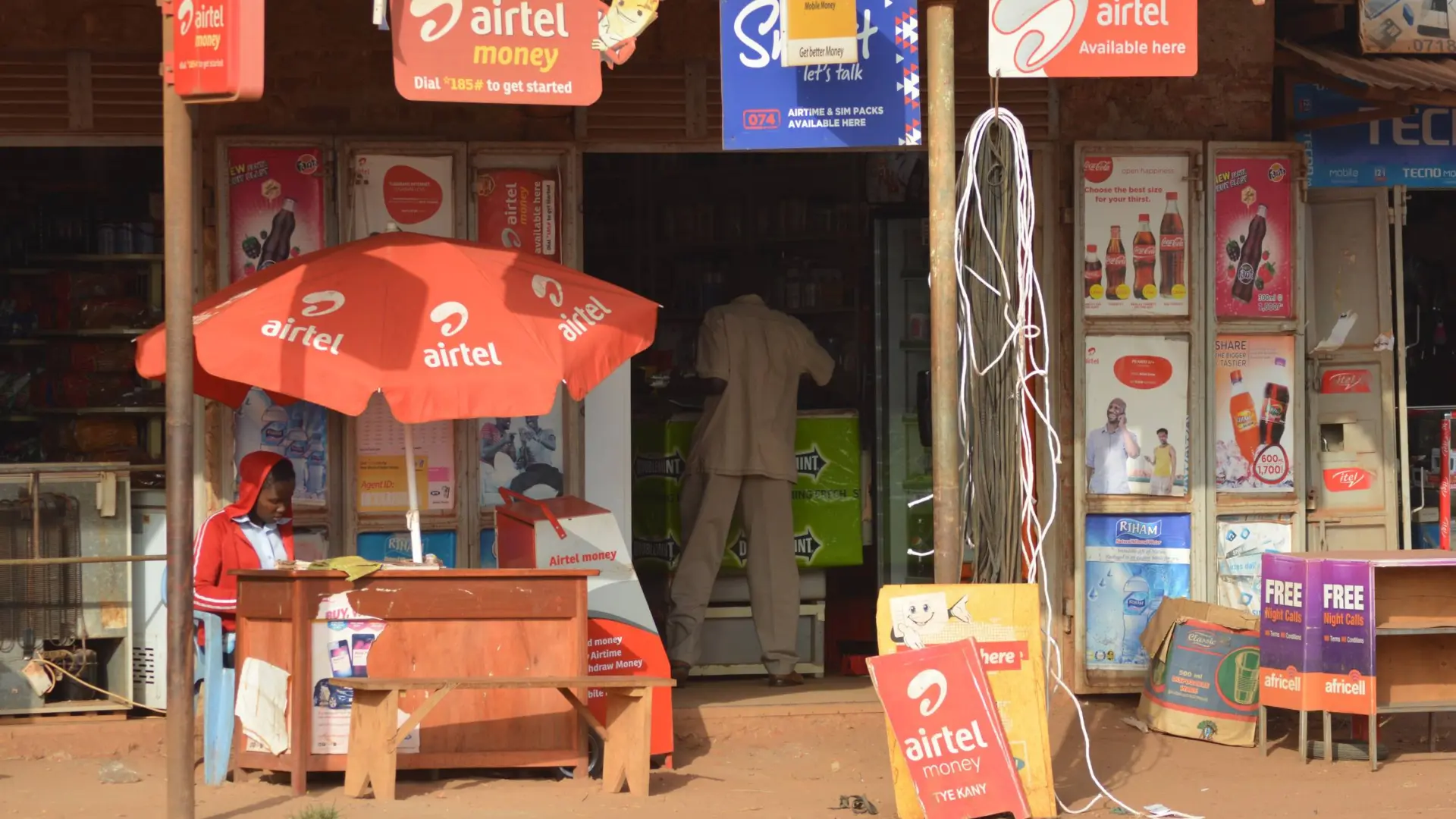
Airtel Africa delayed the planned IPO of its Airtel Money business this week, pushing the anticipated listing into the second half of 2026 even as it reported annual financial results. The company cited unfavourable market conditions and continued external volatility, not the performance of the business. That distinction matters. The delay was set by conditions in global capital markets, which Airtel Africa, like most African firms seeking international listings, cannot determine or meaningfully influence. And whoever funds the next phase of African fintech will shape who owns the continent’s financial infrastructure.
A signal beyond one listing
Mobile money is not a peripheral product inside Africa’s digital economy. It has become one of the continent’s most important engines of financial inclusion, connecting millions of users across banking, payments, remittances and informal commerce, often in markets that traditional banking has not reached. The planned listing had been closely watched as a signal of investor appetite for African fintech and digital infrastructure assets at scale. The postponement sends a different signal: even Africa’s strongest digital growth stories are subject to a capital-market logic they do not author.
Mobile money continues to contribute significantly to Airtel Africa’s group revenue. Yet the business case was not enough to outweigh concerns about market timing, capital costs and investor sentiment. African digital-finance growth is real, but access to favourable listing environments depends on global liquidity cycles, interest rates and external investor confidence that African firms cannot control. Local adoption can remain high even as external financing conditions deteriorate, and the distance between the two can widen quickly in periods of market uncertainty.
A changed investment climate
The episode also reflects the changed environment facing African technology companies after years of fintech optimism. In earlier investment cycles, mobile money and digital-finance businesses were treated as near-automatic growth stories capable of attracting rapid capital at attractive valuations. Investors now appear focused on profitability, risk exposure, regulation and macroeconomic resilience rather than growth narratives alone. The shift is not irrational. But its consequence for African firms is that the cost of international capital has risen just as scaling digital infrastructure requires it most.
IPOs are also confidence indicators, tied to perceptions of market depth, regional stability and long-term growth. When major listings slow, that communicates how international investors are reading the African technology landscape, whether or not that reading captures the operational reality beneath it. Scaling payment and connectivity systems to the next level requires capital at a scale that African markets, for now, cannot easily provide. The result is a sector in which operational success and capital-market access can move apart, and in which the terms of reconnection are set elsewhere.
The ownership question
The question the delay raises is not only how future digital-finance growth will be funded, but on whose terms, at what cost and with what consequences for the ownership and governance of the infrastructure that results.
The ownership question is the one the celebratory fintech narrative has always deferred, and the delay drags it into the open. If the capital that funds the next phase of African digital infrastructure must come from London, New York or the Gulf, then the rails of African financial inclusion will be owned where that capital sits, and the data they generate (who pays whom, when and for what) becomes an asset booked on someone else’s balance sheet. Mobile money has expanded access to financial services. It has not solved the problem of who owns the system that banked its users. A listing postponed for market conditions is a footnote. A continent that scales its most important financial infrastructure entirely on terms set by external capital is a structure, and the structure is the story the postponement quietly tells.



