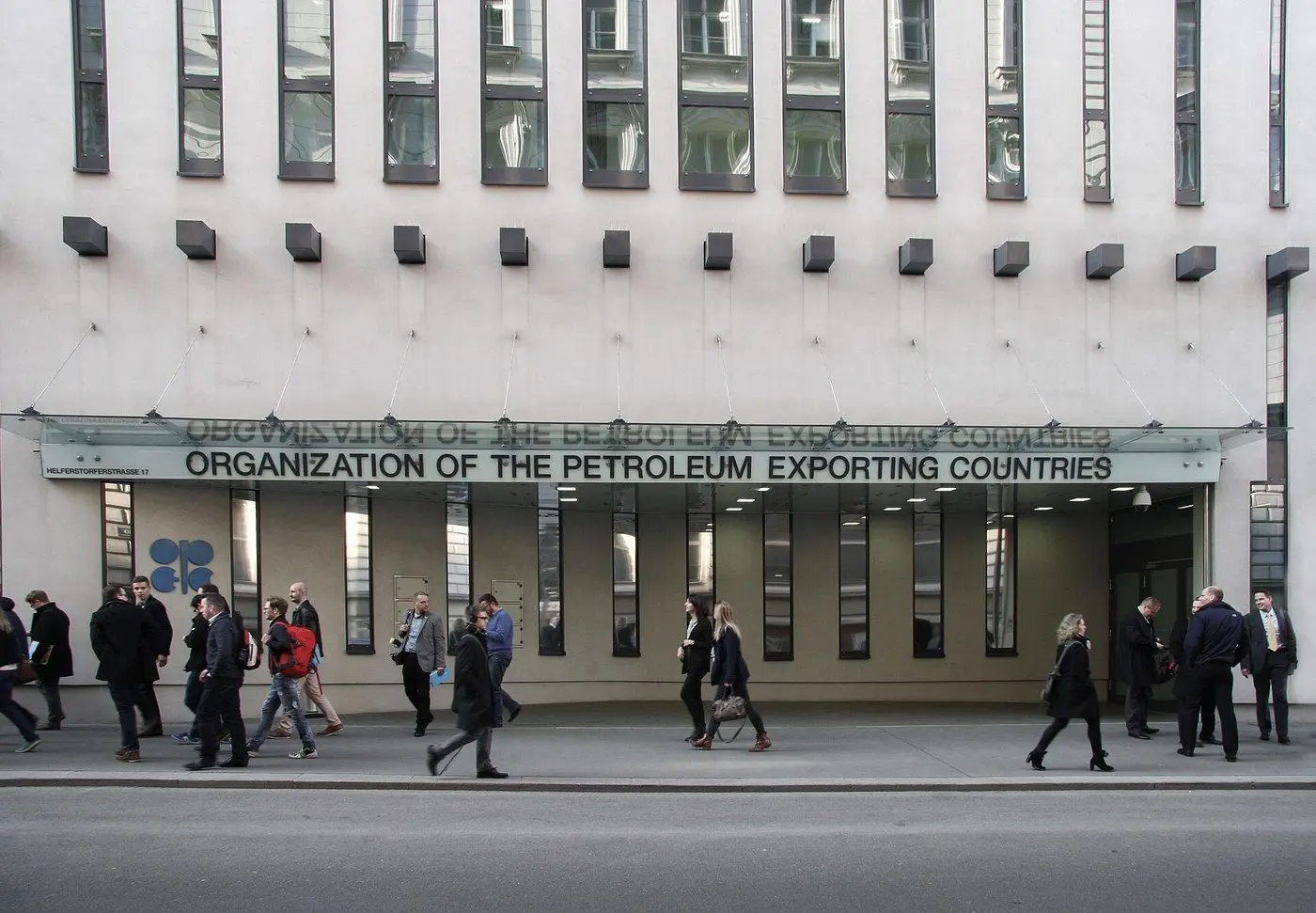
Seven OPEC+ countries agreed on 3 May 2026 to a production adjustment of 188,000 barrels a day from previously announced voluntary cuts. Whether an announced change stabilises markets depends on actual supply, demand, inventories and disruption risks.
Supply disruptions tied to ongoing conflicts continue to constrain global oil flows beyond what incremental output adjustments can quickly offset. Conflicts affecting key transit routes and production zones have introduced volatility that no production committee resolution can easily override. The current strain cannot be assessed through supply alone. It is a structural problem of fragmented infrastructure and disrupted corridors, and production targets alone cannot address it.
For consumers, the transmission is immediate. Elevated oil prices move through transport costs, manufacturing inputs and household spending, compounding already persistent inflation. Higher prices constrain demand while disruptions constrain supply, leaving markets caught between forces that resist simple correction. Governments manage the visible symptoms (subsidy regimes, currency interventions, public communication) while the conditions generating them continue.
For African economies, the transmission operates with a particular asymmetry. Some countries gain through higher export revenues when prices rise. Most, however, encounter the shock not through the headline price of oil but through its downstream effects: higher transport costs, food price inflation, fiscal pressure and currency stress absorbed through subsidies or exchange-rate adjustment. The shock lands less on producers’ balance sheets and more in the daily arithmetic of household survival. The price level that improves the export ledger can destabilise the domestic economy behind it.
That asymmetry reflects a condition that price movements alone cannot resolve. Even resource-rich states often lack the refining capacity, distribution networks and fiscal buffers needed to turn higher export prices into insulation from global volatility. Value is captured at the refining, processing and trading stages, and African presence there remains limited. Being a producer is not the same as holding power over the thing produced. The barrel leaves African soil as a raw input and returns, when it returns at all, as refined product priced in another economy’s margin. Owning the well while renting the refinery is the precise shape of structural dependence, and no production quota negotiated in Vienna can amend it.
The OPEC+ agreement is an attempt to reassure markets that producers remain responsive and coordinated. Whether that intent becomes market stability depends on conditions the agreement itself cannot control.
The energy transition compounds this. As economies move, unevenly and often reluctantly, towards alternative energy sources, investment in traditional oil infrastructure becomes more cautious. Producers must sustain short-term supply while facing uncertain long-term demand. The result is a system that is less flexible, more sensitive to disruption and slower to absorb shocks.
For Africa, the challenge is to move from receiving global energy shocks to shaping its own exposure. That requires investment in refining and processing capacity, in storage and in regional energy diversification, structural work that market participation alone cannot achieve. The producers that emerge from the coming volatility with leverage rather than exposure will be those that used the revenue of the high-price years to buy down their dependence on it. They will have financed the refineries, the storage and the regional grids that convert a windfall into a foundation. The window for that conversion is open while prices are elevated, and it closes the moment they are not.



