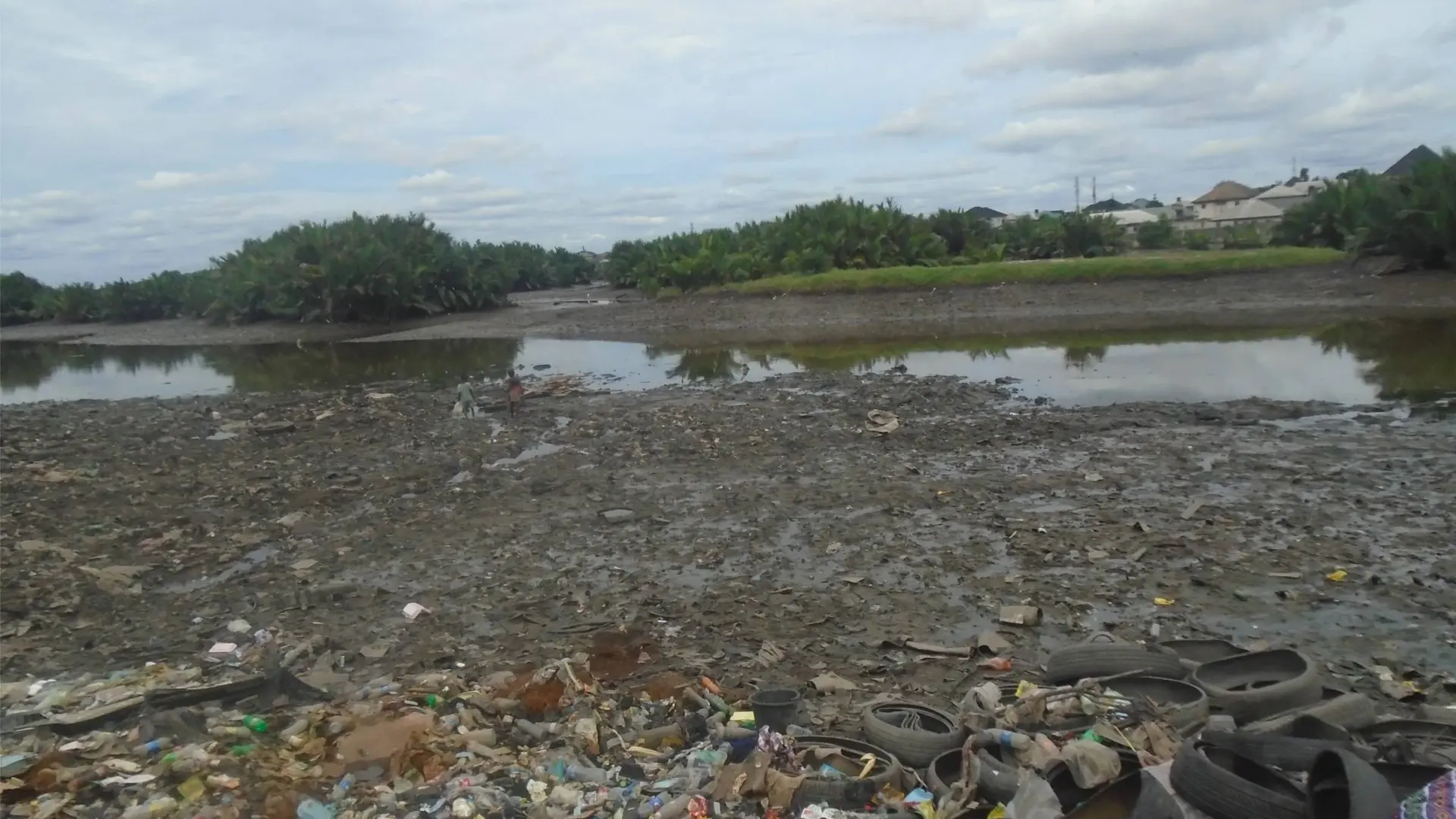
Nigeria extracts oil from its soil and imports refined petroleum products from abroad. It sits atop trillions of dollars in hydrocarbon reserves and runs a public budget that perpetually underdelivers on education, healthcare and infrastructure. Its economy is large, yet poverty remains widespread. These are not paradoxes. They are the predictable outputs of a specific economic architecture, and understanding that architecture is the precondition for changing it.
Oil has long been central to public finances and export receipts, although its share varies by year and measure. Yet the oil sector employs a tiny fraction of the country’s 220 million people. Agriculture, which employs many Nigerians and should be the foundation of national food security, has been underinvested for decades. The result is an economy built around a capital-intensive enclave that generates revenue without generating employment at the scale the population requires.
The revenue without transformation pattern
Nigeria’s oil era, from the 1970s to the present, is one of the most extensively documented cases of the resource curse. The Dutch disease effect, in which oil revenues drove naira appreciation that made non-oil exports uncompetitive, hollowed out the manufacturing and agricultural sectors Nigeria had developed before oil and that would have provided the employment base for an industrialising economy. Oil revenues funded consumption and imports rather than productive investment. The infrastructure deficit in power generation, roads, ports and rail widened even during oil booms because political incentives directed revenues towards patronage rather than public goods.
The reform test
The fuel-subsidy removal announced in May 2023 was the most consequential economic reform in a generation. Its immediate effect on households was brutal. Fuel prices tripled, transport costs surged, food prices followed, and the naira’s subsequent devaluation compounded the impact. The fiscal case for reform did not remove the need to protect households from its costs. The recaptured revenue was meant for the development spending that decades of subsidised consumption had prevented, and where it flows remains partly unanswered.
The Tinubu administration’s wider programme (subsidy removal, naira floating, revenue centralisation reform) is the most ambitious economic policy agenda since the structural adjustment era. Its success depends on whether the gains from subsidy removal and exchange-rate unification become investment in the productive sectors that would reduce Nigeria’s dependence on oil. The early evidence is mixed. Inflation has accelerated and real wages have fallen. The Dangote refinery’s eventual full capacity would reduce import dependence for refined products, a structural improvement of real consequence. But the institutional reforms needed to direct oil revenues efficiently are slower to arrive than the price increases that restructuring imposes on households immediately.
Oil revenue can coexist with widespread poverty when public investment and job creation fail to keep pace with need.
The security-economy feedback
Nigeria’s economic crisis does not operate independently of its security crisis. Insecurity in the food belt (Benue, Nasarawa, Plateau, Zamfara) has reduced agricultural output and driven up food prices in ways monetary policy cannot address. Oil theft in the Niger Delta, which at its peak cut production by several hundred thousand barrels per day, directly reduced the government revenues that fund the security operations meant to suppress it. Banditry and kidnapping in the northwest raise the cost of doing business across the region’s economic corridors. Security spending consumes fiscal resources that infrastructure investment needs.
Breaking the loop requires action at both ends at once: security improvement that creates conditions for agricultural recovery, and economic investment that reduces the grievances that fuel recruitment into armed groups. The current administration’s capacity to hold both together, under fiscal constraint and against a political preference for visible security spending over less visible institutional reform, is the defining test of whether this moment represents structural change or another cycle of deferred transformation.
What Nigeria’s crisis signals for the continent
Nigeria is a test case for whether a petro-state development model can survive the energy transition as oil’s long-term demand becomes uncertain. The window to use oil revenues to build a non-oil foundation is finite and narrowing. Diversification can reduce exposure to falling commodity prices, although outcomes depend on more than the timing of that transition.
Oil wealth coexisting with widespread poverty is not inevitable. It is a policy failure compounded over decades. Reversing it requires economic architecture that directs resource revenues into productive investment rather than consumption subsidy, that builds the non-oil employment base 220 million people need, and that establishes the institutional integrity to manage public resources in the interest of the population rather than the political class. These are not technical ambitions. They are political ones, and Nigeria’s ability to achieve them will shape its trajectory for the generation ahead.



