‘I think you should let me run the country, you run CNN,’ Donald Trump told Jim Acosta during a heated press conference at the White House days ago. He went on to call the reporter “a rude, terrible person”. In the author’s view, no president of the United States had ever attacked a reporter so personally.
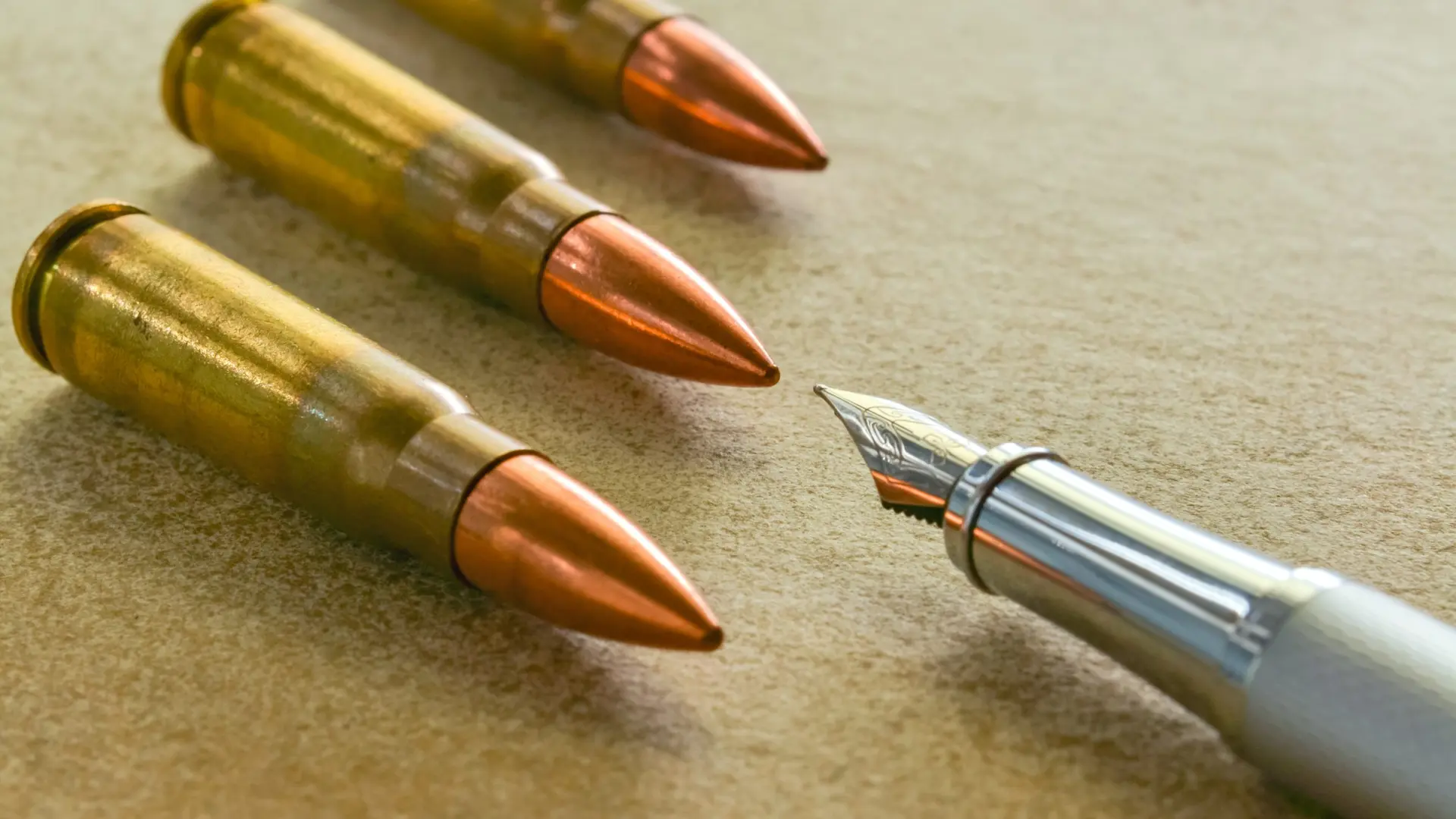
The clash was a live re-enactment of what goes on every day between governments and the press. This opinion piece argues that the two need each other but will always fight over information, that the fight should stay institutional rather than personal, and that in much of Africa it ends with the journalist in jail rather than with an argument in a briefing room.
A long-running feud
Stephen Grover Cleveland, the 22nd and 24th President of the United States, was perhaps the most anti-press president the country has had. In his day, newspapermen did not even have working space in the White House. As the White House Transition Project’s history of the beat records, reporters stood at the gate in all weathers, hoping to buttonhole visitors as they left.
Since Trump became president, it has been one fight after another with the press, CNN in particular. He even tweeted a doctored video of a staged wrestling bout in which he pummels a man whose face is covered with a CNN logo. Yet Trump would also tweet:
“There is nothing that I would want more for our Country than true FREEDOM OF THE PRESS. The fact is that the Press is FREE to write and say anything it wants, but much of what it says is FAKE NEWS, pushing a political agenda or just plain trying to hurt people. HONESTY WINS!”
This face-off has existed for as long as governments and the press have. Sometimes the fights are subtle, cold wars. At other times they turn bloody. Yet the two institutions are inseparable however much they antagonise each other.
Why they fight
The government and the press both serve the public interest, and each wants what the other has. The government holds the information, and the press wants all of it. The press controls how information is processed and shared, and the government wants that control. Put another way, the government has the raw materials but not the factory, and it wants to own the factory.
So while the government wants to dictate the content, pace, quantity and colouring of what the public sees and knows, locking the rest away in a storeroom, the press goes into that storeroom to bring out more. The government would also prefer a press that repeats presidential rhetoric or reports on the surface of the president’s activities. But the press analyses what the government says and does against what the people need, and governments that want to be seen to be right find that a threat. The two sides then produce conflicting facts, and that breeds more rancour.
Mimi Mefo, a Cameroonian television journalist, has just been released from custody over a conflict of facts with the Cameroonian forces after an American missionary was shot dead near Bamenda. The government says a separatist fired the shot, while some media say a soldier shot him. The truth is unlikely to come out when a journalist who reported the second account was to be tried by a military tribunal in a democratic Cameroon.
Journalists put their lives on the line to uncover facts for the people. Governments act as if they have an exclusive right to withhold information from the public. When the press works to open up that information, it steps on toes, and that can be dangerous.
A fight that should stay institutional
Governments cannot gag the media. They struggled when it was just newspapers. Radio came, then television, and now social media with its many outlets, where anyone can be a journalist. That has given both the press and the government another problem, fake news.
The important thing is that this fight should remain strictly institutional. Presidents and journalists are doing their jobs and get in each other’s way. But some leaders take it personally, and that is where it becomes dangerous.
In much of Africa, that is the story. It should not be so when many of these countries, like Cameroon, practise democracy. Few African presidents would trade words with a reporter as Trump did; they would wait for the cameras to go off.
Where democracy is subject to a president’s whims, a journalist who pressed a president as Acosta did would take a great personal risk. Some countries are improving, though. In the 2018 World Press Freedom Index, Ghana (23rd), Namibia (26th), South Africa (28th) and Cabo Verde (29th) made the top 30. By the 2026 index, South Africa (21st) and Namibia (23rd) were still there, while Ghana had dropped to 39th and Cabo Verde to 40th. This kind of understanding needs to grow among Africa’s leaders, so that press and government can fight their war without repression.
If Jim Acosta were an African journalist, a Jones Abiri or a Mimi Mefo, and Trump were a Pierre Nkurunziza or a Muhammadu Buhari, with CNN an SABC or a Channels TV, the author believes Acosta would be in jail by now, with protests in the streets demanding his release. Leaders need to understand that persisting in seeking true information is not a personal affront to the president or his presidency.
Acosta and the microphone
Acosta stood his ground. He did not cower when the president told him to sit down because ‘that’s enough’, and he insisted on asking his question.
Notice the White House’s official reason for suspending Acosta’s pass. Press Secretary Sarah Huckabee Sanders said he had interfered with a White House intern who tried to take the microphone from him, and the White House circulated a video that CNN said was doctored, the record shows. It never cited disrespect towards the president. In the author’s view, that is because the White House knew that Acosta was CNN in that moment, and CNN only wanted information.
The suspension did not last. On 16 November 2018 a federal judge ordered Acosta’s credentials restored, and CNN dropped its lawsuit on 19 November after the White House restored them with new rules on questions.
The people’s right to know
If governments really want to control the media, the answer is simple. They have to be sincere in everything they do, leaving the press nothing to question, investigate or analyse in a way that threatens them. But leaders are politicians and politics is hardly clean, so this war cannot end. Criticism is built into social relationships, and governments will always be criticised.
But the state should stop falling back on the jails, boots and bullets meant for criminals. The people have a right to know.



