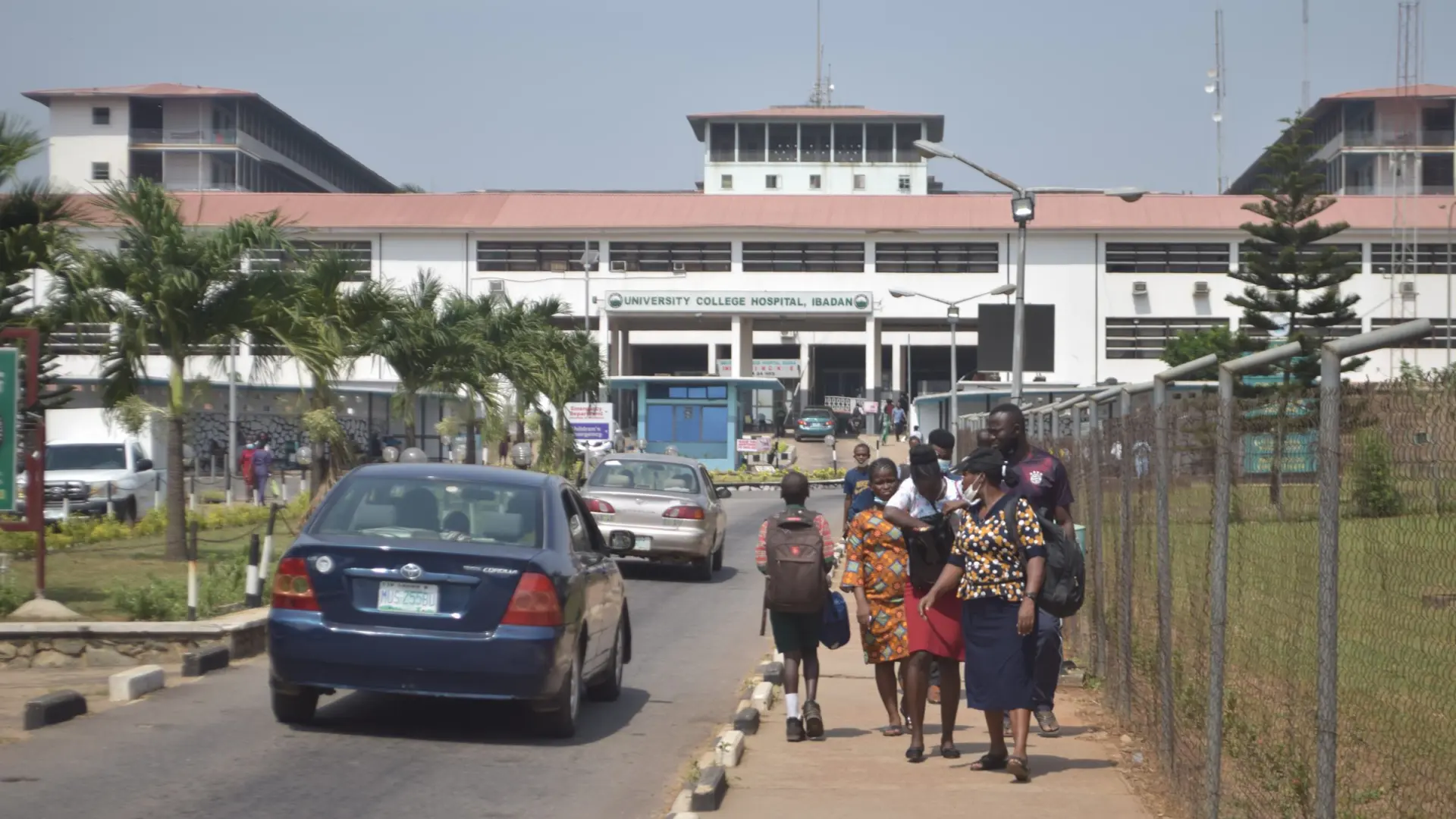
A year before writing this, I sat a foreign scholarship examination in Ibadan with many other young Nigerians. While we waited, I chatted with fellow candidates to ease our nerves. Most of those I spoke to had no intention of coming back to Nigeria to put their foreign training to use.
Their plans are a small picture of a large problem. Nigeria is losing its doctors, engineers and scholars to countries that will put them to work, and the cause is failed leadership: a health system left to decay, inventions left unfunded and scholarship schemes without purpose. Until Nigeria becomes a place where its skilled people can work, it will keep training them for other economies.
The examination hall
Some of us were eager to leave if we passed, while others had mixed feelings. The feeling we all shared was the prospect of freedom and a more tangible hope of a better future.
The choices were Japan, China, Australia, Hungary and others, each for one course of study or another, in the hope that we would come home and develop the economy with what we had learned. Many candidates had other plans. Several said, “I am not coming back to Nigeria o”. Some said they would work their way into an organisation so that they would be retained and become legal migrants when their study permits expired.
It was not always so. Nigeria could once boast of sound education and a sound health care system. Togolese came in large numbers to find work in Nigeria, and so did Ghanaians, before they were made to leave. To this generation, that now sounds like a fairy tale.
The flight of doctors
Brain drain is the loss of a country’s most educated and talented workers to migration. Their expertise builds other economies while their own struggles to develop. In Nigeria the health sector has been hit hardest, as doctors register in Western countries in search of better pay, better tools and a better working environment.
Africa Check looked at doctors registering with the UK’s General Medical Council and found a sharp rise. From 2010 to 2015, it reported, almost 200 Nigerian doctors registered in the UK each year. In 2017, the number jumped to 439. Since July 2017, an average of 12 qualified Nigerian doctors have signed up to work in the UK every week.
The Nigerian Medical Association (NMA) has raised the alarm over the low ratio of doctors to patients. The country has one doctor to 6000 people, far below the one doctor to 600 people often cited as a global standard, although the World Health Organization itself sets no such ratio.
The scale of the loss reflects irresponsible leadership. Doctors leave because the system has decayed. Pay is small and the government still owes health workers even that, job satisfaction is low, and there is not enough protective equipment for health workers facing highly communicable diseases. Few people offered a better-equipped hospital abroad will stay out of patriotism alone.
Talent lost in other sectors
Other sectors are faring no better. Dr Osatohanmwen Osemwengie, from Benin in Edo State, builds drones for the United States Army. The Nigerian government knows the way to the US Army when it needs help fighting insurgency, but not how to keep such talent at home.
Young Nigerians set out to invent things that solve one economic problem or another, yet with no one to invest further, their innovations end as prototypes. An inventor offered support by a government elsewhere has every reason to take it.
Scholarships could help, if they had a purpose. Other countries invest in promising students through scholarships for courses their economies need, and the student goes knowing that what he learns must add value at home. Nigeria has no purposeful scholarship scheme of this kind. The government should send students abroad to learn what will benefit the economy. It should stop being a tour or a show and become business.
The economy is losing its intellect to brain drain while governments think only of the next election. Make Nigeria a home where scholars can practise their arts and sciences, and things will change.
Since 2019
The flight of health workers has since become a matter of international policy. The World Health Organization’s 2023 health workforce support and safeguards list names 55 countries whose health workforces are too thin to be recruited from, and the UK has drawn its own red list from it. Nigeria is on that list, so under England’s code of practice for international recruitment, last updated in March 2025, active recruitment of Nigerian health and care workers is not permitted.



