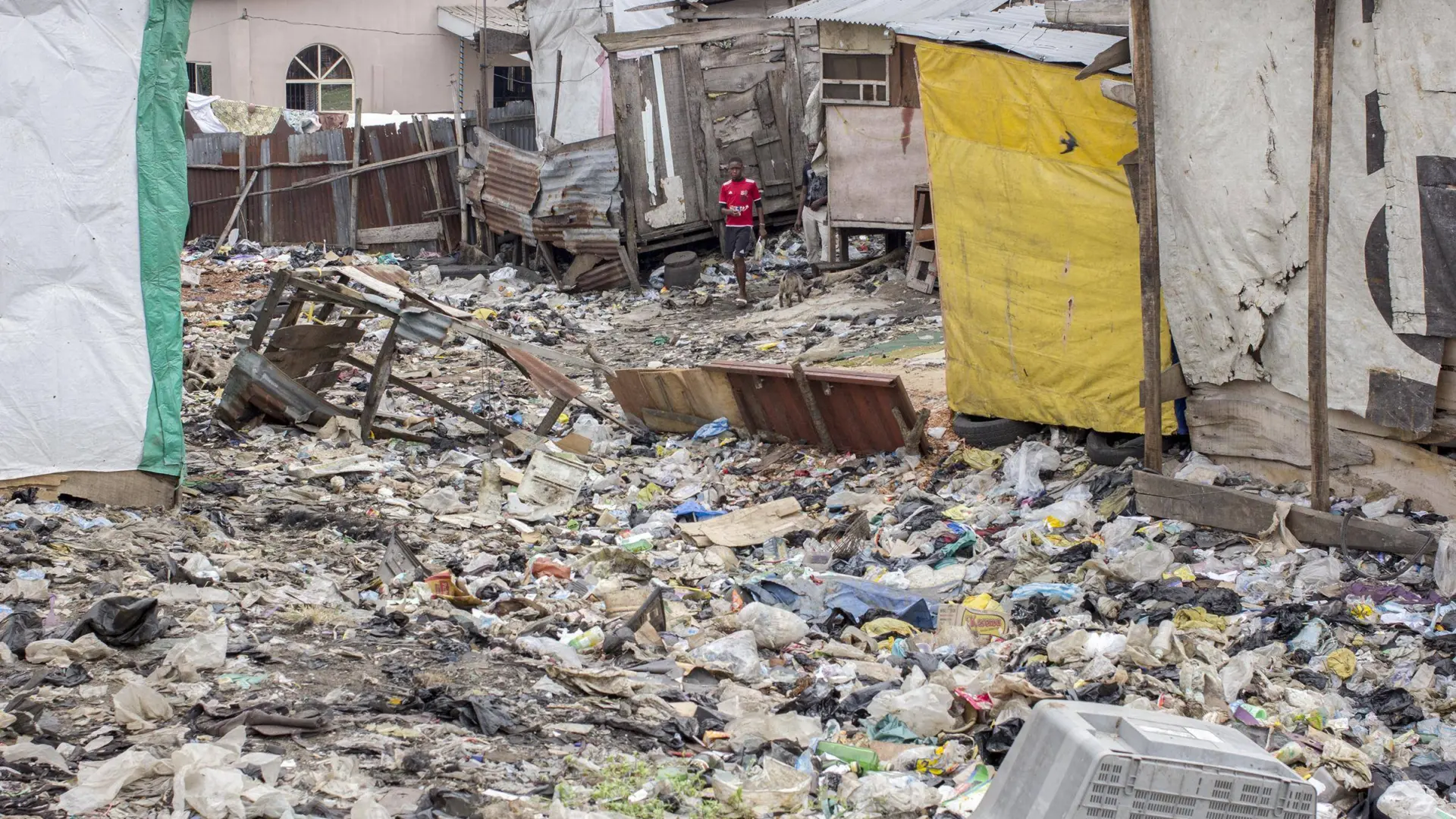
Extreme poverty in Africa is moving against the global trend. The world has cut extreme poverty sharply, yet the World Bank reported in 2018 that the total number of poor people in sub-Saharan Africa had been increasing, and that in 2015 more of the world’s extreme poor lived there than in the rest of the world combined. In my view, two things are keeping it there: conflict and fragile states, and a lack of the industry that creates jobs.
A global problem
Poverty exists all over the world, including in developed economies. In America, 39.7 million people, nearly 40 million, lived below the official US poverty line in 2017, according to the US Census Bureau. Children had the highest poverty rate of any age group, about one in six, or 17.5 per cent. Internationally, the extreme poverty line is an income of US$1.90 a day. According to the World Bank, of the world’s 736 million people in extreme poverty in 2015, 85 per cent lived in South Asia and sub-Saharan Africa.
The United Nations reports that extreme poverty rates have been cut by more than half since 1990. Yet poverty has not been eradicated anywhere, and progress is slowing. The World Bank’s figures put the global extreme poverty rate at 10 per cent in 2015, down from 11 per cent in 2013, which the Bank described as steady but slowing. Asia has taken significant steps in reducing poverty, but sub-Saharan Africa is lagging. The Bank’s Poverty and Shared Prosperity 2018 report warned that “By 2030, under all but the most optimistic scenarios, poverty will remain in double digits in Sub-Saharan Africa”.
Where the poor live
India, Nigeria, the Democratic Republic of Congo, Ethiopia and Bangladesh are the five countries that together hold half of the world’s poor, 368 million of the 736 million counted in 2015, and three of the five are in Africa. World Bank projections for the five countries show that extreme poverty in India and Bangladesh approaches zero by 2030, while in the Democratic Republic of Congo, Nigeria and Ethiopia it remains high.
Conflict and fragile economies
I expect these levels to rise as conflicts grow in different parts of the continent, especially in the Horn of Africa and East Africa, in countries such as South Sudan, Burundi, Somalia and Sudan. In war-torn areas, children are made to take up arms, which deepens the poverty in their lives.
Fragile economies and extreme poverty go together. The African Union and the regional economic blocs should start interventions that bring sustainable peace and economic development, as a way to contain the poverty that is concentrating in the sub-Saharan region. The case for improving stability in African countries for economic development rests on the same link.
Industry and jobs
Poverty has many causes, but the lack of industrialisation is one major issue that must be addressed to create the jobs and products needed to reduce it. When the World Bank released its 2018 figures, it linked sub-Saharan Africa’s slow progress partly to growth concentrated in capital-intensive industries that create less employment, Dawn reported. That is why the case for a path to industrialisation made in Africa matters to the poverty debate.
More than a lack of money
Poverty is a social and economic problem with many faces. I think of a sick person who cannot see a doctor, a child who cannot afford to stay in school, a graduate without a job, a homeless person, a hungry citizen somewhere in the world. What all these cases share is the lack of something essential. A lack of clean drinking water, sanitation and basic amenities all point to human suffering, and the name we give that situation is poverty.
To many, poverty may look like a lack of money, but there is more to its definition, and so to the methods of tackling it, as the argument that poverty cannot be understood through income alone makes clear. In my view, poverty is an injustice to the human race. Governments and leaders have the power to change the situation, but making a difference in people’s lives takes the combined effort of the rich and the poor, the public and private sectors and all social classes. No single cause can be blamed or targeted to end it.



