Nigeria’s 1999 constitutional framework assumed that a competitive opposition would guard democratic accountability. Twenty-five years after the return to civilian rule, that assumption is under serious strain. The opposition is not simply losing elections. It is losing coherence, defecting, fracturing and being absorbed into the governing coalition, and the accountability that competition is meant to supply is weakening with it.
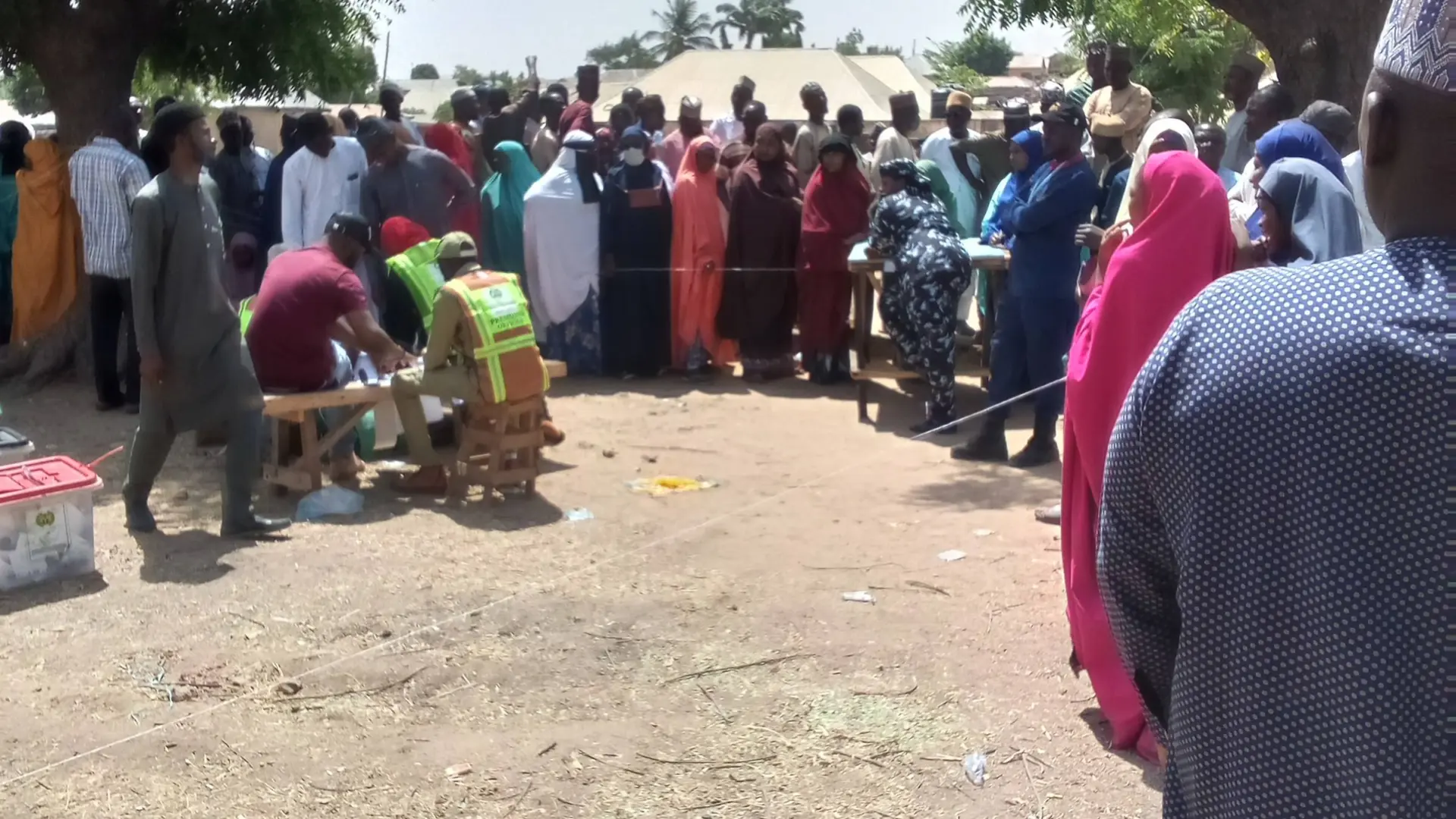
The 2023 general elections illustrated the problem in sharp relief. The Labour Party’s Peter Obi, running on a reformist platform with strong urban and youth support, and the Peoples Democratic Party’s Atiku Abubakar both mounted credible campaigns against the All Progressives Congress’s Bola Tinubu. The combined opposition vote exceeded the APC’s tally in the official result. The results were contested in court, with outcomes that reaffirmed Tinubu’s victory without fully resolving public confidence in the process. A familiar pattern followed. Senior opposition figures began defecting to the APC, opposition-held governorships came under judicial pressure, and the capacity of the major opposition formations to sustain a unified position eroded.
Incentives to defect
The defection cycle in Nigerian politics is not new. Nigeria’s financial architecture gives legislators and governors incentives to align with the federal government. These include access to federal allocations, security agency relationships, and the practical reality that political careers in states with limited internally generated revenue depend substantially on federal patronage. An opposition politician who defects trades ideological positioning for material security. Where defection carries few consequences for the defector, the calculation favours movement towards power.
The Labour Party’s divisions
The Labour Party’s experience since 2023 illustrates the fragility of new political formations under these conditions. Having mobilised an unprecedented level of enthusiasm among young, urban and diaspora-connected Nigerians, the party moved from near-irrelevance to national contender in a single electoral cycle. Its inability to convert that momentum into stable institutional infrastructure (party structures, financing mechanisms, legislative coordination) left it vulnerable to the elite capture and internal fracturing that have historically weakened Nigerian opposition movements. By late 2024, the internal divisions within the Labour Party had become severe enough to generate competing claims to the party leadership, precisely when sustained opposition pressure on the government was most needed.
Why opposition matters
A credible opposition matters not primarily because it wins elections, but because its existence changes what governments calculate they can do. When ruling parties face credible opposition, they must govern for a broader constituency. They must account for public funds, maintain service delivery and avoid the most brazen forms of institutional manipulation, because failure on any of these creates an opening for challengers. When the opposition weakens, that accountability mechanism weakens with it. The 2023 decision to float the naira (an economic adjustment that sharply reduced purchasing power and real incomes) was implemented without the kind of negotiated compensation package that a stronger legislative opposition might have extracted. The hardship that followed fell disproportionately on Nigerians who had no effective political voice amplifying their interests.
Civil society and the press have partially filled the vacuum, but they cannot perform the accountability function that a legislative opposition uniquely provides. Civil society organisations can document abuses and mobilise public opinion. They cannot vote down a budget, refuse to confirm an appointment, or compel an executive to the table through the threat of electoral defeat. Those formal mechanisms of democratic accountability require institutional actors with democratic standing on the opposition benches.
State-level competition provides another potential check on federal dominance. Its effectiveness varies with local party organisation, fiscal resources and the independence of electoral and oversight institutions.
Nigeria’s democracy is not dying, but it shows the signs of a system under stress: declining electoral credibility, a weakened institutional opposition and an erosion of the checks that competitive politics is supposed to generate. Recovery requires opposition forces capable of sustaining coherence under pressure, civil society organisations able to maintain independence from both government and international donor agendas, and citizens prepared to defend the electoral process as a site of genuine contestation. It depends on organisations and rules that sustain competition between elections as well as during them.



