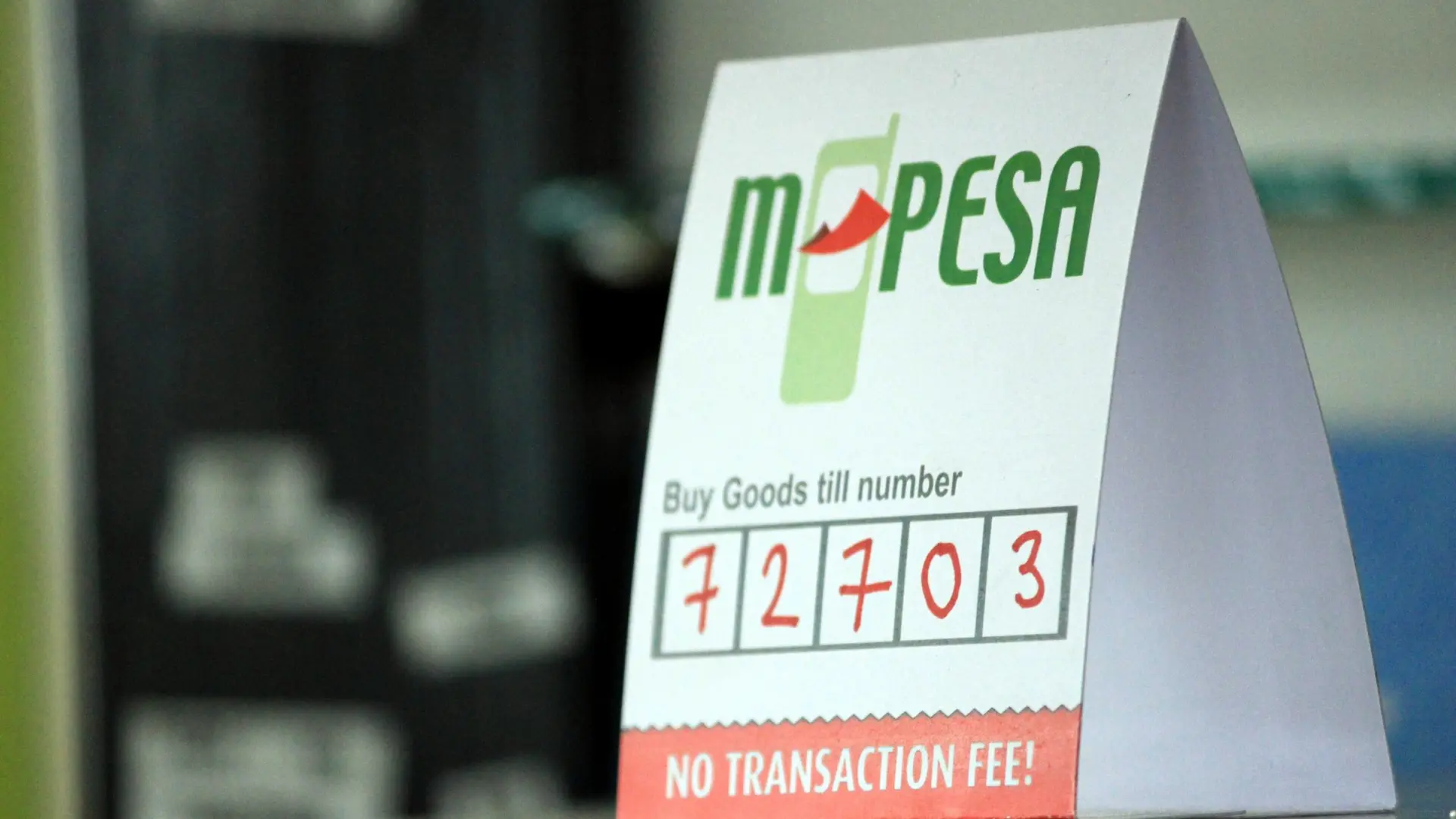
Borrowing through a phone can make credit available at the moment someone needs it. It can also make a repayment obligation easy to accept before the borrower has understood its cost or considered how it will be met.
Kenya’s expansion of mobile money has created the channels for that growth. Banks and other providers can reach customers without requiring a visit to a branch. Different products, however, involve different providers, terms and regulatory arrangements.
An overdraft used to complete a payment is not identical to an instalment loan or an app-based advance. Public discussion needs to distinguish them before comparing charges, uptake or repayment performance.
Convenience can coexist with debt stress
Digital credit can help manage working capital and household expenses. The same short repayment period that makes a product simple to administer may be difficult for someone whose income is irregular.
FSD Kenya’s 2018 demand-side research identified concerns about pricing, marketing and the negative reporting of people unable to repay relatively small loans. Its findings show why access and financial well-being need to be considered together.
Repeated borrowing can add pressure where one obligation is met through another loan. That pattern should be examined through evidence about the borrower’s circumstances rather than assumed to describe every digital-credit user.
Claims that most young borrowers use loans for gambling or other harmful activity also require evidence. Borrowing for consumption, business needs and emergencies should not be collapsed into a single account of irresponsible behaviour.
A credit record is not a universal ban
Credit-reference information helps lenders assess applications, but a negative record should not be described as automatically preventing a person from obtaining every possible form of credit. Decisions depend on the provider, the information held and the applicable rules.
Customers need to know what is reported, whether the information is accurate and how to challenge an error. Clear notices and accessible correction procedures matter where a small disputed balance may affect later access to finance.
Repayment and the correction of an inaccurate record are also different issues. A person disputing identity theft should not be treated as though the only possible remedy is to pay a debt they deny taking.
Price comparisons need the full cost
A monthly charge cannot be compared directly with an annual interest rate without explaining the calculation. Fees, loan duration and repeated borrowing can substantially change the cost to the customer.
The lending-rate cap applying to Kenyan banks should not be assumed to govern every mobile product in exactly the same way. Some digital services involve regulated banks, while others have different structures. The provider and legal basis of the product must be identified.
Disclosure should make the amount due, repayment date and consequences of non-payment clear. A rapid application is of limited benefit if essential information appears only after the commitment has been made.
Responsibility extends beyond approval
Lenders need appropriate checks on identity and affordability, fair treatment in collection and a practical way to resolve complaints. A credit score can inform a decision without becoming a complete account of a person’s circumstances.
Borrowers also benefit from being able to see their total obligations across products. Clear information can help expose the difference between an affordable short-term advance and a cycle of increasingly difficult repayments.
Kenya’s digital-finance innovation has widened access. Its next test is whether the systems surrounding that access protect the people using it, including when a transaction goes wrong or income does not arrive as expected.