Donald Trump’s second presidency is shaping international politics in 2026. What began as a disruption of Middle East diplomacy has matured into a wider international posture that privileges spectacle over structure, bilateral deals over institutions, and coercion over consensus. The world Trump helped shape is not simply multipolar. It is brittle.
From the Gulf to Greenland and from Ottawa to Caracas, the aftershocks of transactional statecraft are now visible far beyond their original theatres. For Africa and the Global South, these developments matter not as distant curiosities but as signals of how power now behaves when rules are treated as optional.
Trump did not invent unilateralism, but he normalised it as performance. By 2026 that approach was reshaping how Washington signals intent to allies and adversaries alike. The emphasis is no longer on predictability but on pressure, not on shared norms but on visible dominance.
The Board of Peace and the politics of symbolism
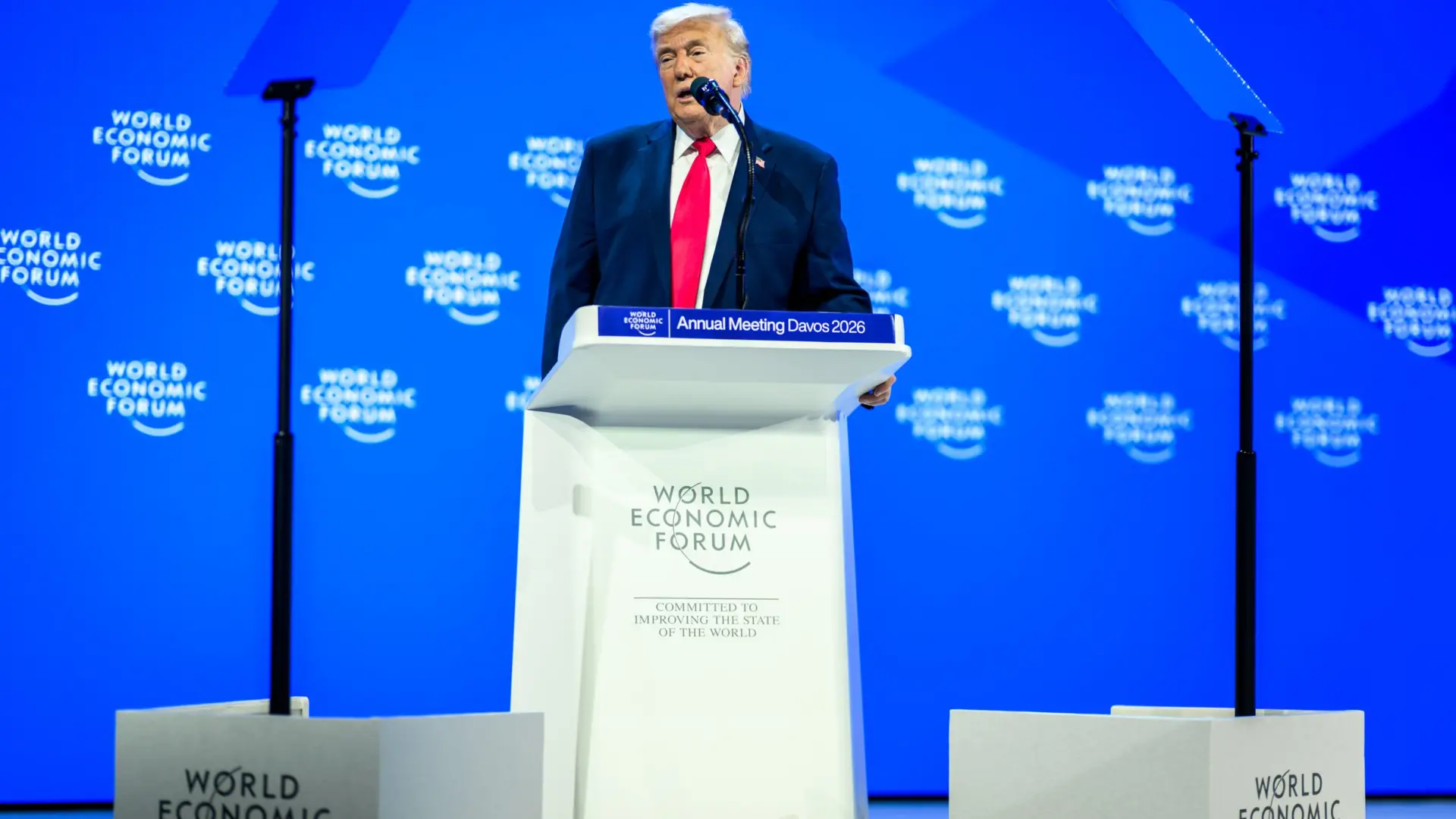
In January 2026, at the World Economic Forum in Davos, President Trump announced the Board of Peace, a new US-led international organisation presented as an alternative mechanism for conflict mediation and global stability. Its framing was deliberate. Where multilateral institutions emphasise collective process, the Board of Peace foregrounds executive authority, rapid intervention and selective engagement. It recasts global governance around American discretion, bypassing the United Nations and other consensus-driven bodies that dilute unilateral power. When peace becomes proprietary, it is rarely evenly distributed. For African states long accustomed to navigating externally imposed frameworks, this logic is depressingly familiar.
The Abraham Accords remain the most visible artefact of Trump-era Middle East policy. Their economic and diplomatic openings were real, but so too was the strategic omission at their core. Palestinian political agency was deferred, not resolved. By 2026 the cost of that deferral is plain. Renewed cycles of violence in Gaza strain normalisation agreements, Arab public sentiment has hardened, and governments that embraced normalisation manage growing domestic unease. Transactional diplomacy delivered moments of alignment but hollowed out the institutions required to sustain them.
When peace becomes proprietary, it is rarely evenly distributed. For African states long accustomed to navigating externally imposed frameworks, this logic is depressingly familiar.
Expanding the theatre of power
What distinguishes 2026 from earlier years is not intensity but reach. Greenland has re-emerged as a site of strategic fixation, framed through security and resource competition rather than indigenous sovereignty. Canada has faced unusually public pressure over trade and defence spending. Washington’s posture oscillates between assertiveness and withdrawal, leaving partners uncertain and adversaries opportunistic.
For African policymakers, this volatility complicates strategic planning. A world governed by deals rather than rules rewards agility but punishes dependency. If sovereignty becomes conditional and leadership security negotiable, smaller states absorb the lesson quickly. Africa has lived this reality before. The return of such logic to the global mainstream signals not strength but regression.
Africa’s position in a less anchored world
For Africa, this moment carries both risk and opportunity. The decline of predictable hegemonic behaviour opens space for strategic autonomy, diversified partnerships and narrative reassertion. The question is not who leads the global order, but how power is restrained. The lesson of the past decade is not that multilateralism was perfect, but that its absence is costly. Africa’s capacity to use the current fragmentation without being consumed by it depends on building the institutional coherence that transactional power deliberately erodes. That is not an abstract ambition. It is a strategic requirement for African institutions.



