Benin City, the capital of Edo State, has become notorious as a recruiting ground for sex traffickers. The trade is sustained by poverty, by family pressure, by juju oaths that bind women to their traffickers and by a web of people who profit from it. This piece argues that only education, jobs, proper care for victims and a global police response will break it.
The scale of the trade is stark. Of the 11,000 or so Nigerian women who arrived in Italy in 2016, 80% were possible victims of trafficking for sexual exploitation, according to the International Organization for Migration, as Al Jazeera reported. Benin City and Edo State lie at the heart of that traffic.
It is a hard fate for a city with one of the richest histories in Nigeria. Edo, known as the “Heartbeat of the Nation”, is a state deeply rooted in culture. Benin City is the seat of the Oba of Benin, one of the most revered traditional rulers in Nigeria, and it was a centre of civilisation long before the territory was mapped as Nigeria. Benin’s bronzes, iron figures, carved ivory and brass works are famous around the world.
How women are recruited
Victims are recruited by relatives or friends. Many are lured by false stories of money to be made braiding hair or working as maids or nannies. The stories are false, but they can sound reasonable to young women anxious to ease their families’ hardship. Not everyone is tricked, though. Some women approach the recruiters themselves, knowing that they will work as prostitutes in Europe, and some parents approach recruiters on their daughters’ behalf.
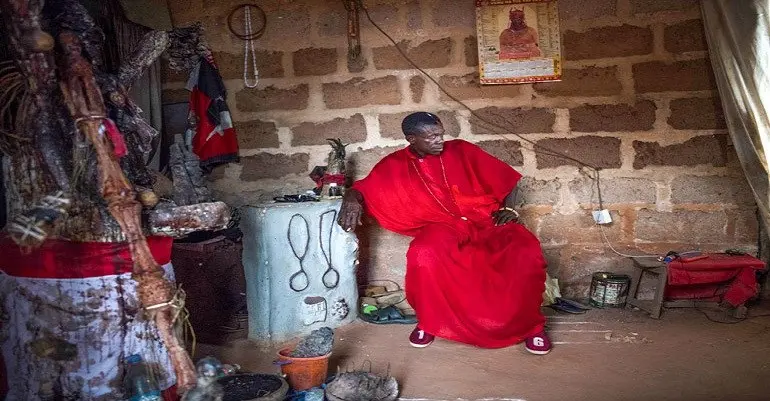
The women are then made to swear an oath of loyalty to their madam in a ritual known as “juju”. The oath binds them to secrecy and submission. Once it is done, the victim believes the madam owns her soul.
On arrival, many discover that the dream of a better life was an illusion. Most find themselves trapped in forced prostitution and debt bondage: their documents confiscated, long hours on the street every day, a minimum number of clients a day, physical abuse and threats.
Family pressure and the dream of abroad
Some parents see a daughter abroad as a mark of status, and some take out loans or sell property to send their children overseas. Behind this lie poverty and a belief, drilled in by society, that you can only make it abroad. Young people in search of “Greener Pasture” will go to great lengths to “blow”, and some see sex work abroad as the only way to break the “jinx” of poverty in their family.
The answer starts with proper education for parents and young people, especially in rural areas, about what awaits women abroad, and with more jobs for young people so that they stop looking for options abroad. Parents who send underage children abroad should also face criminal charges.
Victims, not criminals
Many women refuse to come home. Some fear reprisal from their madam because of the oath, some are intimidated and some are held back by shame. Some believe that prostitution abroad, earning foreign currency, is better than suffering in Nigeria. Those who do return are often abandoned by the government and stigmatised by society.
To encourage victims to come home, the government agencies set up to tackle trafficking should follow up on them and make sure they have the mental support and the skills to earn a living. They should be treated not as criminals but as victims of circumstance.
The business around the trade
Despite the war recently declared on sex trafficking, the trafficking of young women for forced prostitution continues to thrive, because many small enterprises feed off it. They include traditional witch doctors, forgers, fake or dishonest lawyers who act as go-betweens for the trafficked woman and her boss, false prophets who pray for the victims, corrupt customs and immigration officers, and corrupt embassy officials who help with visas.
The fight received a boost in March 2018 from the Oba of Benin, Oba Ewuare II. He performed a ritual that placed a curse on traffickers and those who aid them in Edo State, and lifted the curses laid on victims through juju oaths, as the Forced Migration Review and the New York Times reported. According to the Forced Migration Review, the ritual reportedly gave some women the strength to flee their traffickers.
Edo State is used here as a case study, but the network reaches far beyond it. As in the drug trade, the cartels that send young women overseas to work in the sex trade have largely stayed faceless. The madams and recruiters are the direct contacts, while the main traffickers work behind the scenes.
That is why taking women off the streets and arresting their madams has not ended the trade. It is a Nigerian problem that can only be tackled globally, and tackling it effectively needs a global police response.



